Royal Tour and Reparations Demands Collide in the Caribbean
King Charles III landed in the Caribbean carrying significantly more diplomatic baggage than a standard royal itinerary usually demands, sparking intense regional debates over historical justice and the constitutional future of the Commonwealth. The monarch touched down in the Bahamas on October 27, 2026, marking the start of a nine-day regional tour that also includes stops in Guyana and in Antigua and Barbuda for the annual Commonwealth Heads of Government Meeting (CHOGM).
As Caribbean nations united under mounting campaigns for financial and structural restitution, Buckingham Palace drew a firm line regarding executive authority. Ahead of the tour, palace officials stated that decisions on apologies and compensation fall to the British government rather than the monarch, signaling that any formal apology or decisions regarding financial reparations fall squarely to the British government rather than the Crown.
King Charles faces a constitutional tightrope: acknowledge the legacy of slavery without making an apology only his government can issue. In the Caribbean, every word carries political weight. #Commonwealth #Caribbean pic.twitter.com/s1wG9XhIMq
That constitutional boundary has done little to quell the urgency among regional leaders. The visit unfolds against a backdrop of escalating legal and political friction, highlighted by Jamaica’s formal petition to the Privy Council seeking a legal determination on Britain’s historical slave-trading obligations—a petition the King referred on September 22, setting a preliminary hearing for March 2027.
The Divergence Between Crown and Government
The core tension of the royal visit exposes a widening chasm between what Caribbean heads of state demand and what the British establishment is willing to concede. Charles arrived in Guyana on October 29, 2026, at the invitation of President Mohamed Irfaan Ali, entering a political climate where leaders are pressing for concrete forms of redress, including debt relief, development financing, and targeted investments in healthcare and education.
I have long argued that whatever reparations are offered by Britain, no credible figure is payable and no payable figure is credible. But moral atonement for the ravages of colonialism is indispensable. I am glad to learn that Prime Minister Burnham is prepared to offer a formal…
Financial estimates attached to these historical grievances run into trillions. Barbados Prime Minister Mia Mottley previously stated that her nation was owed $4.9 trillion by countries involved in the transatlantic slave trade, while Jamaica’s ongoing campaign has pursued claims totaling roughly $10 billion. African nations have amplified these calls. During an October visit to London, Ghanaian President John Dramani Mahama renewed appeals for apologies, compensation, and the return of cultural artifacts, building on a United Nations resolution secured in March 2026 with support from 123 countries.
Despite these sweeping multi-nation demands, Buckingham Palace maintains that the monarch cannot unilaterally issue apologies or commit taxpayer funds. While Charles has previously acknowledged the slave trade as representing some of “the darkest days of our past,” the Palace insists that such historical accountability belongs to elected government ministers.
Geopolitical Stakes for the Commonwealth
The friction over slavery reparations directly fuels wider constitutional reckonings across the Commonwealth countries subject to the British Crown. Since Charles’ accession in 2022, nations including Jamaica, the Bahamas, and Antigua and Barbuda have actively reviewed whether to follow Barbados’s 2021 transition to a republic and remove the British monarch as head of state.
Andy Burnham addressed the looming debates ahead of the CHOGM summit, arguing that while modern British citizens cannot be held personally liable for historical wrongs enacted under different laws centuries ago, the nation must openly confront its complicated past. Burnham emphasized that avoiding these difficult conversations damages the functional integrity of the Commonwealth.
As Chair of Labour Friends of the Commonwealth, I welcome the Prime Minister’s commitment to renewing our Commonwealth partnerships.Facing Britain’s role in the transatlantic slave trade honestly, is an important part of that and action on debt! 👇🏽 https://t.co/jgNlPMLJOO
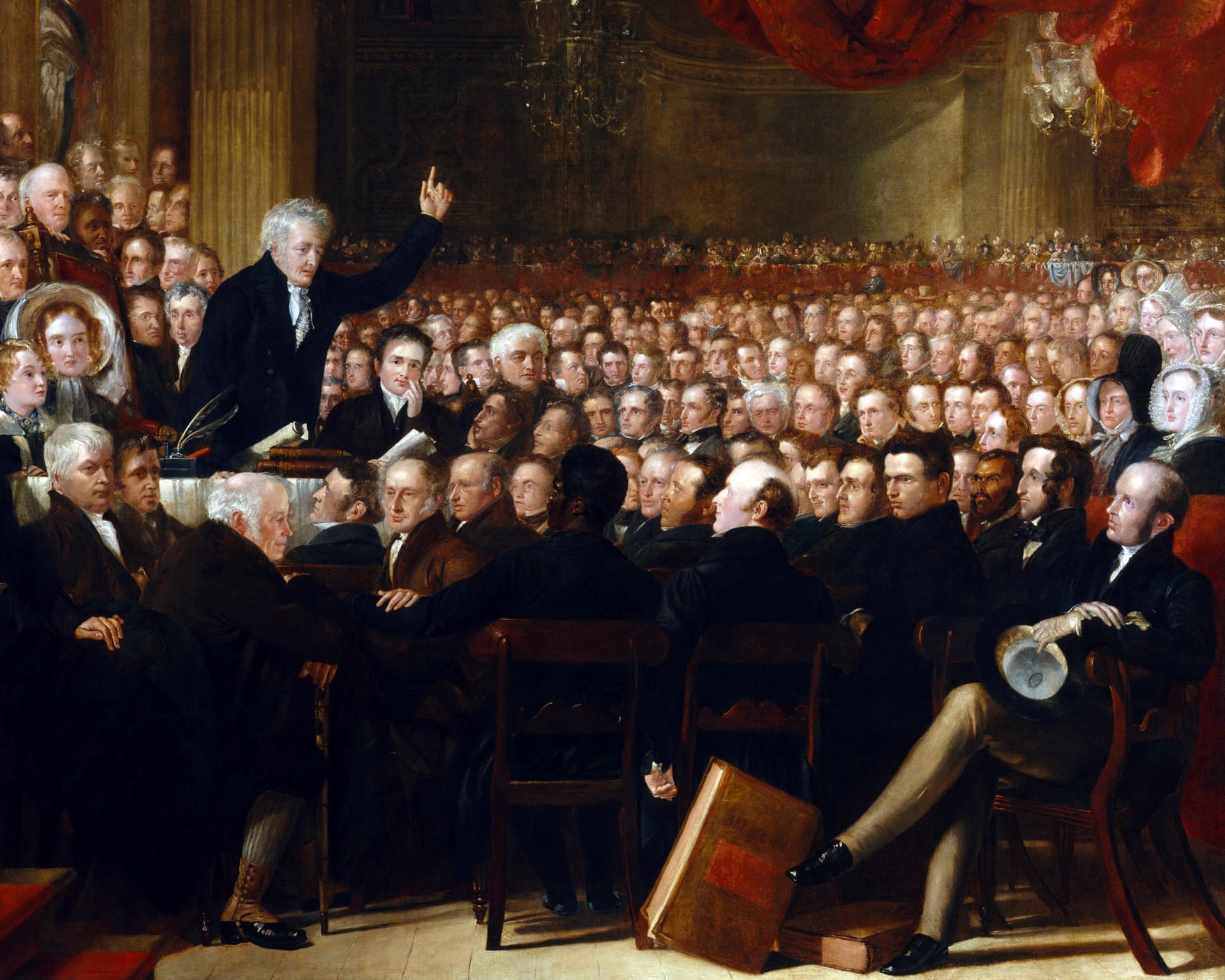
The debate also highlights stark historical inequities that continue to shape modern economic disparities. When Britain abolished slavery in 1834, the state compensated enslavers $26.6 million—equivalent to roughly $4.5 billion today—for the loss of human property. Meanwhile, the millions of enslaved Africans who endured generations of forced labor, brutality, and family separation received no restitution.
What Lies Ahead for the Monarchy
As King Charles handles high-stakes discussions with regional leaders in Guyana and in Antigua and Barbuda, the lasting legacy of his nine-day tour depends on whether his presence can bridge the gap between superficial acknowledgment and substantive reconciliation. With the Privy Council’s preliminary hearing on Jamaica’s reparations petition formally scheduled for March 2027, the British Crown and government face an accelerating timetable. For observers and international markets alike, the unfolding diplomatic standoff serves as a high-profile test case for how modern global powers address colonial legacies, sovereign debt burdens, and demands for institutional accountability in the 21st century.
A welcome step from the PM. The Transatlantic Slave Trade was one of history’s most heinous crimes. We must be honest about how the horrors of our past have shaped the present – because only then can we begin to build a fairer future for everyone.https://t.co/AzG1dsy5gz
More on King Charles
The Commonwealth is vital to promoting Britain's values and interests in an increasingly unstable world.Having the bravery to have honest conversations about our history is the right thing to do and vital for making it an alliance for the future. Read the PM’s op-ed on the…
Conclusion: During his visit to the Caribbean and attendance at the Commonwealth Heads of Government Meeting (CHOGM), King Charles III will acknowledge the "darkest days" of slavery and colonial rule. However, Buckingham Palace has made it clear that matters concerning apologies… https://t.co/3xlv8mhW3b
As King Charles heads to the Caribbean, the Palace says the King will not apologise for slavery, but campaigners hope his visit can push the reparations debate forward.Sky's @laurabundock explains pic.twitter.com/TBa6WHittU
BREAKING: King Charles faces rising pressure as Caribbean nations demand reparations for Britain’s role in the slave trade.During his current tour of the Bahamas, Guyana, and Antigua and Barbuda, the King has acknowledged the suffering and injustices of the past. Caribbean… pic.twitter.com/ERxu7mcMOJ