Prabowo’s First Two Years Draw Nearly Rp2 Quadrillion in Domestic Investment
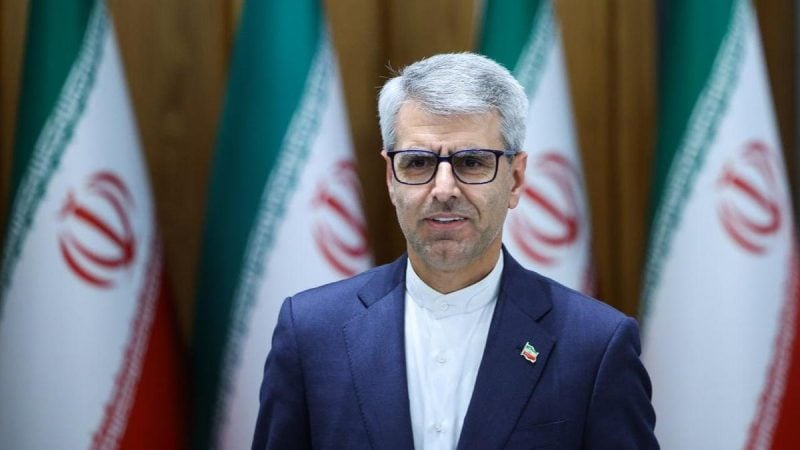
Domestic investment reached nearly Rp2 quadrillion during the first two years of President Prabowo Subianto’s administration, according to figures presented by Indonesian Chamber of Commerce and Industry (Kadin) Chairman Anindya Bakrie. The announcement was made on Saturday, October 31, 2026, during a briefing hosted by President Prabowo at his private residence in Hambalang, Bogor, West Java. The gathering brought together approximately 650 attendees, including participants from the first batch of the President’s Program for Future Indonesian Leaders (P3MDI) for the 2026 fiscal year alongside Kadin delegates.
This nearly Rp2 quadrillion milestone marks a dramatic escalation in local capital mobilization when set against historical data from the previous administration. During Joko Widodo’s first two years in office—spanning October 2014 to September 2016—domestic investment, known as domestic investment (PMDN), totaled approximately Rp379.4 trillion according to figures from the Investment Coordinating Board (BKPM). That earlier total comprised Rp41.7 trillion in the final quarter of 2014, Rp179.5 trillion across 2015, and Rp158.2 trillion through the first nine months of 2016. The current administration’s figure thus represents approximately 5.3 times the domestic investment recorded during the equivalent timeframe under Jokowi.
Indonesia Records Trillions in Realized Direct Investment
To understand the mechanical scale of Indonesia’s incoming capital, a broader perspective on the national balance sheet is necessary. Cumulative realized direct investment across late 2024 through the third quarter of 2026 reached Rp 3,923.2 trillion ($247 billion), with investment execution from January through September 2026 hitting Rp 1,539.2 trillion. Speaking to delegates, Minister of Investment and Downstreaming and CEO of Danantara Indonesia Rosan Roeslani emphasized that these figures reflect actual physical capital deployed into productive facilities rather than preliminary memoranda of understanding.
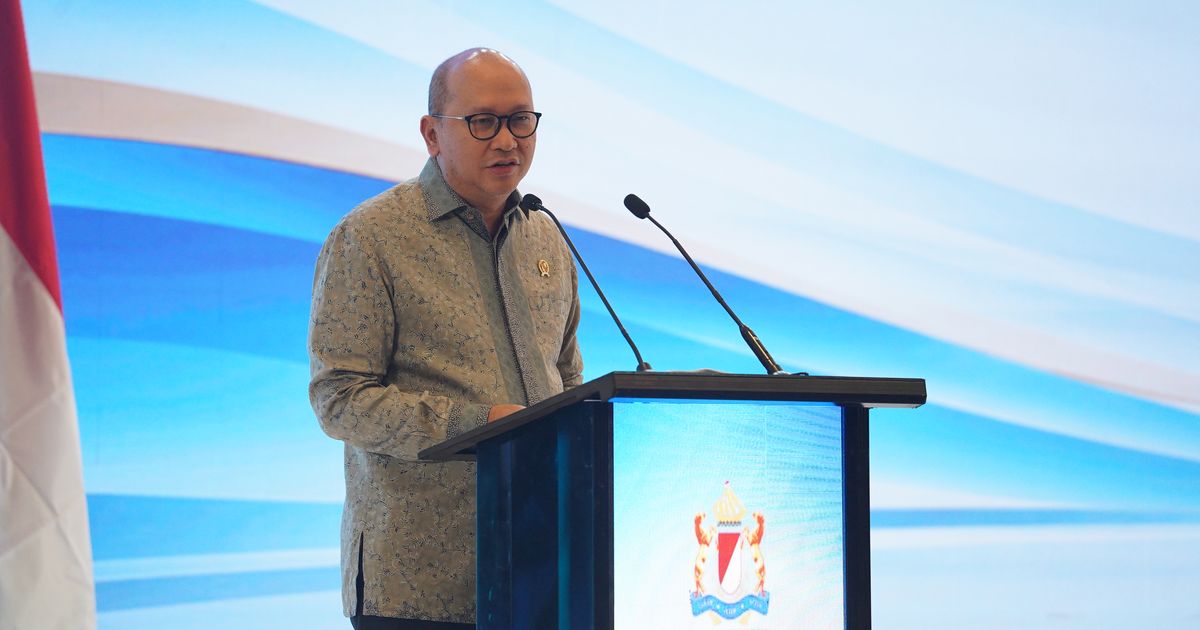
“When we invest and construct a factory or a smelter, it remains in place. It is not an engagement for one, two, or five years,” Rosan said, stressing the need for institutional predictability and measurable outlays.
Anindya Bakrie anchored his remarks in the structural composition of the nation’s gross domestic product, noting that approximately Rp 4 quadrillion of Indonesia’s Rp 25 quadrillion GDP stems from the state budget. This leaves roughly 85% of economic activity occurring outside direct government expenditure, creating significant runway for private enterprises, including medium-sized regional businesses, to scale up.
Downstream Processing Drives Capital into Regional Areas
The strategic push behind this capital centers heavily on downstream industrial processing and emerging technology sectors. Downstream processing expanded to account for roughly 31% of total realized capital in 2026, with 78% of that concentration occurring outside the main island of Java. Kadin has urged domestic businesses to move beyond established sectors and anchor themselves in future industries.
- Electric vehicles (EVs)
- Renewable energy
- Data centres
These emerging fields carry substantial local component requirements, a design meant to pull regional suppliers and medium-sized enterprises deeper into domestic value chains. Sovereign asset manager Danantara Indonesia is deploying partnership mandates that require international technology providers to link directly with domestic companies and integrate local micro, small, and medium enterprises (MSMEs) into major project pipelines.

Resilience Amid Global Volatility
Proponents of the current economic trajectory point to these domestic anchors as a vital buffer against external shocks. Anindya highlighted that Indonesia’s economic fundamentals have weathered five distinct global economic shocks over the past 25 years, reinforcing a baseline stability that earned the country recognition as a regional bright spot from the International Monetary Fund.
However, questions remain regarding the precise accounting methodologies behind the private sector’s reported domestic investment metrics. While the Ministry of Investment logs realization based strictly on verified on-site expenditures, broader figures presented at political and industry briefings often combine varied tracking mechanisms across regional chambers and federal boards. As Danantara and the Ministry of Investment push to convert incoming capital into permanent industrial capacity and formal employment, the long-term test will be whether these capital commitments translate into sustainable, independent supply chains resilient enough to bypass future macroeconomic turbulence.