Pennsylvania recorded its ninth measles-related death on November 23, 2026, as national health authorities confirmed the United States has lost its decades-old measles elimination status amid the country’s worst outbreak in a generation.
- Pennsylvania reported 1,638 total measles cases across 46 counties as of November 23, 2026.
- The Pan American Health Organization announced on November 24, 2026, that the U.S. lost its elimination status.
- State health workers and private providers have administered thousands of MMR vaccine doses since the outbreak began.
Centre County Records First Measles Death in over 35 Years
The latest fatality occurred in Centre County involving an unvaccinated resident, marking the county’s first measles-associated death in more than 35 years, according to the Centre Daily Times. State health officials reported that the outbreak has now reached 1,638 cases across 46 counties, with 330 hospitalizations statewide. The Pennsylvania Department of Health released updated numbers on Monday afternoon following an earlier confirmation on November 18 that an unvaccinated resident of Clinton County had tested positive and died, marking the state’s eighth confirmed fatality. In Clinton County, health officials noted the individual’s passing before the Centre County report brought the total to nine. Earlier in the fall, Franklin County reported the death of a 39-year-old woman after contracting measles, with Coroner Jordan Conner stating in a news release that she had several underlying conditions alongside a past diagnosis of measles with treatment.
Neighboring Mifflin and Jefferson counties have also recorded fatalities during the outbreak, alongside Lancaster County, which has registered three deaths. The state Department of Health defines a measles-associated death as one that occurs within 30 days of developing symptoms, backed by clinical evidence and a positive laboratory test, provided the death is not caused by an unrelated incident such as a motor vehicle crash.
Joshua Sharfstein, a public health professor at Johns Hopkins University, explained that coroners and state health officials utilize different frameworks, noting that a coroner’s responsibility is to make a judgment on what contributed to a particular death in an individual case, whereas state health officials apply a consistent, rigorous definition over time.
Lancaster County continues to lead the Commonwealth with 558 cases, followed by Mifflin County with 205 cases and Jefferson County with 102 reported infections. Public health data shows that more than 99% of confirmed cases have occurred in unvaccinated individuals, as reported by State College. Only five of the state’s nearly 1,640 cases have been identified among vaccinated individuals, representing roughly 0.31%. Hospitalizations have particularly affected children aged 4 and younger as well as adults aged 50 and older.
Nationally, nearly 6,000 measles cases have been confirmed across 47 states, more than doubling the total from the previous year and marking the worst year for the virus since 1991. The Centers for Disease Control and Prevention estimates the mortality rate from measles as one to three of every 1,000 children infected, while the state health department similarly notes that death occurs in one to three patients per 1,000 cases.
National Elimination Status Lost After Continuous Spread
The Pan American Health Organization announced that the United States officially lost the measles-elimination status it earned in 2000, determining that the virus has spread continuously in the country for 12 months, according to Central Bucks Now. The World Health Organization defines a country as having eliminated measles if there are no locally transmitted infections or outbreaks lasting 12 months or longer.
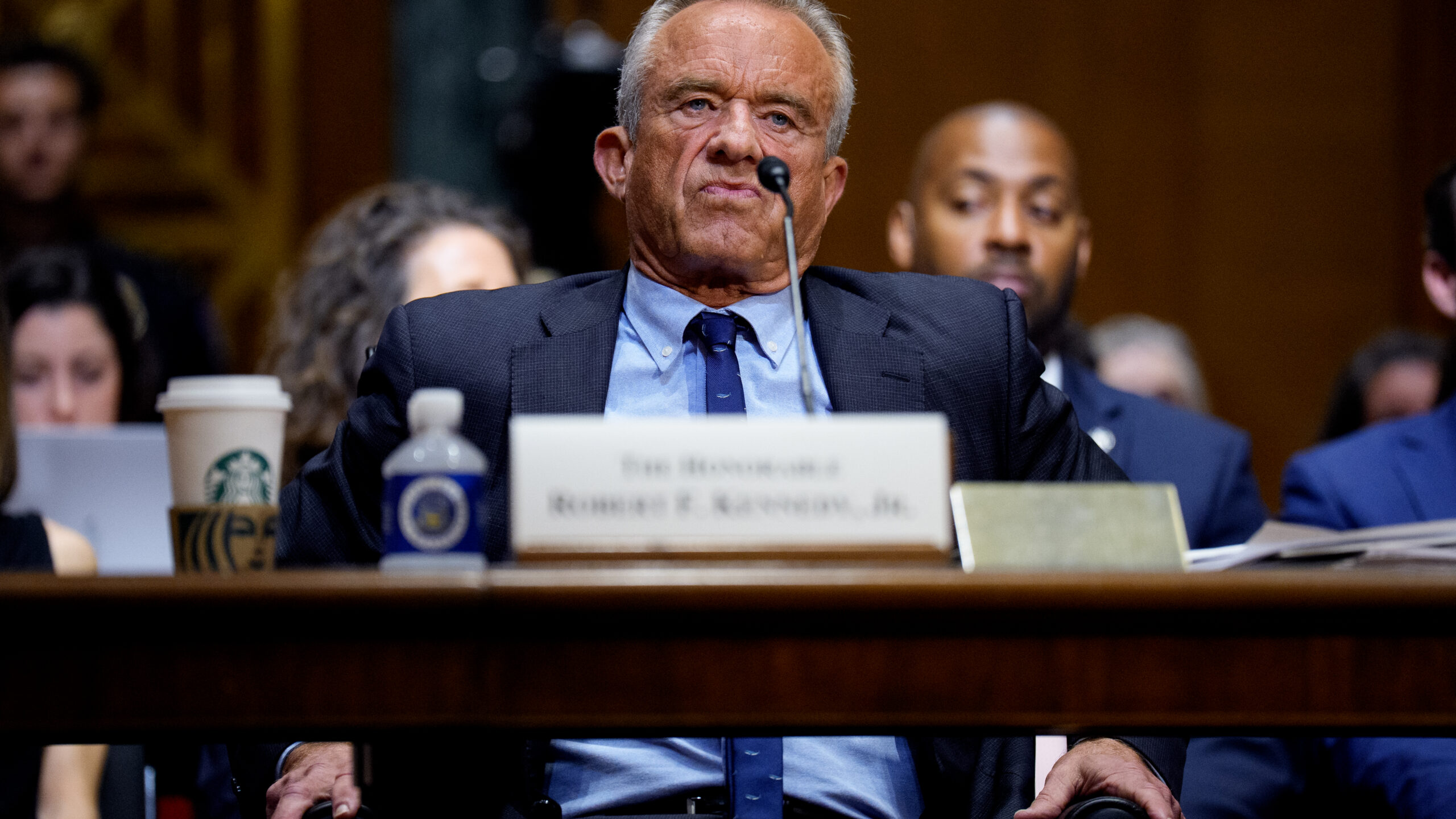
U.S. vaccination rates have slipped below protective levels in recent years, driven by the rise of anti-vaccine rhetoric and misinformation promoted by fierce anti-vaccine advocates, including current U.S. Health Secretary Robert F. Kennedy Jr.
“Runaway measles outbreaks in the United States, as well as the needless deaths, are all due to low measles vaccination coverage,” Noel Brewer, chair of an independent U.S. committee who presented findings to PAHO, told the Journal, “We’ve gotten comfortable letting children be stopped by a deadly disease and die from it.”

Vaccination Drives and Public Outreach Across Pennsylvania
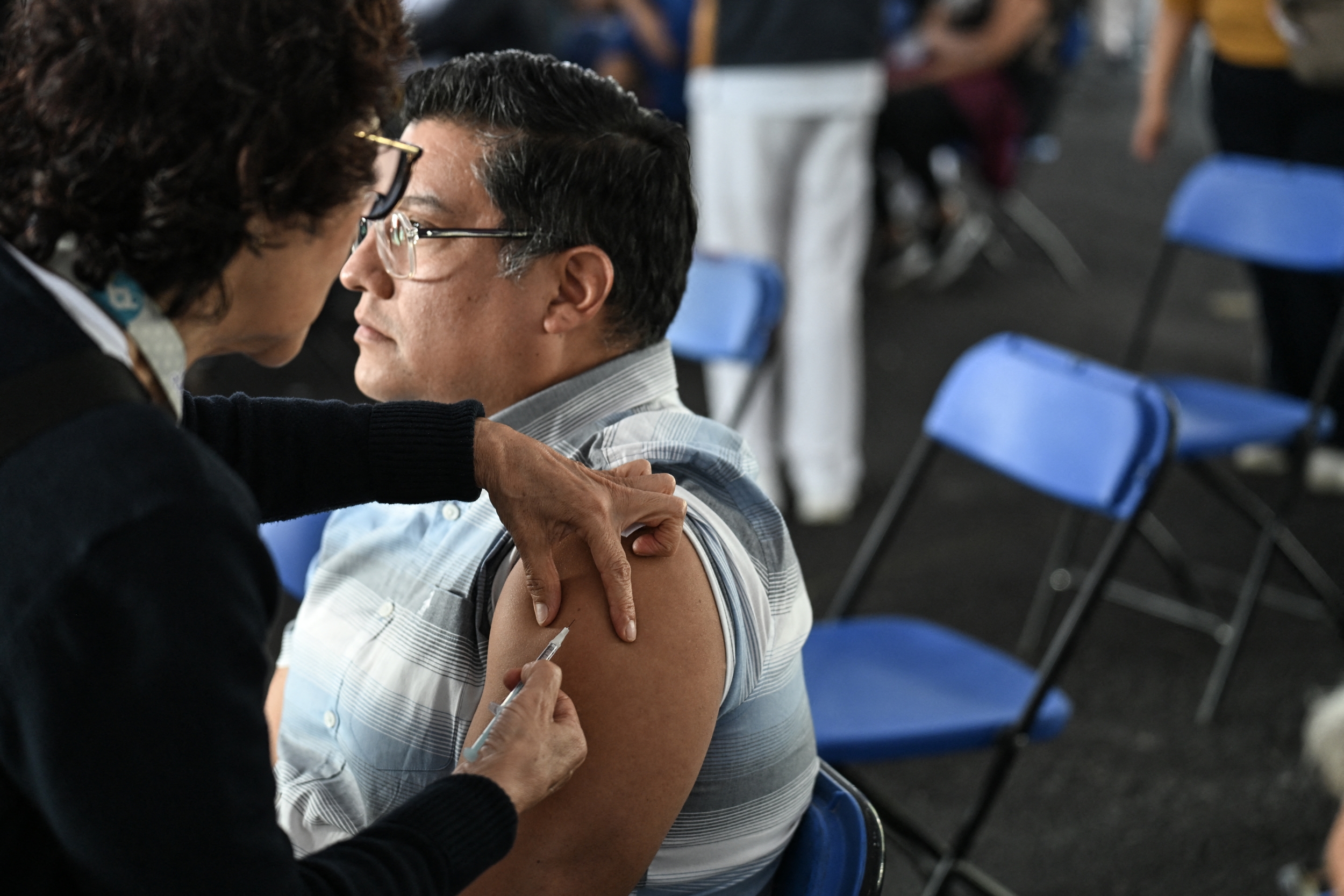
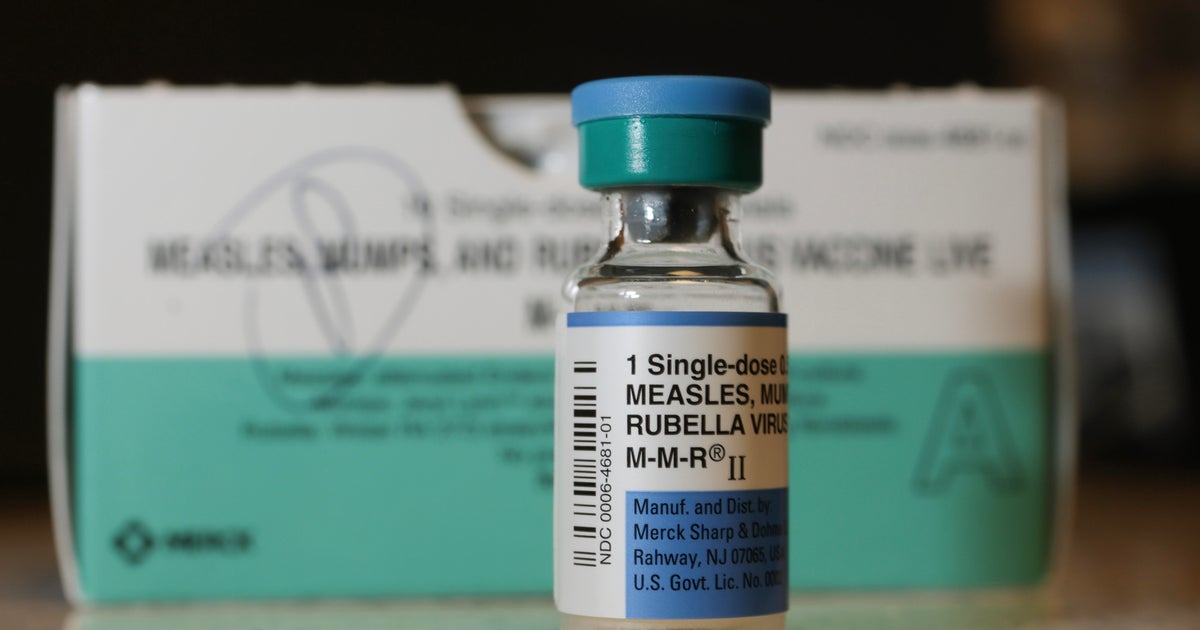
To combat the surge, the Pennsylvania Department of Health has deployed approximately 300 staff members to conduct community outreach, home visits, and pop-up clinics, City & State Pennsylvania reported. State health center staff have administered more than 7,100 MMR doses at pop-up clinics, while private healthcare providers have delivered over 140,000 doses since September 1, according to 6abc Philadelphia. State health officials said that healthcare providers statewide administered more than twice the usual number of doses, recording over 56,000 doses in September and nearly 62,000 doses in October. The measles, mumps, and rubella vaccine is administered over two doses to boost the immune system and provide 97% lifetime protection, according to recommendations from the Centers for Disease Control and Prevention.
Dr. Debra Bogen, Pennsylvania’s secretary of health, emphasized the importance of inoculation as the state moves into the winter months. William Moss, an epidemiology professor at Johns Hopkins’ Bloomberg School of Public Health, said that managing adult vaccination presents a distinct challenge because adults do not have a scheduled vaccination incentive such as school entry requirements.
Paul Offit also offered perspective on the seasonal trajectory of the virus as schools remain in session and colder weather encourages indoor gatherings. Officials emphasize that individuals who are unvaccinated or unsure of their immunization status can access vaccines across 59 state health centers offering free shots to uninsured or under-insured residents, as well as through county and municipal health centers.
Survey Reveals Widespread Confusion About Measles Risks and Vaccine Safety
A survey of more than 1,000 adults released by the Annenberg Public Policy Center at the University of Pennsylvania revealed widespread confusion regarding measles risks and childhood vaccine safety. Nearly 60% of respondents did not know how likely people are to die from measles, with only one in 10 correctly choosing the death rate of about one in 1,000. Nearly a quarter of survey participants believed the mortality rate was lower, and nearly 10% thought it was higher.
Regarding false claims linking the MMR vaccine to autism, 64% of surveyed adults disagreed, while 17% agreed and 19% remained unsure in the survey conducted between November 6 and November 8, which carried a margin of error of plus or minus 3.5 percentage points at the 95% confidence level.
Marnik, executive director of The Evidence Collective, said that information alone is insufficient to alter perspectives when trust in public health advice is lacking, describing the challenge as fundamentally a relationship problem. Robert F. Kennedy Jr. stated following the loss of the national elimination status that he continues to recommend MMR vaccination as the most effective way to prevent measles.
State Officials Link Quarter of National Cases to 2025 Outbreaks
State health officials reported that roughly a quarter of this year’s nationwide measles infections connect directly to outbreaks that started in 2025. By comparison, between 2000 and 2010, the highest number of cases nationwide in a single year reached just 140 in 2008.
We will stop measles outbreaks, protect American families, and work to regain U. S. measles elimination status. I continue to recommend MMR vaccination as the most effective way to prevent measles. Worldwide COVID-era disruptions interrupted routine childhood vaccination, leaving… https://t.co/XXswAdOfn6
Within Pennsylvania, Chester County ranks fourth statewide with 96 cases, while Jefferson County saw approximately 132 percent growth during a comparative period, contrasted with roughly 21 percent in Lancaster County. Dr. Evan Shirey observed that he transitioned from seeing no measles instances to managing them nearly every day, attributing vaccine hesitancy to misinformation.
To combat the ongoing outbreak, approximately 300 staff members within the Pennsylvania Department of Health have been proactively working with residents, community organizations, and health care providers. Furthermore, the agency’s measles response team meets remotely every other week with Centers for Disease Control and Prevention professional staff to review cases and coordinate response efforts.
Next Steps for Readers
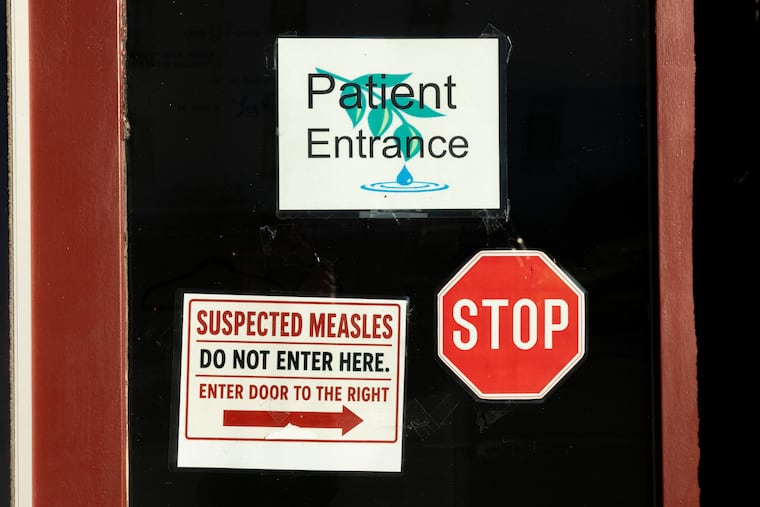
Anyone who believes they may have been exposed to measles or who is experiencing symptoms such as a fever, cough, runny nose, red and watery eyes, or a characteristic rash starting on the head and spreading downward should contact a qualified healthcare provider promptly or call the Pennsylvania Department of Health’s toll-free hotline at 877-PA-HEALTH (877-724-3258).
Individuals who are unvaccinated or uncertain about their vaccination history are encouraged to consult qualified medical professionals or visit local state, county, and municipal health centers for guidance.