Missouri Voters Weigh Amendment 6 After Lawmakers Overturn Minimum Wage Vote
Voters are now deciding the fate of an amendment designed to prevent the legislature from overturning citizen-initiated laws or amendments, arriving nearly three months after Missourians soundly rejected a proposed constitutional amendment that would have made it harder to change the state’s constitution. Amendment 6 addresses a growing tension in Jefferson City between the Republican-majority General Assembly and the state’s petition process.
Under Amendment 6, if lawmakers try to amend a citizen-passed initiative, they would need a vote of at least 80% in both the House and the Senate. Even if that high threshold is met, any proposed changes would still have to go to a vote of the people. The amendment also prohibits the legislature from passing any bill “weakening citizens’ initiative or referendum powers” and requires that ballot summaries, summary statements, and fiscal notes be “clear, unbiased, fair, accurate and easy to understand.”
After observing state officials set aside ballot measures approved by the electorate, Kate Catanio decided to step up as a volunteer for Respect Missouri Voters—the organization championing Amendment 6. “I was frustrated watching issues decided by voters be overturned by politicians, and maybe even more frustrated by seeing misleading and confusing ballot language,” Catanio said.
The Flashpoint Over Proposition A
The most recent example of lawmakers overturning a citizen-passed law came last year, when nearly 58% of Missourians passed Proposition A during the 2024 November election. The minimum wage was pushed up to an eventual $15 per hour alongside a mandate for employers to provide paid sick leave due to that state law modification. The very next legislative session, the Republican-led legislature overturned the sick leave portion.
“I think that the overturning of Proposition A was a big catalyst, especially because you saw such an overwhelming majority victory for that at the polls,” said Rep. Eric Woods, D-Kansas City. Woods noted that Amendment 6 is a natural response to the Republican-majority legislature overturning ballot initiatives, pointing out that Missourians have seen their voice through the initial petition process needs protection.
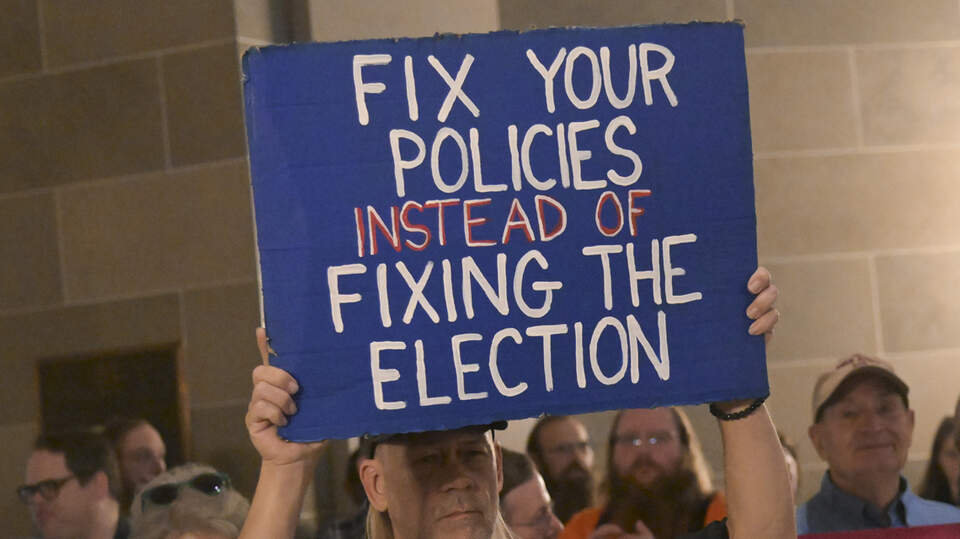
On the other side, Republican lawmakers argue the measure goes too far in the opposite direction. “It ties the hands of the legislature, but it also handcuffs voter choice,” said Sen. Joe Nicola, R-Grain Valley. Nicola pointed to the old Proposition A as an example of a new law that presented problems for small businesses in the state, adding that it is the job of lawmakers to look over the legislation they pass, though that same scrutiny does not currently apply to citizen-backed laws or amendments.
Jack Cardetti, the spokesperson for Amendment 6, said that Missouri voters should have the final say, not politicians.
Concerns Over Unintended Consequences and Legal Hurdles
A frequent argument against Amendment 6 centers on what happens if unpredicted issues emerge after the passage of a law through the initiative petition process. Nicola warned that if unintended consequences arise in a piece of legislation passed by initiative petition, the General Assembly would be unable to fix it without an 80% vote in both houses, which he argued is not going to happen.
Rep. Ed Lewis cited Amendment 6 as something that could prevent lawmakers from ever being able to adjust the initiative petition process. Lewis also contended that if Amendment 6 passes, it would kill any chance lawmakers would have to try to amend the initiative petition process themselves in the future.
Proponents, however, maintain the 80% threshold is only impossible to achieve if an issue is partisan. Catanio argued that lawmakers routinely pass plenty of bills with support above 80%, meaning the high bar is designed to force a bipartisan majority to undo something the public has already decided.
The measure arrives on the ballot following a tumultuous legal road. In August, Secretary of State Denny Hoskins rejected Amendment 6, arguing in part that the proposed constitutional amendment violated the state’s single-subject requirement. The Missouri Supreme Court subsequently ordered the measure onto the November ballot, saying, “Even assuming these hypothetical constitutional claims were preserved, they are not ripe for review pre-election and are not a basis for finding the petition itself insufficient.” If Amendment 6 passes, Lewis expects it will face immediate legal challenges over its single-subject provision and a section that would retroactively apply the new standard to any citizen-backed laws or amendments enacted since 2010. Within the text is a severability clause ensuring that if one portion is struck down, the other sections remain intact.

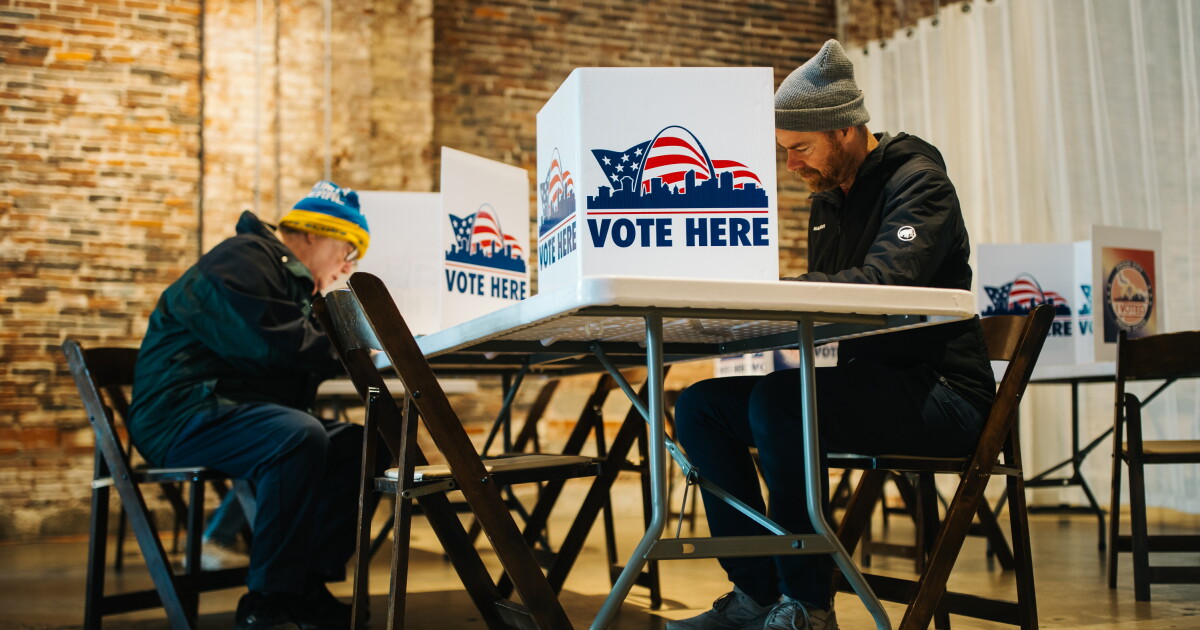
Voters are considering Amendment 6 just months after rejecting Amendment 4 by an 80% margin—an earlier proposal that would have required any constitutional amendment brought forward through the citizen initiative process to pass in each of Missouri’s eight congressional districts. Early voting is currently underway, and Election Day is Tuesday.