Escaping the Florida Heat: Fifteen Outdoor Escapes in Orlando’s Backyard
While northern states watch leaves shift into vibrant reds and golds, Florida marks autumn quite differently. The heavy, ninety-degree heat finally breaks, and the sweltering humidity that defines summer recedes. For residents and visitors across Central Florida, this shift opens an area built for hiking, camping, and paddling without the exhaustion of the warmer months.
Spanning pine flatwoods, wetlands, hydric hammocks, scrubs, and open prairies, the region’s outdoor gems sit remarkably close to the city. Some destinations require less than thirty minutes of travel from downtown Orlando. Yet, stepping onto these trails demands respect for the local ecosystem. Packing essentials such as a buddy, a map, bug repellent, sunscreen, a first-aid kit, a flashlight, snacks, and plenty of water remains non-negotiable.
Manatees Gather in Warm Spring Waters Near Orlando
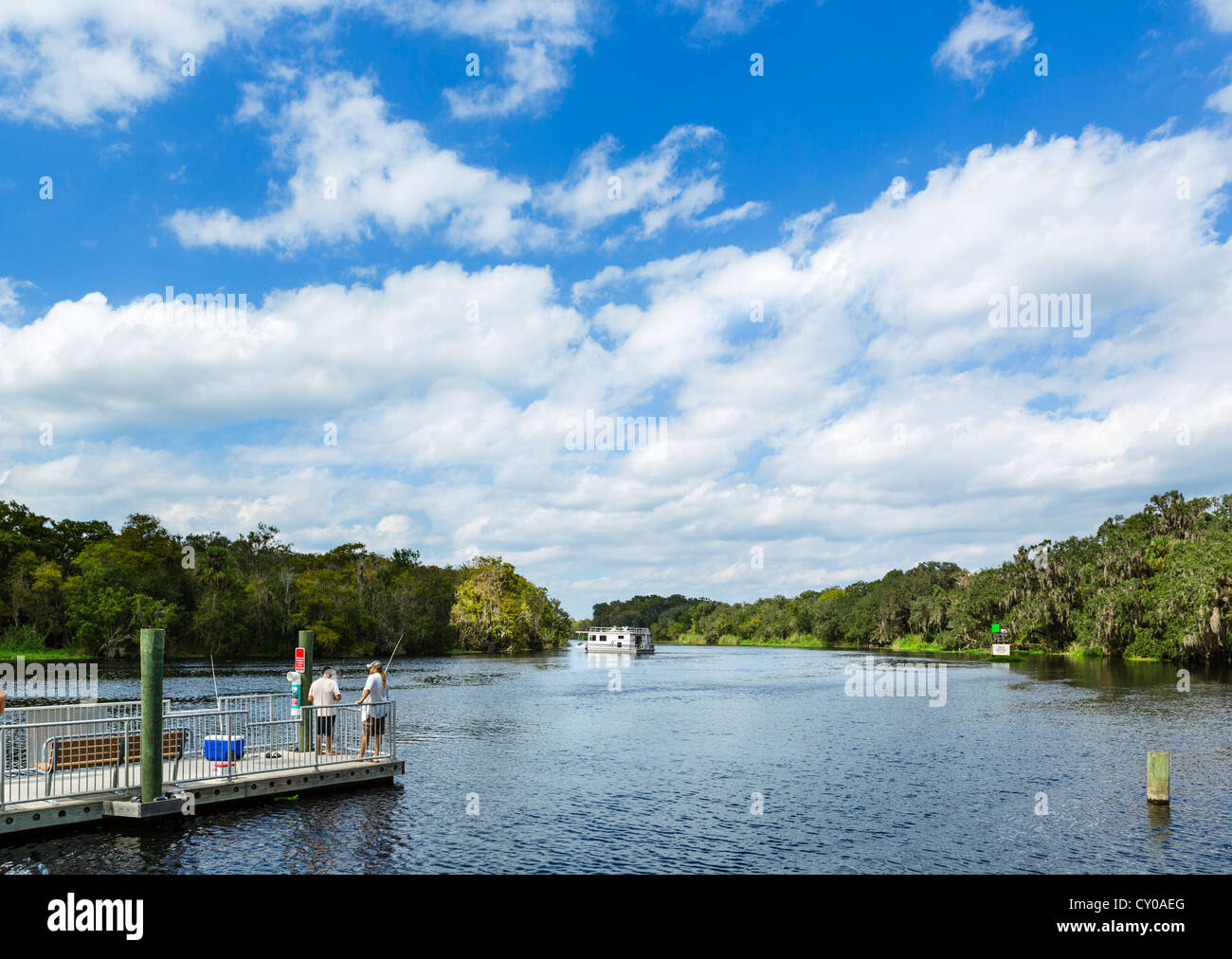
Forty-five minutes north of Orlando, Blue Spring State Park serves as a winter sanctuary for hundreds of manatees depending on seventy-two-degree spring waters for survival. On any given day during the cooler months, visitors stroll the boardwalk to watch the marine mammals congregate or view the spring boil pump out more than seventy million gallons of daily water. The park requires online reservations in advance. Hikers tackle the 3.5-mile Pine Island Trail out-and-back route, totaling seven miles to the St. Johns River, while paddlers launch kayaks directly from the park or via French Landing, where Adventures in Florida hosts manatee tours. Fifty-one campsites sit within walking distance of the spring.
Farther south in Apopka, Kelly Park and Rock Springs offer a different pace. While summer brings crowds tubing down the crystal-clear natural lazy river, autumn quiets the grounds considerably. Twenty-six campsites accommodate tents and RVs, while nearby King’s Landing provides rentals and tours for those aiming to travel the pristine Emerald Cut.
Dense Forests and Quiet Trails: Wekiwa Springs and Seminole State Forest
Wekiwa Springs State Park balances swimming access with an extensive trail network stretching from half a mile to 13 miles. The Wet to Dry Trail guides hikers along a scenic boardwalk connecting the spring boil to a shady wooded path. For longer treks, the orange-blazed Volksmarch Trail maps a 5.3-mile loop starting and ending at the main spring. Beyond hiking, the park maintains equestrian and off-road bicycle paths, alongside a campground featuring sixty wooded sites and four air-conditioned glamping tents.
Covering more than 30,000 acres in Lake County, Seminole State Forest delivers rugged exploration. A 7.5-mile segment of the Florida Trail runs through the property alongside primitive campsites available by reservation. Black Water Creek invites paddlers into wild Florida waters where encounters with native birds, alligators, otters, and black bears remain entirely possible. Vehicle access requires a gate code obtained by calling 352-589-1762.
Split Oak Forest Faces Threats from Planned Toll Road
At the 2,000-acre Split Oak Forest, located forty minutes southeast of Orlando, a 200-year-old live oak split down the middle yet survived to become the preserve’s namesake. Despite an 86% voter approval on an Orange County ballot measure in November 2020, the natural land faces ongoing threats from a planned toll road. A 6.4-mile trail encircles the property, offering hikers a glimpse of the famous oak.

Meanwhile, Shingle Creek Regional Park in Kissimmee marks the northernmost headwaters of the Florida Everglades. Steffee Landing offers kayak rentals and launches for journeys through a cypress forest tucked just out of sight from major tourism corridors. Cyclists and pedestrians utilize the Shingle Creek Regional Trail behind Hunter’s Creek Middle School to traverse the area.
Wilderness Areas and Wetland Parks
Seminole County’s Little Big Econ State Forest protects more than 10,000 acres where the Little Econlockhatchee and Econlockhatchee rivers meet. The 5.2-mile Kolokee Trail forms a popular loop from the Barr Street trailhead, complementing fifteen total miles of hiking paths.
For visitors seeking rugged terrain, the Black Bear Wilderness Area in Sanford features a 7.1-mile loop following the St. Johns River through hydric hammock, cypress swamps, and wet prairie habitats.
Further west, Lake Louisa State Park in Clermont spans 4,500 acres of rolling hills across eleven distinct natural communities. Gopher tortoises and fox squirrels frequent the twenty miles of trails.
Finally, Orlando Wetlands Park in Christmas transforms reclaimed wastewater into a thriving 1,650-acre birding destination. Home to more than 220 bird species and 63 butterfly species, the city-managed park offers free admission and extensive looping trails for hikers and cyclists, though motorized vehicles and pets remain strictly prohibited.