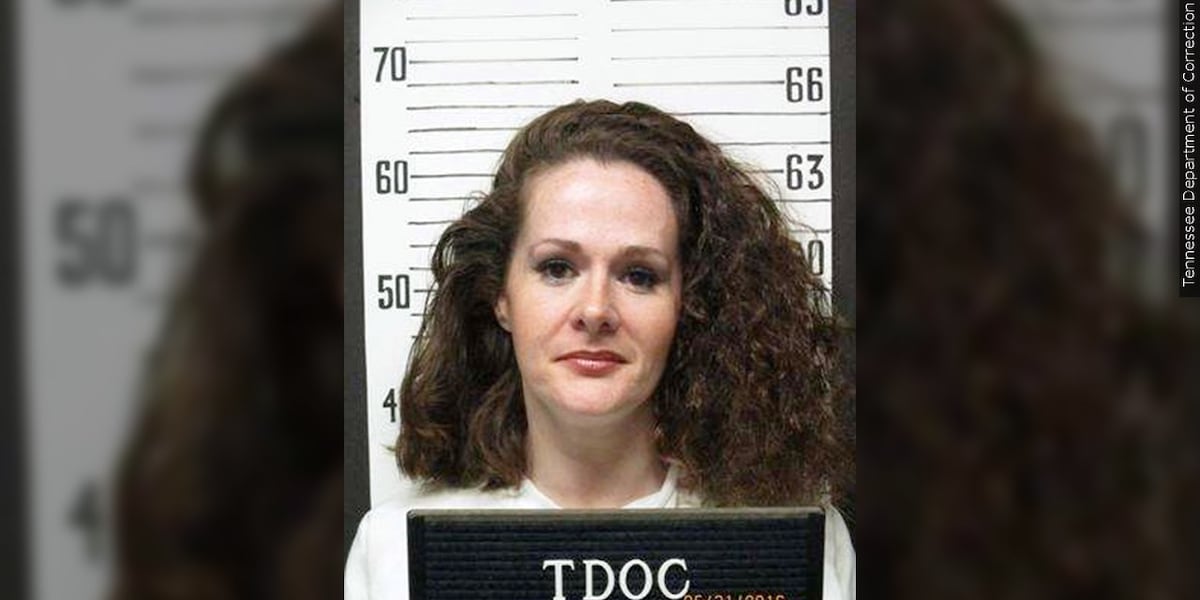
The Statement From Death Row After a Botched Execution
Christa Pike has broken her silence one month after the State of Tennessee failed to put her to death, releasing a first-person statement through her legal team that describes physical pain, lingering confusion, and the fallout from a legal breakdown. The statement marks the first time the public has heard directly from Pike since the botched September 30 lethal injection at Riverbend men’s prison.
“One month ago on September 30, I walked into the execution chamber at Riverbend men’s prison prepared to die,” Pike’s statement says. Department of Correction staff administered two doses of pentobarbital that evening during an hours-long procedure before halting the attempt and transferring Pike to a nearby hospital.
The failed execution triggered administrative upheaval inside Tennessee’s penal system. The state’s corrections chief resigned in the wake of the incident, and state lawmakers subsequently urged Bill Lee to pursue broader leadership changes across the Department of Correction. Lee has maintained that he expects Pike’s underlying sentence to remain unchanged.
Physical Toll and Isolation in the Medical Ward
In her written account, Pike details the medical consequences of the procedure and her current conditions inside the prison system. She states that she spent days in a hospital before returning to the custody of the Department of Correction.
Pike says that her body, arms, hands, and throat hurt, and that she still struggles to speak. She adds that the pain is not just physical, but also exists in her mind and in her soul.
Pike describes being housed largely in isolation within the prison’s medical ward since her return from the hospital. She compares the current confinement to her previous experience, noting that she spent 28 years in solitary confinement.
The execution itself was delayed by a temporary stay issued by the Sixth Circuit Court of Appeals less than an hour before it was scheduled to begin, though the U.S. Supreme Court lifted that stay hours later, allowing the procedure to proceed.
Reflections on the 1995 Knoxville Case
Pike was convicted in 1996 for the 1995 killing of 19-year-old Colleen Slemmer, a crime known as the “Jobs Corps Murder” in Knoxville. Prosecutors and testimony established that Pike, along with co-defendants Tadaryl Shipp and Shadolla Peterson, killed Slemmer over relationship issues. It was discovered throughout the case that the offenders had carved a pentacle into Slemmer’s chest and taken a piece of her skull as a souvenir of the murder.
In her statement released via email, Pike mentions the victim’s relatives. “I continue to think about my victim’s family and the terrible pain and loss they have endured,” she writes.
While her attorneys continue legal maneuvers, Pike expresses gratitude for external support. She highlights kindness and prayers from individuals around the world who have contacted her since the execution attempt.
“To know that so many people care about me, that they see me as a human being whose life matters, is something I cannot fully put into words,” Pike says. She also extends thanks to the doctors, nurses, and first responders at the hospital who treated her following the procedure.