Kentucky Court Denies NCAA Emergency Bid to Bench Athletes
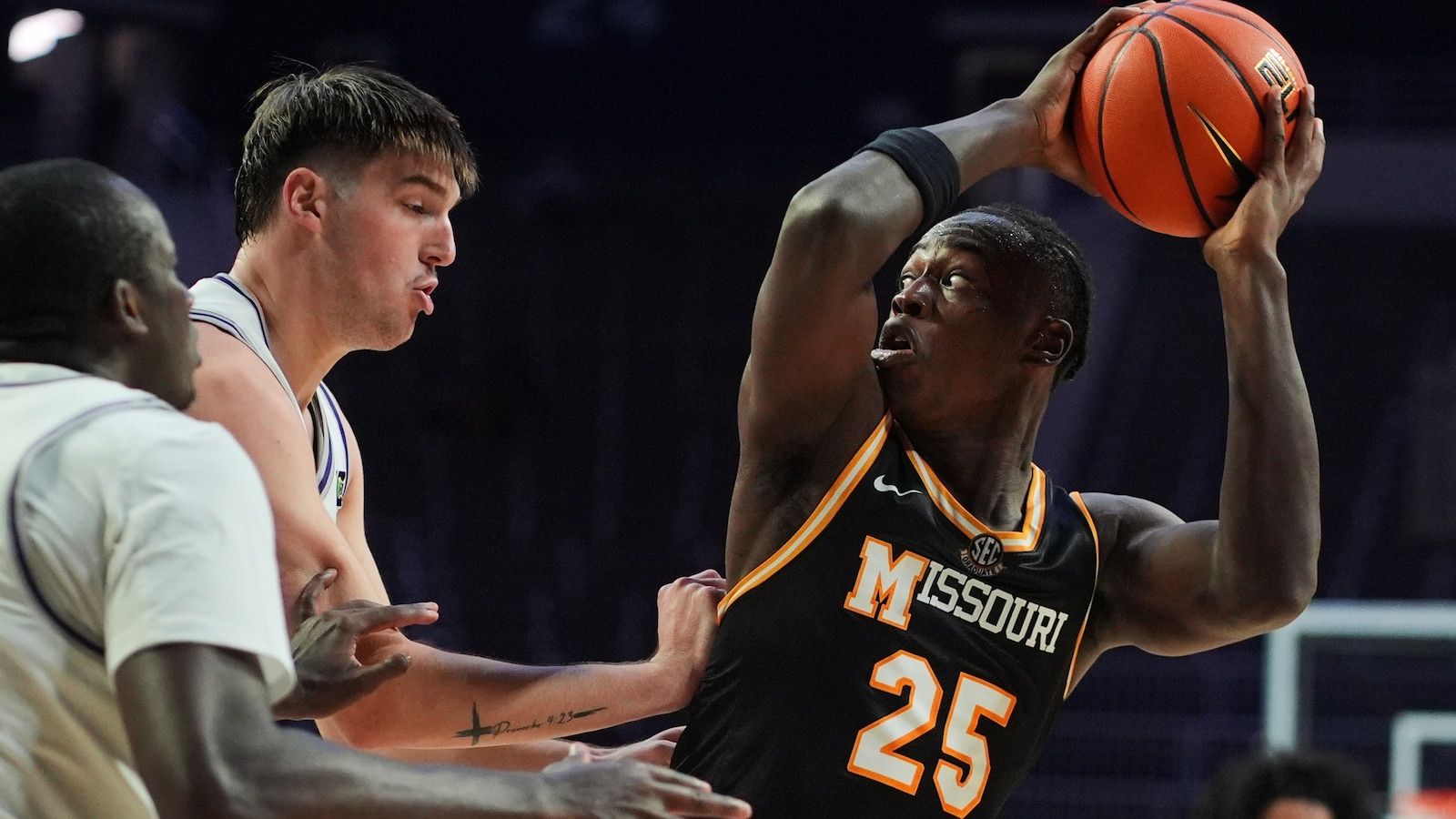
A Kentucky Court of Appeals judge has denied the NCAA’s request for emergency relief, allowing 30 college athletes—including prominent basketball players like Missouri’s Mark Mitchell and LSU’s Skyy Clark—to remain eligible for competition as the new season looms. The ruling, issued Friday by Judge Sara Walter Combs, keeps a temporary injunction in place that permits these athletes to play while the courts continue to weigh the NCAA’s challenge to a broader eligibility ruling.
The dispute centers on the NCAA’s new “five-for-five” eligibility model, which is slated for full implementation next fall. Under the current system, athletes generally receive five years of eligibility beginning when they graduate high school or turn 19. However, the NCAA’s transition plan excluded athletes who began their college careers during the 2022-23 season and completed four years of play.
Judge Combs’ decision effectively pauses the NCAA’s attempt to enforce its interpretation of these rules against the plaintiffs. In her ruling, she noted that the governing body failed to demonstrate that the presence of these athletes on the court would cause “imminent, ruinous and incalculable injury.” Furthermore, she emphasized the judicial preference for consistency, stating it serves no purpose “to flip-flop repeatedly as our courts work through the underlying issues.”
Stakes for Football and Basketball Programs
The impact of this legal standoff extends well beyond the basketball court. The list of athletes protected by the injunction includes several high-profile football players whose seasons are currently underway. Among those permitted to continue competing are Kentucky’s Alex Afari Jr., Texas Tech quarterback Thomas Castellanos, and the Louisville duo of Jabari Mack and Kalib Perry. The NCAA, for its part, has expressed significant frustration with the current legal trend. In a memo circulated to its member institutions late Thursday, the organization’s legal office stated it was “deeply disappointed” by a parallel development in Ohio, where the state Supreme Court recently maintained a ruling allowing two dozen players to remain eligible.
“Every minute played by an ineligible player is an opportunity deprived to an eligible student-athlete—sometimes in the pinnacle events of a season,” the NCAA noted in its memo. “And it provides a significant competitive advantage to schools rostering experienced players who exhausted their eligibility.”
Fragmented Legal Rules
The Kentucky and Ohio rulings are part of a larger, multi-state legal battle. As athletes challenge the NCAA’s eligibility exclusions, courts are being asked to decide whether the organization’s new model unfairly penalizes those who were already in the system during the transition period.
The lead plaintiff in the Ohio case, Xavier basketball player Filip Borovicanin, is set to open his season this coming Monday. Other notable players caught in the crossfire of this litigation include Gonzaga’s Javon Bennett and MJ Collins of Cincinnati.
With the basketball season tipping off across the country, the temporary nature of these injunctions remains the central tension. While the athletes involved have secured a short-term victory, the underlying legal question—whether the NCAA can enforce its new five-for-five model in a way that excludes these specific cohorts—remains unresolved. Until a panel of three judges in Kentucky hears the full request for relief, the status of these 30 athletes remains, for the moment, on the court rather than on the sidelines.