Alaska State Contractor Begins Preparations for Controversial Ferry Terminal Amid Political and Environmental Tensions
The Alaska Department of Transportation (DOT) has authorized a contractor to mobilize equipment and prepare for the construction of a controversial ferry terminal at Cascade Point, sparking concerns about procedural shortcuts and political maneuvering. The move comes as the state’s outgoing governor, Mike Dunleavy, faces pressure to fast-track the project before his term ends on December 7, 2026.
The project, which aims to shorten ferry routes and reduce fuel costs, has drawn criticism from environmental groups and local lawmakers who argue it is being advanced without necessary permits. The U.S. Army Corps of Engineers has noted that it is conceivable the state could do work at the site without a permit if they do not impact jurisdictional waters, but opponents claim this is a strategic effort to bypass environmental reviews.
Contractor Begins Site Mobilization Despite Environmental Opposition
In mid-October 2026, the DOT informed Sitka-based contractor K&E Alaska Inc. that it could “mobilize equipment and store materials” at the Cascade Point site. The Southeast Alaska Conservation Council (SEACC) issued a cease-and-desist letter on Friday, October 30, 2026, after observing excavators at the site.
DOT spokesperson Justin Shelby defended the agency’s actions, stating, “We are following all applicable laws and regulations” and denying claims of “improper segmentation.” However, critics like Louise Stutes argue the state is “trying to beat the change of administration” by advancing the project before the new governor takes office. Stutes warned that the $28.5 million allocated for the first phase could be wasted if the project is later abandoned.
The Broader Implications
The Cascade Point Ferry Terminal would serve as a homeport for the Alaska Marine Highway System (AMHS) and support regional economic growth. According to the DOT’s project details, the terminal would improve transportation reliability and reduce long-term operating costs. However, opponents, including local residents and environmental advocates, fear it would complicate travel for communities like Haines, Skagway and Juneau, requiring them to drive or shuttle 30 additional miles to access the ferry.
The project also has ties to the New Amalga Gold Project, a mining operation that could benefit from the terminal’s infrastructure. A 2025 DOT report noted the terminal would “have mixed impacts on the state ferry system” but would “be an asset to the mine as well as Goldbelt Inc.’s prospects.” The project’s public-private partnership with Goldbelt Inc., a local landowner, has further fueled debates about its true purpose.
State Faces Regulatory Requirements Before Construction Proceeds
Despite the DOT’s claims of compliance, the project faces significant legal and environmental challenges. State Sen. Jesse Kiehl, a Democrat who represents all three communities that would be affected by the terminal, argued that starting Stage 1 without finalizing the entire project’s approval is “unwise.” “If you don’t know that the ultimate thing you’re going to build for the whole project is going to be allowed, why would you start building yet?” he asked.

The DOT must still complete an environmental review checklist, a Stormwater Pollution Prevention Plan, and consultations under the Alaska Historic Preservation Act. These steps could delay construction, with Shelby noting, “There’s a possibility we could see construction this year, or we could end up pushing into next year.”
The Political Clock Ticks
The timing of the project’s preparation has raised eyebrows. Dunleavy, a supporter of the terminal, is set to leave office on December 7, 2026. Critics, including SEACC, allege the state is trying to “break ground before the governor’s term is up.”
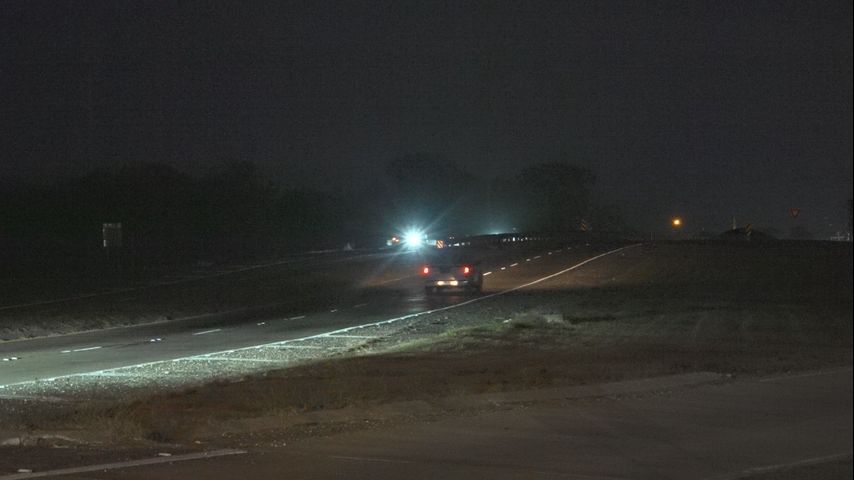
For now, the site remains a flashpoint. On November 2, 2026, SEACC staff documented excavators and heavy equipment at the location, a development that has drawn both scrutiny and skepticism. “We’re concerned that they’re trying to break ground before the governor’s term is up,” Lewis said, highlighting the tension between state officials and environmental advocates.
What’s Next for the Ferry Terminal?
The DOT has pledged to provide another public update before construction begins, including details on activities, schedules, and potential impacts. However, the project’s fate remains uncertain. With legal challenges looming and political transitions ahead, the Cascade Point Ferry Terminal remains a subject of debate.
As the state moves forward, the question lingers: Will the terminal serve as a model of efficient regional connectivity—or a cautionary tale of rushed decision-making?