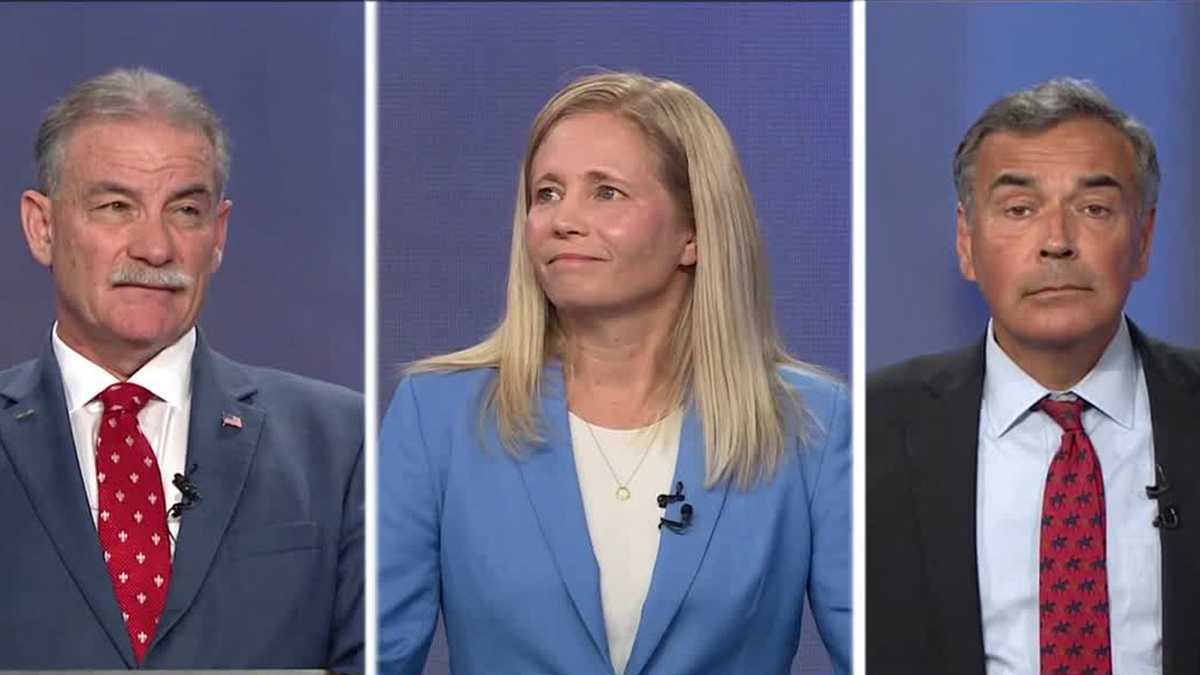
As Maine voters head to the polls today, the race for the 76th governor remains a high-stakes contest defined by three distinct visions for the state’s economic future. Following a primary season that required ranked-choice tabulation to determine winners, voters are now choosing between Democratic former House Speaker Hannah Pingree, Republican former assistant U.S. secretary of state Bobby Charles, and independent candidate and state Rick Bennett.
The Candidates and Their Economic Platforms
The path to this general election was anything but straightforward. Nearly two dozen candidates initially vied for the seat, with 13 eventually qualifying for the June 9 primary ballot. Now, the final three are centering their campaigns on the rising costs of living, though they offer starkly different approaches to state governance.
Hannah Pingree, who previously served as the director of Policy Innovation and the Future in the Mills administration from 2019 to May 2025, is emphasizing her experience in state government. Having served as the youngest woman in the United States to hold the position of state house speaker between 2008 and 2010, she has framed her platform around specific policy rollouts for education, healthcare, and housing. Pingree has consistently signaled a willingness to bypass partisan gridlock, stating, “I’m ready to work with anybody who cares about Maine’s future.”
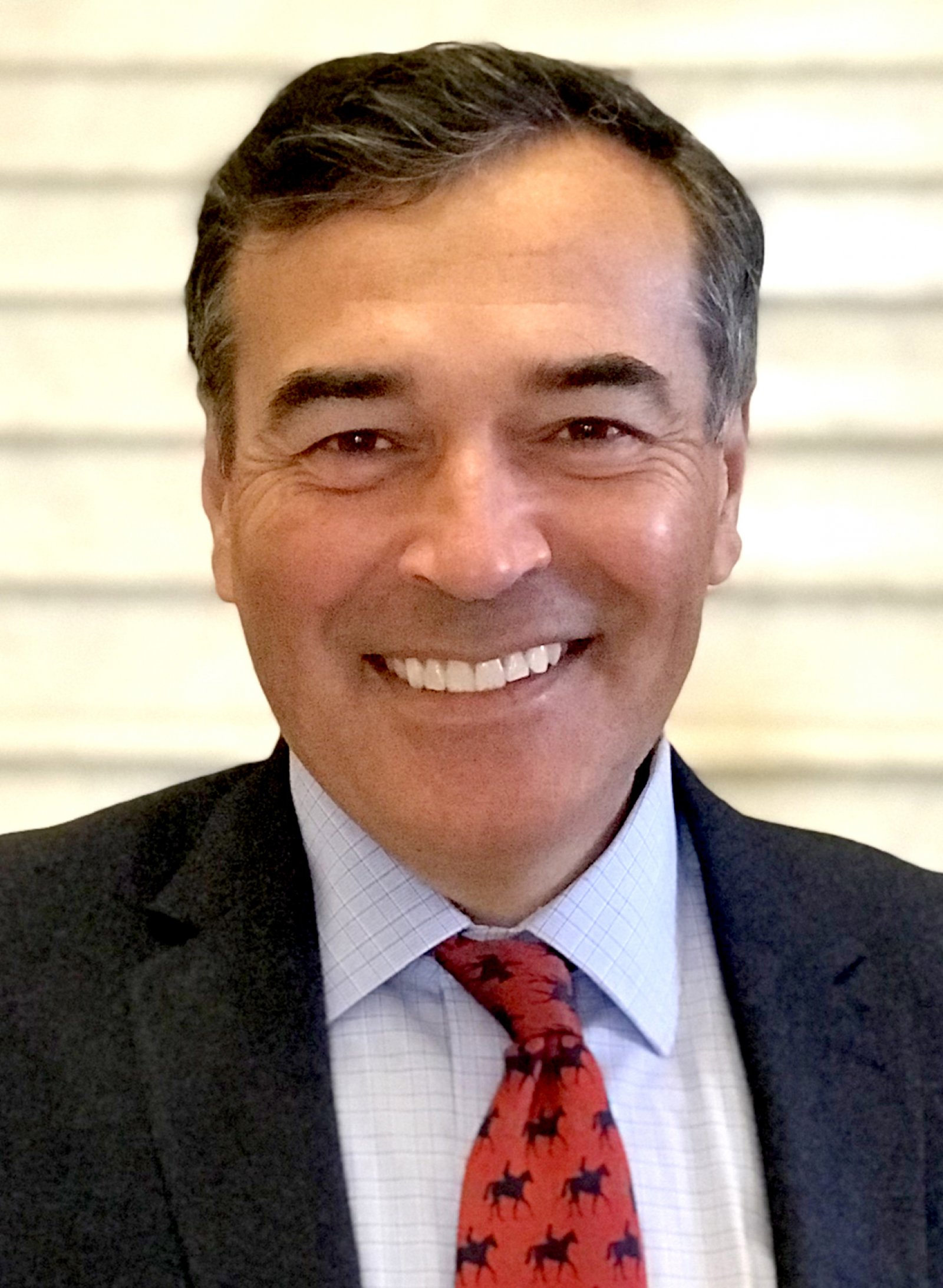
On the other side of the aisle, Bobby Charles has campaigned on a platform of “cut crime, cut taxes, no nonsense.” His proposal to slash $4 billion from the state budget—a figure he later walked back following internal party criticism—was a major point of contention during the primary. Charles, who previously held a position as an assistant U.S. secretary of state, has justified his late-career run by suggesting he is at a point where he feels a need to “start giving back.”
Meanwhile, Rick Bennett, a Republican-turned-independent, is attempting to capture voters dissatisfied with the two-party status quo. By focusing on the affordability of childcare, housing, and healthcare, Bennett is positioning himself as a pragmatic alternative. He recently argued that “Maine and Maine people deserve a functioning government and a governor who will put them first.”
Debates and Disputed Claims
The tension that has characterized this cycle reached a boiling point during the October 14 debate hosted by WMTW. Throughout the final weeks of the campaign, Charles has repeatedly leveled allegations against Pingree, specifically regarding her involvement in a community grant for affordable housing. Charles has alleged that Pingree’s family profited from the state-funded project.
However, Maine’s Total Coverage has investigated these claims and found that neither Pingree nor her father received payments from the nonprofit organization that was awarded the grant. The organization is led by the domestic partner of Pingree’s sister, who does receive compensation from the nonprofit, a connection that has become a central point of attack in the closing days of the race.
The Stakes for Maine Households
So what does this mean for the average Maine resident? The economic focus of all three candidates underscores a reality that many families are currently facing: the compounding pressure of housing inventory shortages and healthcare expenses. The winner will inherit a state budget and a policy framework that has been heavily influenced by the previous administration’s focus on innovation and policy development.
While the candidates have focused on their respective plans, the effectiveness of these proposals remains the subject of intense debate among voters. The shift from a Republican primary to a general election featuring an independent candidate like Bennett highlights a broader trend in Maine politics, where the traditional party-line divide is increasingly complicated by economic anxiety and calls for administrative reform.
As of this morning, the question of which path Maine will choose remains open. While the candidates have laid out their priorities, the final decision rests on whether voters prioritize Pingree’s legislative and administrative continuity, Charles’s promise of aggressive fiscal cuts, or Bennett’s independent pitch for a government reset.