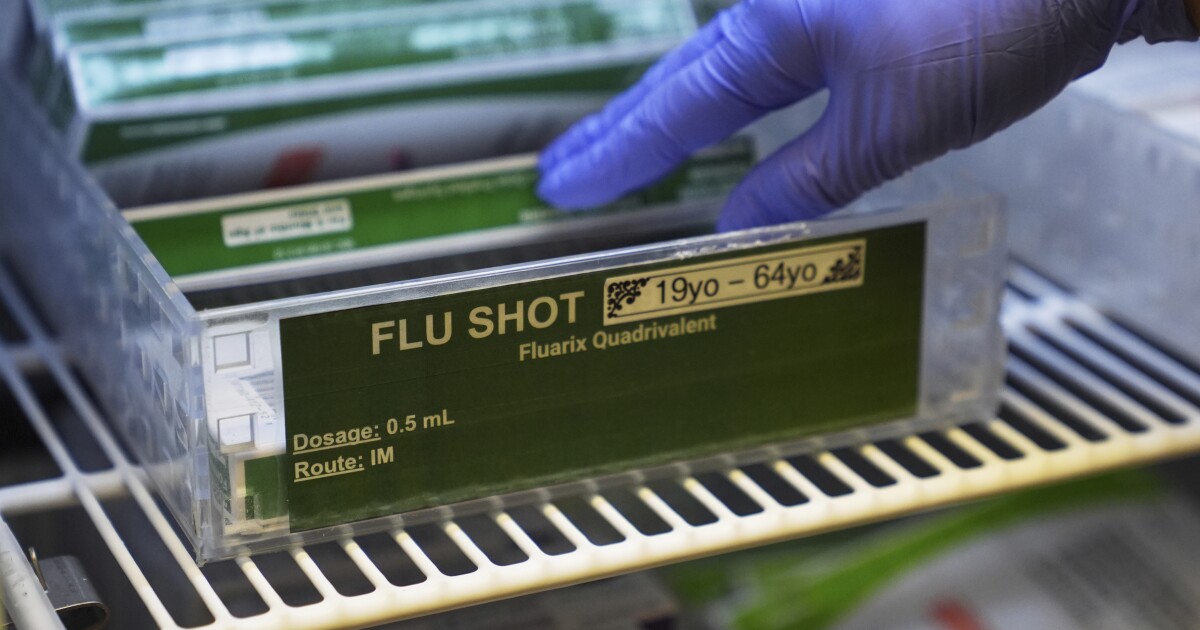
Maryland has yet to see an influx of flu cases, even though early spikes have shown up in the south and west of the United States.
Current Flu Strains and Vaccine Coverage in Maryland
Medical experts at Johns Hopkins University indicate that current cases nationwide are driven by a variant of the H1N1 virus. Fortunately, this year’s vaccine has good coverage for what has been tracked so far.
The Centers for Disease Control and Prevention reported nearly 5,000 laboratory-confirmed influenza hospitalizations nationwide during the week ending October 17th. Despite those numbers, Maryland’s local numbers remain low.
I think it’s really important for everyone to get a flu vaccine as soon as possible. Influenza can be a very serious illness, and the Centers for Disease Control and Prevention reported almost 5,000 laboratory confirmed influenza hospitalizations nationwide during the week ending October 17th.
Dr. Anna Durbin, director of the Johns Hopkins Center for Immunization Research
Andrew Pekosz, an immunology researcher at Johns Hopkins University, notes that the circulating variant faces only partial resistance from the current formulation.
Data suggests this year’s influenza vaccine can recognize this variant, so the immune escape is only partial or rather incomplete. Right now, there is no cause for concern, but this should be viewed as a good last call to get your influenza vaccination for this year, because the vaccines work best if they’re taken before the influenza season starts, and across most of the United States, we still haven’t seen a significant increase in influenza.
Andrew Pekosz, Johns Hopkins University immunology researcher
The Arrival of the First mRNA Flu Vaccine
This season marks the introduction of the first mRNA flu vaccine. Instead of using a killed form of the virus, this new approach relies on a synthetic strand of genetic material.
Researchers are closely monitoring how this formulation performs compared to traditional shots. Success could eventually streamline the annual update cycle.
The Food and Drug Administration convenes each March to select the strains for traditional influenza vaccines. That early timeline is necessary because traditional manufacturing takes months.
An mRNA approach could shift that schedule significantly. According to Dr. Durbin, agencies might hold selection meetings in July or August, allowing manufacturers to update the vaccine strains much faster if needed.
Currently, the mRNA flu vaccine is available only for individuals aged 50 and older. Conventional and new vaccines alike remain accessible at local health departments, pharmacies, and most healthcare provider offices.