
Tennessee Governor Bill Lee said Wednesday he suspects Christa Pike’s death sentence will remain unchanged following her failed execution last month, unless the courts intervene. The statement comes as the state grapples with the fallout from a lethal injection attempt that sent the state’s death row inmate to the hospital and triggered a high-level resignation within the Department of Correction.
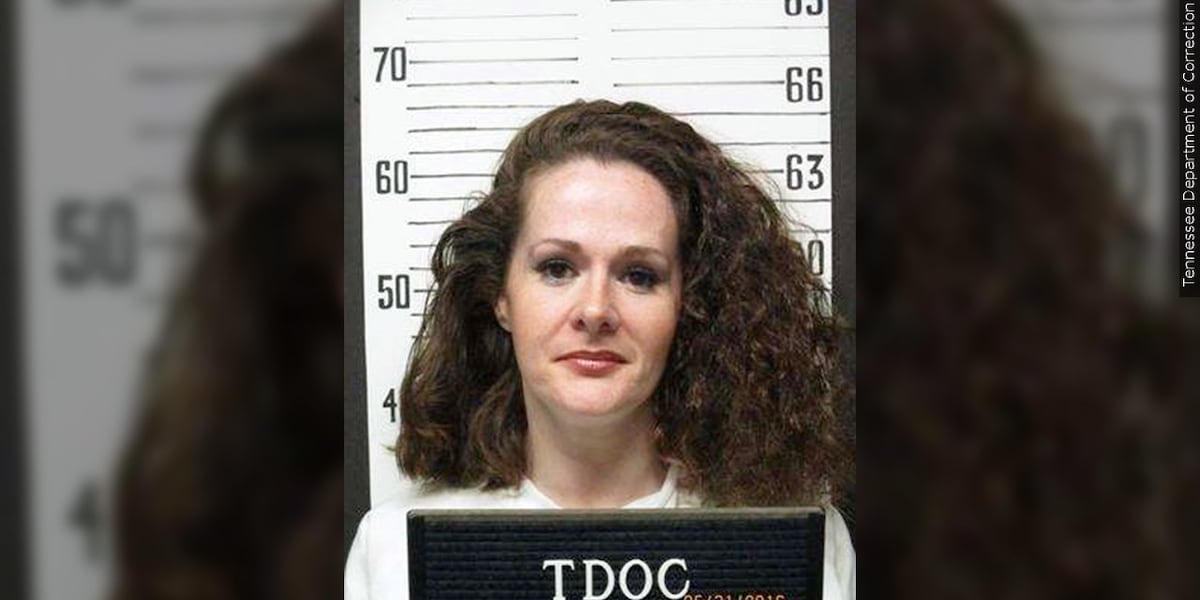
Pike, who is currently the only woman on Tennessee’s death row, survived two doses of pentobarbital during an attempted execution in September. According to legal filings, she could be heard crying, whimpering, and breathing loudly during the procedure before being rushed to a hospital in Nashville via ambulance. As of late last week, she was unconscious, intubated, and on a ventilator while doctors worked to clear the execution drugs from her body. She has since returned to prison, where she is now able to walk on her own and speak in full sentences, as reported by WSMV.
Governor Lee Addresses Sentence Status and State Law
Speaking to reporters on Wednesday, Governor Lee was asked whether the state would attempt to execute Pike a second time or commute her sentence to life in imprisonment.
As it related to a particular individual like Christa Pike and her crime, she’s still incarcerated under the laws of the State of Tennessee,
Lee said, as reported by WSMV. I suspect her sentence will be the same as before unless determined otherwise by the courts.
Pike was sentenced to death following her conviction for the 1995 torture and murder of 19-year-old Colleen Slemmer in Knoxville, Tennessee. Pike was 18 years old at the time of the killing, which she carried out alongside her then-boyfriend, Tadaryl Shipp. Her death sentence came down the following year amid an intense media spotlight.
Tennessee Gov. Bill Lee said he suspects Christa Pike’s sentence will remain the same following her failed execution last month. pic.twitter.com/rZyAKjtoR9
Commissioner Resigns and Executions Paused Through December
The failed execution marks the second time this year that a lethal injection procedure in Tennessee has faced critical complications. In the wake of the incident, Frank Strada resigned from his position as commissioner of the Department of Correction. Governor Lee announced that Strada will depart by the end of the month, with a replacement expected to be named within days.
In a joint statement, Strada stated that stepping down is in the best interests
of the state and called the ongoing investigation into the procedure entirely appropriate and necessary.
Governor Lee has ordered an independent review to determine what went wrong during the September procedure and has paused all scheduled executions in the state through the end of the year. State authorities have not yet announced whether they intend to schedule another execution attempt for Pike.
Legal Teams Clash Over Systemic Failures and Medical Risks
Pike’s legal representatives have sharply criticized the state’s handling of the procedure while welcoming the leadership change at the Department of Correction. Although they called Strada’s resignation justified, her attorneys emphasized that it does little to address Pike’s immediate situation.
What happened to her Wednesday reflects a systemic failure that goes far beyond any one person. We hope the Governor’s call for a full, independent review will expose the profound problems within Tennessee’s entire death penalty system. — Pike’s Legal Team
Before the execution attempt, Pike’s defense team filed multiple legal challenges warning that her specific medical history and anatomy—including small veins and thrombocytosis, a blood-clotting condition—put her at severe risk of enduring unnecessary pain and suffering during a lethal injection. The U.S. Supreme Court ultimately rejected two separate efforts by her lawyers to halt the procedure, and Governor Lee denied her final clemency request.
Following the failed injection, Pike’s attorneys filed an emergency motion demanding the preservation of all evidence related to the incident. Meanwhile, questions remain unanswered regarding the exact mechanical or pharmacological failures that kept the two lethal doses from taking effect.



