The 2026 Midterms Hit Indiana’s Republican Supermajority
When the ballots were tallied across Indiana, the state's politics changed in ways the ruling party did not see coming. As reported, Indiana Governor Mike Braun pointed directly to affordability concerns and voter frustration after an election night that upended the balance of power at the Statehouse and handed significant gains to Democrats. Mike Braun told reporters Thursday his office never lost sight of what mattered.
Republicans across the state lost 16 seats in the Indiana House of Representatives and five in the Senate. The losses extended beyond the legislature, with Democrats claiming two statewide offices—including the secretary of state and state comptroller contests—alongside a congressional seat in the 5th District and dozens of county and township posts in traditional strongholds like Hamilton County.
Governor Braun told reporters that the results served as a clear wake-up call. Voters, he noted, were feeling the financial pinch and felt ignored by federal policy failures. They were cranky, irritable and we did not read that well,
Braun said.
Blaming Washington Versus Looking Inward
While state leaders debated the root causes of Tuesday’s losses, sharp divisions emerged over whether the blowback originated from Washington or Indianapolis. Braun maintained that voters were reacting to national economic burdens, pointing to inflation and fallout from President Donald Trump’s costly war with Iran. That Middle Eastern conflict prompted Braun to institute a gas tax holiday earlier in his term to insulate Hoosiers from soaring pump prices.
Other Republicans, however, argued that state-level decisions alienated the electorate. Senator Spencer Deery (R-West Lafayette) contended that the losses were self-made. Deery, one of the few Senate Republicans to retain their seat after opposing contentious redistricting efforts, said the party faltered by straying from its commitments to voters.
There are a lot of people who lost and are in a lot closer races than they needed to be,
Deery said on election night, by not keeping the commitments they made to voters or to prioritize voters or the Constitution or really the Hoosier way of doing things.
That framing met pushback from House Speaker-elect Rep. Ben Smaltz (R-Auburn), one of the chief architects of the state’s redistricting map, whom House Republicans nominated to the speakership on Wednesday despite his resistance. Smaltz argued that local officials bore the brunt of broader headwinds despite having no hand in drawing legislative boundaries.
Local officials didn’t have anything to do with redistricting, but yet they still lost in many places,
Smaltz told reporters. I’m not really sure I see the connection.
Braun Argues Property Tax Focus Protected Indiana from Severe Electoral Carnage
Despite the setbacks, Braun argued that his early focus on affordability—including property tax legislation signed in 2025—protected Indiana from the severe electoral carnage seen in states like Texas, Florida, and Kansas. Yet he conceded that holding out-of-touch supermajorities may have dulled the party’s responsiveness. We’re the state that came through it the best, I think nationally, when you look at the carnage across the landscape,
Braun noted.
With narrower margins in both chambers, legislative dynamics are poised to shift. Democrats have said Republicans’ narrower majorities will require more bipartisan policymaking.
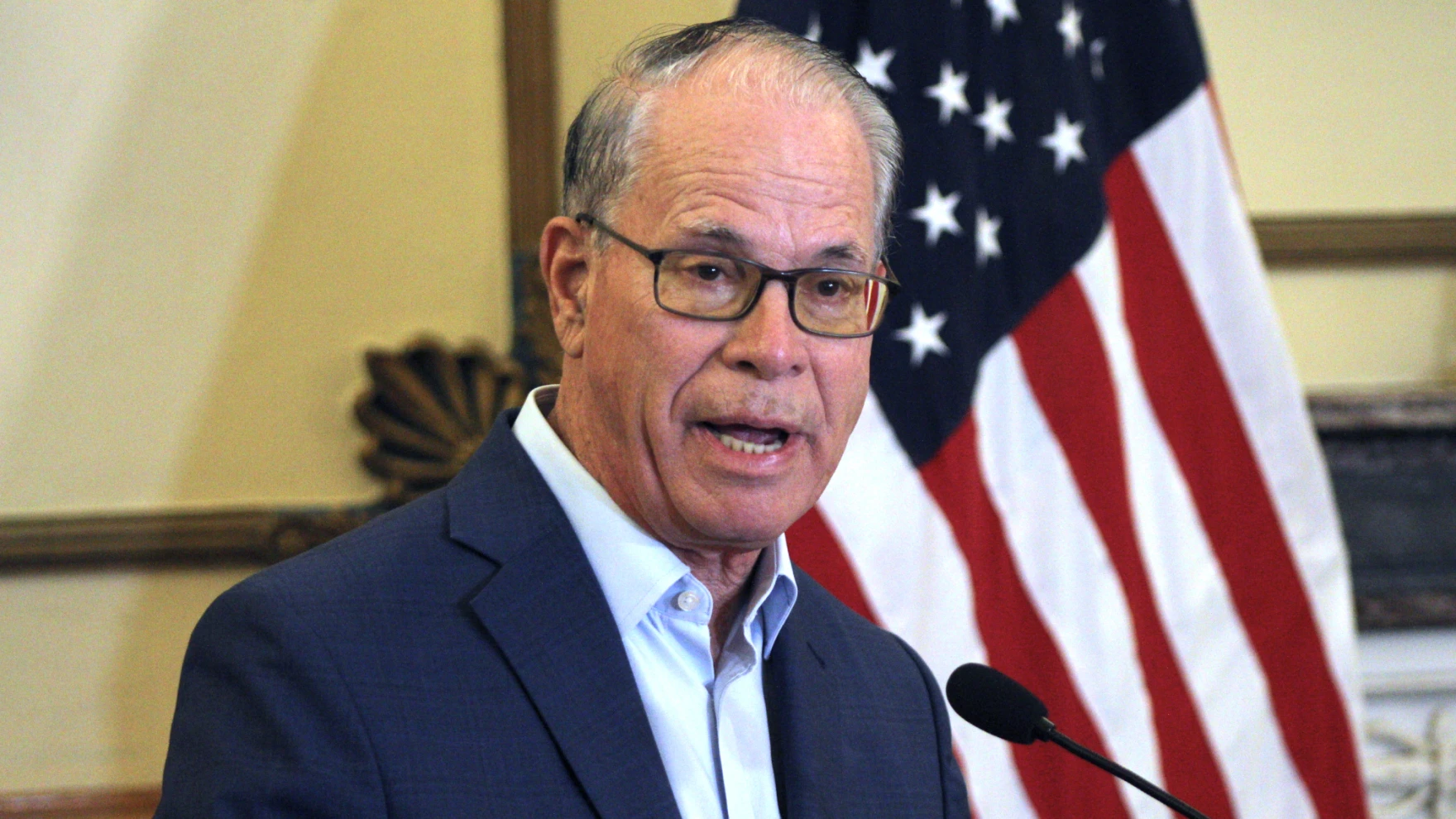
Governor Braun signaled a willingness to work across the aisle on property taxes, utility bills, affordable housing, and health care if Democrats bring forward viable ideas. I’m going to take all good ideas,
Braun said Thursday. Braun also voiced support for newly elected Democrat Beau Bayh and his plans to order an outside audit of the Secretary of State's office, addressing controversies surrounding outgoing Secretary Diego Morales.
Whenever it comes to audits and transparency, I’m going to be for them,
Braun said.
State lawmakers are scheduled to gather at the Statehouse on November 17 for Organization Day to take their oaths of office and elect leadership before returning in January for the legislative session.
Contact Information
Contact Government Reporter Benjamin Thorp at bthorp@wfyi.org