Hawaii Medicaid Doctors Prepare to Prescribe Fresh Food and Local Proteins
Fresh food as medicine may soon be prescribed by physicians to upward of 100,000 Medicaid beneficiaries in Hawaii. The script could be for fresh fruit and vegetables, even ahi, beef, chicken, and eggs. Beginning as early as January, the federally funded effort forms part of a specialized state Medicaid initiative designed to tackle chronic, diet-related medical conditions within disadvantaged neighborhoods. The launch places Hawaii alongside at least a dozen other states utilizing the Social Security Act’s 11-15 waiver program, which permits experimental and innovative health initiatives within Medicaid.
The Food Is Medicine program arrives as one in three households across the state report insufficient access to adequate, nutritious, affordable food. Food insecurity hits Native Hawaiians and Pacific Islanders particularly hard, affecting about half of that population. Puna is designated as a food desert—an area lacking sufficient or any availability of affordable, fresh, wholesome, and nutritious provisions—while 43% of Big Island inhabitants experience food insecurity.
For years, Moses and Suzette Paio, who live on the Big Island, have battled diet-related health problems while experiencing minimal headway previously. What they could afford to eat plays a major role in their diet.
Phased Rollout and Economic Impact on Local Agriculture
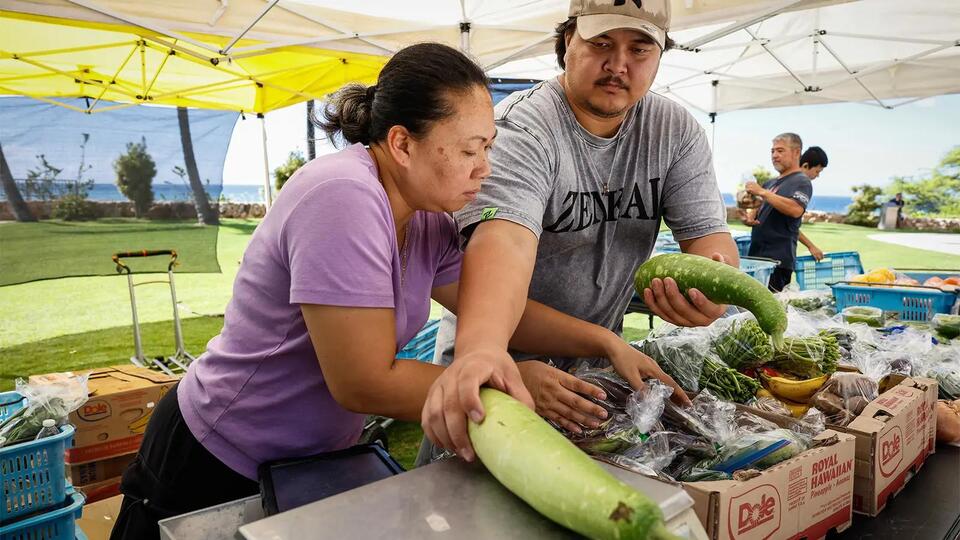
To roll out the state initiative, authorities have established a three-part timeline beginning in January with nutritional classes and prescription food boxes for qualified patients. Under these prescriptions, participants on Oʻahu will receive $50 weekly to purchase fresh produce and protein, whereas individuals residing on other islands will be allotted $55 each week.
State advocacy and health groups have tailored the initiative to support the local agricultural sector. Healthcare providers and advocates recommend that at least 15% of all produce and protein originate from local sources. While this target remains non-binding, organizers emphasize the importance of keeping the food supply chain local rather than shipping goods across the ocean.
More than 100,000 Hawaii residents who qualify for Medicaid may soon find their doctors prescribing them fresh food as medicine. The script could be for fresh fruit and vegetables, even ahi, beef, chicken and eggs.https://t.co/mAQgfsb5QJ
If there’s an opportunity to give food as medicine to our people, we should absolutely be using that money to support the local farmers. We’ll have an increased food supply, and we’ll be much better off…. Not to mention it’s the pono thing to do.
Alicia Higa
The program involves the Hawaii Good Food Alliance, alongside state agencies.
Pilot Tracks Medicaid Patients for Produce Savings
During the COVID-19 pandemic, the Waiʻanae Comprehensive Health Center tracked almost 500 Medicaid patients over 18 months, who received a $60 monthly produce prescription. That pilot yielded about $118 in healthcare savings per patient each month, according to Alicia Higa, chief health equity officer at the center.
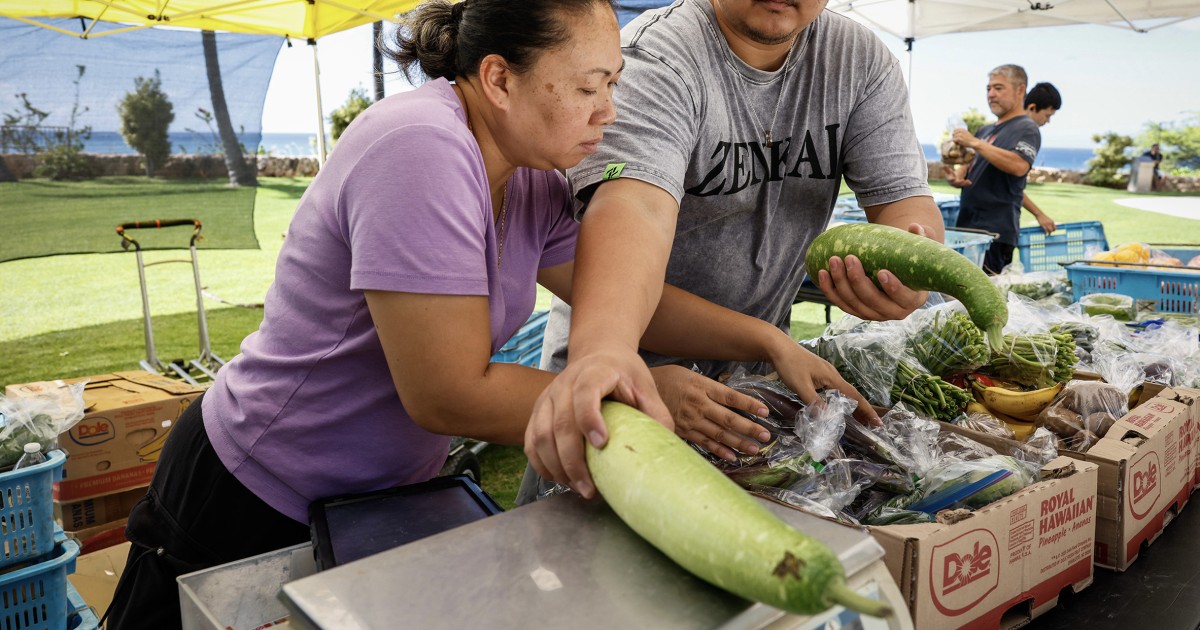
Jordan Smith, Food Is Medicine program manager at the Hawaii Good Food Alliance, noted the complexity of merging a broken healthcare system with a broken food system. The program’s full rollout will depend on individual health centers and food distributors, and the state is providing grants to help increase organizations’ ability to deliver the programs statewide.