The Political Shift Behind Houston’s ICE Policy Debate
Houston city politics is bracing for a major transformation as the dust settles on Tuesday’s statewide election results. With Democrats sweeping key offices and Governor Greg Abbott set to leave the executive mansion in January, local leaders are signaling a renewed push to revisit the Houston Police Department’s (HPD) cooperation with federal immigration officials. For months, this relationship has been a flashpoint, defined by administrative warrants, public protests, and the looming threat of state financial intervention.
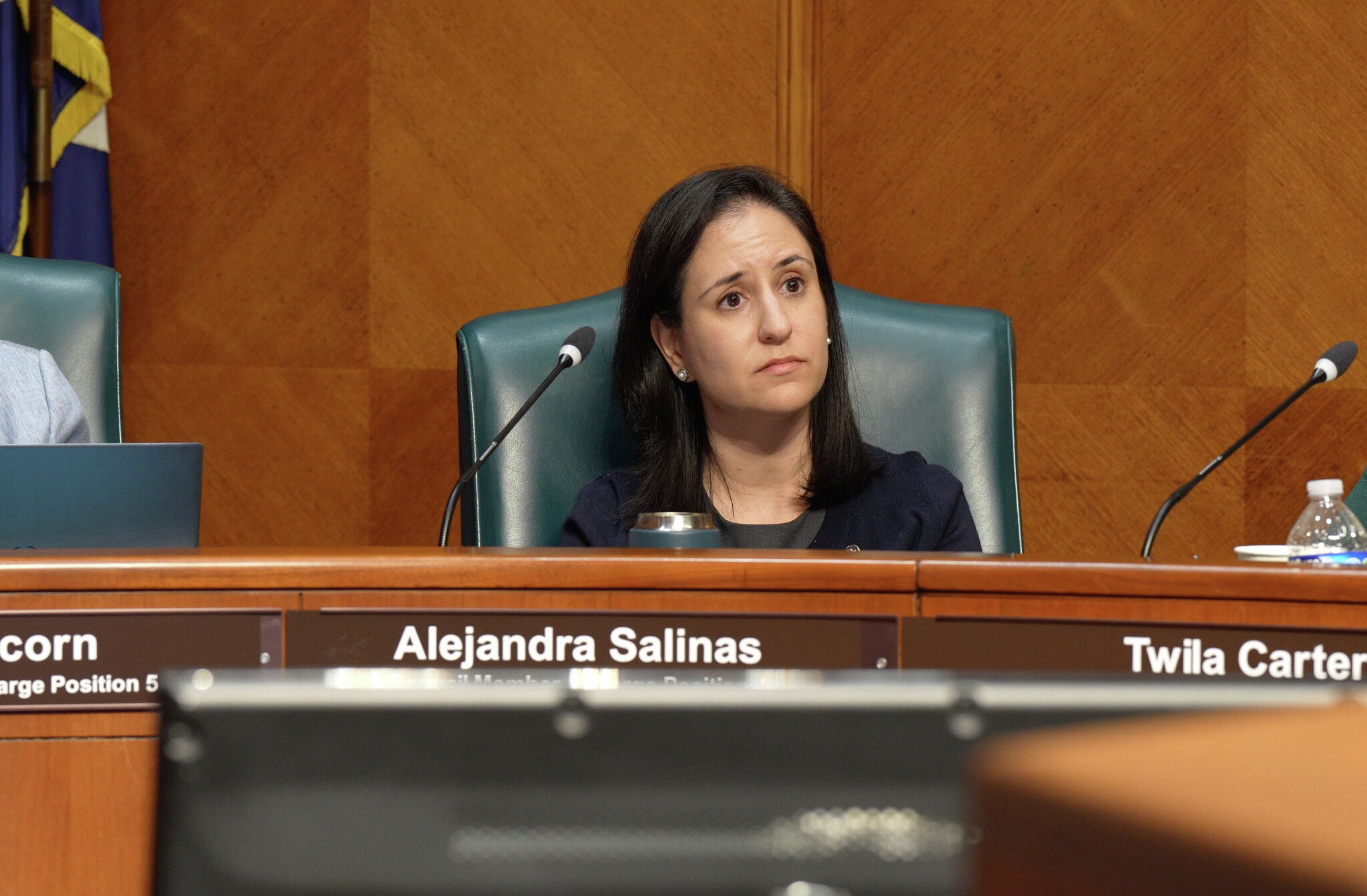
Council Member Alejandra Salinas, who previously spearheaded an ordinance to curb local police interaction with U.S. Immigration and Customs Enforcement (ICE), confirmed her intention to revive the proposal. Her original effort was effectively dismantled earlier this year after Governor Abbott threatened to strip $114 million in state grant funding from the city. With that pressure likely to evaporate under a new administration, the political calculus for Mayor John Whitmire and the City Council has shifted overnight.
“If there is an opportunity to make change sooner, we will absolutely do it,” Salinas told the Houston Chronicle on Wednesday. The urgency of her position reflects a broader frustration among some city officials regarding the current HPD policy, which directs officers to call ICE and wait “a reasonable amount of time” when they encounter individuals with civil immigration warrants.
HPD Transfers Residents to Immigration Authorities
The practical implications of these policies are measured in both public safety metrics and individual civil liberties. City data reveals that HPD handed 17 people over to immigration authorities between July and September, following 19 such transfers in the previous quarter. For critics, these numbers represent a constitutional gray area, as local officers are effectively detaining residents based on civil warrants rather than criminal charges.

The stakes are not merely theoretical. In August, a Honduran man filed a lawsuit against the city, alleging that he was held for over two hours during a traffic stop without being charged with a crime, only to be subsequently deported. This legal challenge remains ongoing, serving as a focal point for those arguing that current practices place the city in legal jeopardy.
Controller Chris Hollins said during Wednesday’s council meeting that the city’s excuse until now had been that it was doing what Greg Abbott wanted because what he says goes, but that is no longer the case.
Controller Chris Hollins, who has been vocal in his critique of the current administration’s alignment with state-level Republican directives, signaled that the era of using the governor’s threats as a justification for existing policy is coming to a close. While Mayor Whitmire has maintained that the city’s policy is adequate, he has yet to comment on how a change in state leadership might influence his approach to federal immigration cooperation.
A Shifting Landscape for Texas Cities
The conflict over HPD’s ICE policy gained national attention after the Trump administration added 700,000 noncriminal administrative warrants to a national law enforcement database. While Houston faced the direct threat of funding cuts, other municipalities, such as Austin and Dallas, managed similar pressures by securing compromises that allowed for more restrictive cooperation policies.
Travis Fife, an attorney for the Texas Civil Rights Project, suggests that the legal foundation for the governor’s past threats was never fully tested in court. With Governor-elect Gina Hinojosa—who has pledged to end cooperation with ICE across all state and local law enforcement agencies—preparing to take office, the legal and political environment is primed for a test of these boundaries. The question for Houston is no longer just about compliance with state directives, but about what level of autonomy the city chooses to exercise when the threat of retaliation is removed.
Mayor Whitmire, who served in the Legislature for 50 years before coming to City Hall at the start of 2024, has expressed a desire to use his relationships with incoming state Democrats. Whether that influence is used to protect the status quo or to facilitate a shift in policy remains the central question for the coming year. For now, the city council stands at a crossroads, with the potential to redefine the limits of local police involvement in federal immigration enforcement.