
Stitching Identity Across State Lines
In a personal essay published in Seattle magazine, a writer explores the complexities of cultural displacement and identity after relocating from California to Washington, finding an unexpected anchor in the local fashion scene.
Latinos make up approximately 15% of the population in Washington. That demographic reality served as the backdrop for the author’s initial feelings of isolation in a city characterized by what the essay describes as “gray restraint.”
Chicana High Fashion at Juanita Beach
The narrative centers on two encounters within Seattle’s creative community that reshaped the author’s connection to Mexican heritage.
The first occurred at Juanita Beach Park during a meeting with Veronica Moss, a Chicana fashion stylist who reinterprets traditional mariachi garments through high fashion. Witnessing Moss’s preservation of cultural roots provided an immediate sense of reconnection for the transplanted writer.
Maldonado Brothers Launch Mediums Collective Streetwear Brand
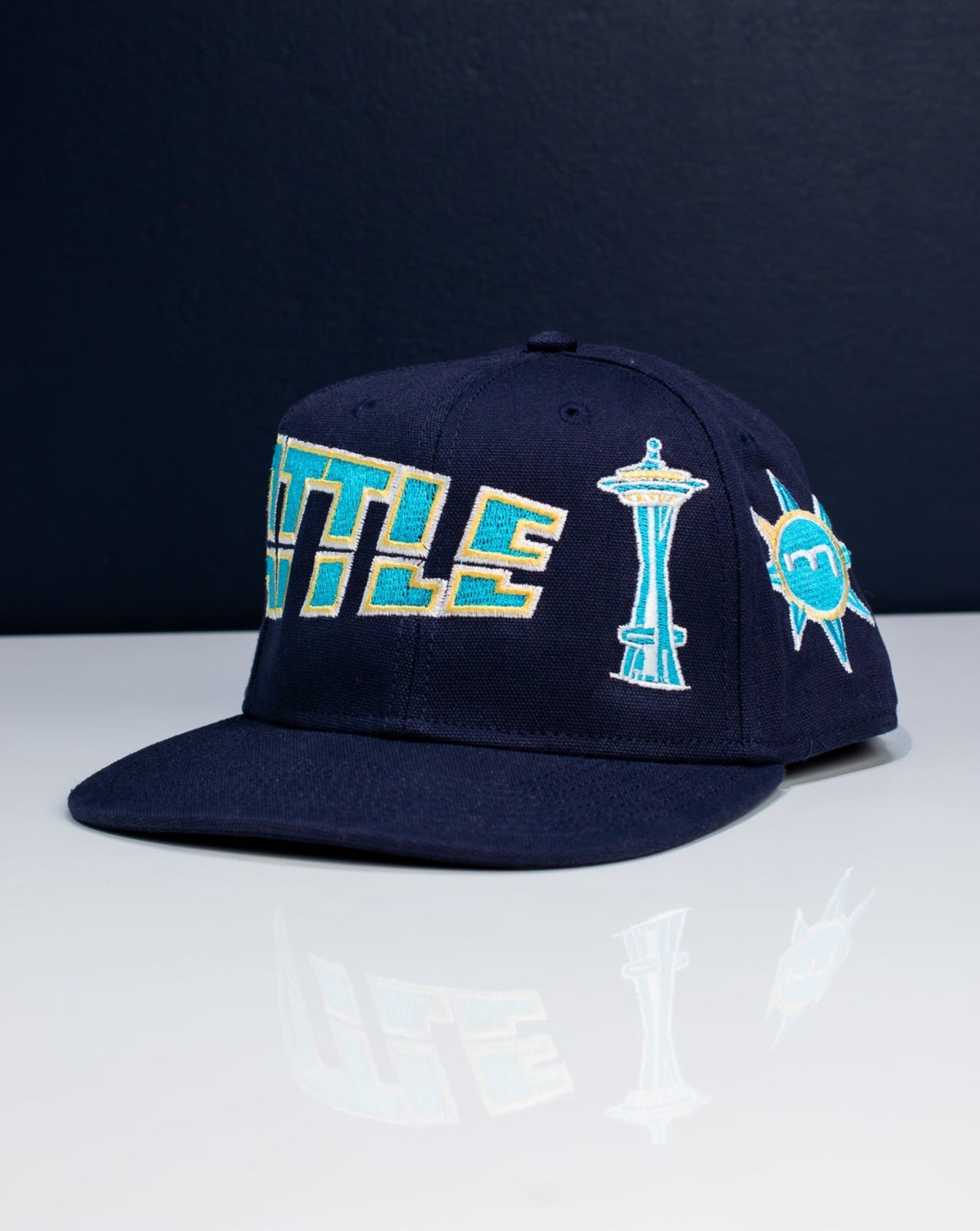
The cultural exploration expanded into Seattle’s streetwear and subculture spaces. In 2023, the author encountered Mediums Collective, a fashion brand founded by two young Mexican brothers, Roger and Cesar Maldonado.
Operating against a backdrop of lowriders, Raza rap, and heavy basslines, the brand uses apparel as a wearable narrative that bridges migration, urban lifestyle, and Mexican pride.
Mediums Collective Weaves Political Statements into Garments
Each piece rang out to me like a reminder of how dreams hold steady, and how their woven messages of Mexican pride and the importance of comunidad only grow louder the longer they exist and the more they’re worn.
The essay details how Mediums Collective incorporates explicit political and cultural statements into its garments. Designs feature puffers stitched with the word “familia” alongside shirts professing immigrant pride and a bill of rights, “Conoce tus derechos,” pressed on the back.
Resistance and Belonging in the Pacific Northwest
According to the publication, seeing these garments worn on the streets of Seattle represents an active resistance against cultural assimilation.
The essay frames this wearable art not merely as clothing, but as a migratory expression of culture that persists despite historical attempts at erasure, ultimately helping the author reclaim a personal sense of belonging within the Pacific Northwest.



