“If Likud is ready for genuine unity, I am prepared to see how serious it is over the next 24 hours,” said Gadi Eisenkot.
Israeli Prime Minister Benjamin Netanyahu proposed a rotating premiership on Saturday, offering to let his main political rival serve first in a national unity government as opposition leader Eisenkot rushed to assemble a ruling coalition ahead of a December 6 deadline.
Netanyahu Offers Rotating Premiership to Eisenkot
Writing on social media on Saturday, Netanyahu said that “my responsibility as a leader obligates me to put everything aside, including the principle of the largest party,” adding that he would initially serve as an “alternate prime minister,” according to reporting from the British Broadcasting Corporation.
The incumbent leader argued that the unprecedented concession was necessary due to “the magnitude of the existential danger and the possibility that a government will be formed that does not have the capacity to deal with this danger.”
The proposal comes as Eisenkot’s efforts to form a coalition government were gaining momentum following the October 27 legislative elections, which left both major blocs short of an outright majority in the 120-seat Knesset.
Eisenkot Demands Fast Talks in Response
Eisenkot swiftly responded by inviting Netanyahu’s team to meet at the Dan Accadia Hotel in Herzliya to conduct genuine and accelerated negotiations.
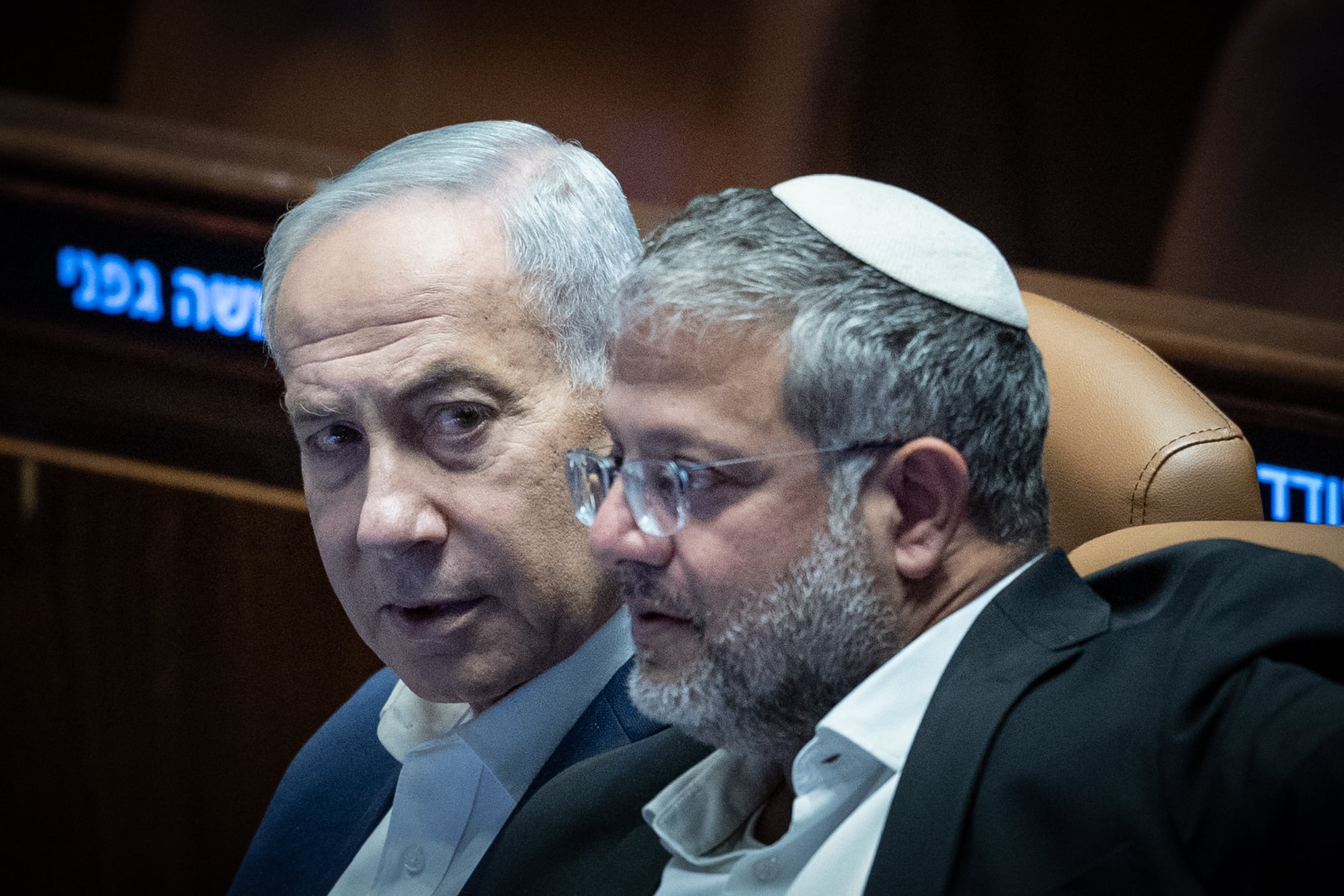
The Yashar party leader accused Likud of repeatedly obstructing negotiations over the preceding three weeks and said that “to this very moment, we have received no response” regarding a detailed proposal submitted the prior Sunday.
Eisenkot previously secured preliminary coalition agreements with the right-wing Yisrael Beiteinu party and the left-wing Democrats, bringing his immediate bloc to 48 seats.
Political Allies Split Over Unity Offer
The surprise announcement triggered immediate divisions among political allies and rivals alike across Israel's fractured political scene.
Yair Golan, head of the Democrats, dismissed the overture on social media, declaring that “Netanyahu lost” and urging leaders not to fall for political stunts, according to CNN reporting.
Meanwhile, former Prime Minister Naftali Bennett praised the move, stating that Netanyahu made the right decision in being “willing to join a unity government led by Eisenkot, a government based on an alliance of those who serve,” as noted by the BBC.
Finance Minister Bezalel Smotrich also welcomed the proposal, describing Netanyahu’s offer as “genuine and sincere” and expressing willingness to act as a guarantor for any agreement, euronews reported.

Background on Mandates and Parliamentary Dynamics
Earlier in the month, President Isaac Herzog formally granted Eisenkot the mandate to build a government within a 28-day window following consultations with parliamentary factions. The political stalemate stems from the October 27 legislative elections, which yielded 53 seats for Netanyahu’s right-wing and ultra-Orthodox bloc, while Eisenkot and his presumed allies secured 48 seats in the 120-member parliament.
To increase his influence, Eisenkot has explored pathways including a minority administration backed externally by Arab-led parties, whose combined 19 seats would push his total support to 67. The role of alternate prime minister was initially established via an amendment to Israel’s Basic Law in 2020 during a power-sharing arrangement between Netanyahu and Blue and White party leader Benny Gantz.
Alternative Coalition Tracks and Strategic Pressures
Gadi Eisenkot outlined three separate tracks for building a government, which involved pursuing outside support from Arab-led factions for a minority administration, according to JTA reporting. JTA said that Eisenkot criticized Benjamin Netanyahu for placing Israel in a perilous position through his anti-Arab rhetoric. The Washington Post reported that Netanyahu offered the power-sharing concession to prevent Eisenkot from successfully forming a coalition that would force Likud completely out of power.
Mansour Abbas, leader of the moderate Islamist Raam party, implicitly recognized Hamas as a terrorist organization during a Channel 12 interview, potentially opening the door for Raam to join an Eisenkot-led administration, euronews reported. Meanwhile, The Washington Post said that Eisenkot and Netanyahu agreed to hold a Sunday meeting following the prime minister’s announcement on social media.
Mandatory Military Service and Historical Parallels
JTA reported that Eisenkot stressed his coalition negotiations did not mean backing down on military service, but instead involved a Service for All framework that offered non-military options for specific sectors. Israel’s initial national unity government was established when Menachem Begin joined a Labor-led administration.

As noted by the British Broadcasting Corporation, Likud is a major right-wing to far-right political party in Israel. Within the broader parliamentary landscape, Likud has maintained a prominent position, winning the most seats in the 2026 Israeli legislative election, with 27.
Divergent Positions on Coalition Options
While negotiating tracks continue, political figures hold sharply contrasting views on potential governing formulas. Yisrael Beytenu Chairman Avigdor Liberman expressed strong opposition to partnering with Arab political representatives, arguing they do not serve as suitable partners and noting instances where Joint List lawmakers leave the Knesset chamber during the national anthem, “Hatikvah.” Liberman cautioned that a narrow administration reliant on Ra’am and the Joint List would cause electoral backlash and help bring back Netanyahu “on steroids.” Conversely, Joint List leader Yousef Jabareen asserted that the public desires a change of government and accused Netanyahu of attempting to obstruct the democratic majority.
Meanwhile, Likud’s initial baseline demands for any power-sharing framework reportedly include a four-year term for Netanyahu as prime minister without a rotation, maintaining judicial overhaul legislation until consensus is reached, conducting an offensive against Iran, and setting up a political commission of inquiry into the October 7, 2023, Hamas onslaught instead of a state commission.