Idaho Voters Approve Constitutional Amendment Making English the State’s Official Language
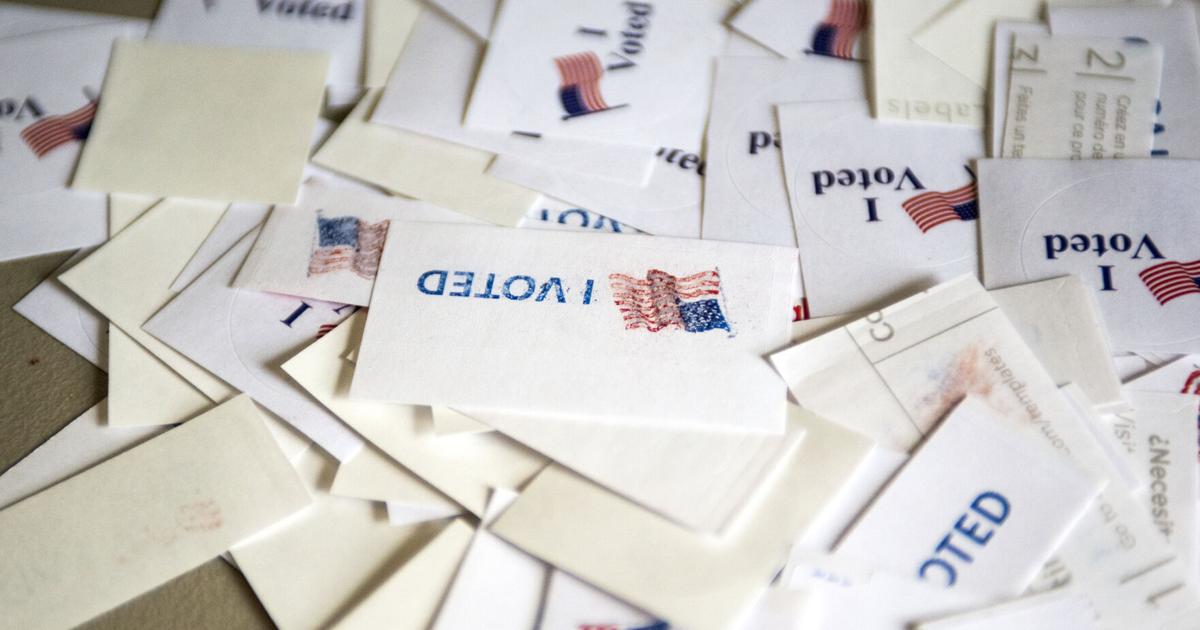
Idaho voters have decisively approved a constitutional amendment establishing English as the official language of the state, securing 58.86 percent of the vote in unofficial general election results reported by the Idaho Secretary of State’s Office. The measure drew roughly 200,000 supporting votes, while 41.14 percent of voters, translating to about 140,000 ballots, opposed the change as half of Idaho’s 44 counties fully reported results.
The amendment, originally proposed by the Idaho Legislature last year, stipulates that the English language shall serve as the official medium for the state. According to the text of the amendment, English must be used in all public proceedings, public documents, public instruction, and any other public acts of any public institution across Idaho, except where required by federal law. While state law already lists English as the official language, elevating the status to a constitutional mandate brings new enforcement questions for local institutions.
Weighing Assimilation Against Practical Exceptions
Republican Rep. Dale Hawkins, the legislative sponsor of the measure, noted that lawmakers collaborated with the Trump administration on the proposal. Following a 2025 executive order by President Donald Trump declaring English as the nation’s official language, Hawkins argued that a common language remains vital for cultural preservation.
“One of the things that unites us all as a culture, as a country, as a state, is language. And we see more and more people that are moving to the United States … And what used to be the desired effect, which was assimilation — learn the language, learn the culture, learn the history — those things have slipped away. And we don’t see assimilation anymore. And I believe that if we have a common language, then our culture will survive,” Hawkins stated in an October interview cited by idahocapitalsun.com.
Critics and legal scholars point out that the practical application of the amendment remains unsettled. Although the measure allows exceptions mandated by federal law—such as certain educational frameworks and election administration procedures—the text does not explicitly use the word “only.” University of Idaho law professor Richard Seamon previously told the Idaho Capital Sun that the lack of explicit exclusivity leaves room for debate over whether existing state-level exceptions will survive.
Those exceptions historically permitted government communication in languages other than English during urgent public health outbreaks or law enforcement operations involving missing children. Hawkins maintained that the amendment was intentionally drafted to be more restrictive than existing state statutes, arguing that exceptions should be evaluated on a case-by-case basis rather than creating broad loopholes.
Demographic Shifts and the Path to Certification
The debate unfolds against a backdrop of notable demographic changes in the region. According to statistics from the Idaho Commission on Hispanic Affairs, Hispanic residents make up about 13 percent of the state’s population. Over the past decade, the Hispanic population grew by 25 percent, outpacing the overall state population growth rate of 10 percent. Additionally, U.S. Census Bureau data shows that about 11 percent of Idahoans speak a language other than English at home, alongside thousands of refugees welcomed into the state in recent years.
Business owners, educators, and community advocates have expressed concern that ambiguity in the constitutional text could complicate daily operations, school communications, and public safety outreach in an agricultural state with a diverse population. The measure required support from at least 50 percent of voters to pass. The election results remain unofficial until the State Board of Canvassers completes its formal certification process scheduled for the coming weeks.