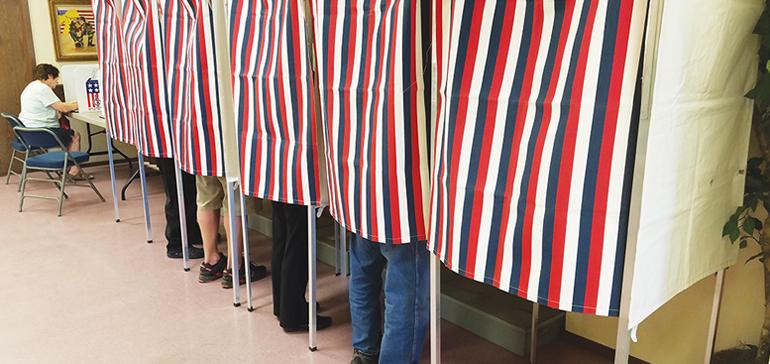
Idaho voters heading to the polls on Tuesday, Nov. 3, face a ballot that blends high-stakes constitutional battles over reproductive rights and drug legalization with hyper-local questions about sewer bonds and fire levies. From a statewide push to overturn abortion bans to a local 1% sales tax for Sandpoint streets, the upcoming election serves as a referendum on both personal autonomy and community infrastructure.
The window to act is closing fast. Early in-person voting ends at 5 p.m. this Friday, Oct. 30. For those using absentee ballots, the deadline is 8 p.m. on Election Day, with all ballots required to be delivered to the Elections Office in the County Administration building at 1500 Hwy. 2, Ste. 124, in Sandpoint. For everyone else, the polls will be open from 8 a.m. to 8 p.m. on Nov. 3, with Sandpoint residents casting their votes at the Sandpoint Community Hall, the Sandpoint Reader reported.
The Battle Over Reproductive Rights and Privacy
The most contentious item on the statewide ballot is Proposition 1, a citizens’ initiative that seeks to dismantle Idaho’s current strict abortion laws. Under the existing status quo, abortion is prohibited except to prevent the death of the pregnant woman or in documented cases of rape or incest reported to law enforcement during the first trimester.
Prop. 1 would fundamentally change the law by establishing a right to abortion before fetal viability. It also expands the “medical emergency” exception, moving beyond the current “life of the mother” standard to include “complicating physical conditions” that threaten a woman’s health, including serious impairment to bodily functions or organ dysfunction. Beyond abortion, the measure seeks to codify privacy rights for contraception, IVF, and fertility treatments, while stripping the state of the power to penalize patients or healthcare providers who exercise these rights.
Constitutional Shifts and the Power of the Ballot
While Prop. 1 represents the power of the citizens’ initiative, House Joint Resolution 4 (HJR 4) is an attempt to limit that very power. HJR 4 proposes a constitutional amendment that would give the Idaho Legislature “exclusive authority” to legalize marijuana, narcotics, or other psychoactive substances.
If passed, this would effectively kill the ability for citizens to use the initiative process to legalize these substances in the future. It creates a structural barrier where only elected lawmakers—not the voters themselves—can change the legal status of drugs in the state. A “yes” vote transfers this power solely to the Legislature; a “no” vote preserves the citizens’ right to initiate such statutes.
Adding to the constitutional changes is HJR 6, which seeks to designate English as the official state language. While Idaho statute already recognizes English as the official language, this amendment would move that designation into the Constitution. This would mandate that all public proceedings, documents, and instructions in public institutions be in English, unless federal law requires otherwise.
Rounding out the statewide list is a non-binding advisory question. Unlike the other measures, this won’t change law or the constitution; it simply asks voters to choose one of six options for the “state gun of Idaho.”
Sandpoint and Dover Propose New Local Taxes
For residents in Sandpoint and Dover, the ballot includes “local option” taxes that directly impact the cost of living and the quality of local roads. Sandpoint is asking for a 1% non-property sales tax to run from Jan. 1, 2027, through Dec. 31, 2036. The city plans to split the revenue: 75% for street maintenance and reconstruction, and 25% for sidewalks, bike paths, and pedestrian crossings.
Dover is taking a different approach, targeting tourism. They are seeking a 12% occupancy tax on hotel rooms, motels, and short-term rentals (leases of 30 days or fewer). This tax, also slated for 2027-2036, would fund capital projects, parks, and public works. Both cities have noted that any excess revenue from these taxes would be funneled into a property tax relief fund.
The financial asks extend to emergency services and utilities as well.
| District | Request | Financial Impact/Goal |
|---|---|---|
| Westside Fire District | Two-year temporary levy | $23 increase per $100k taxable value; hiring 3 firefighter/EMTs |
| Spirit Lake Fire District | Permanent levy increase | $32.70 increase per $100k taxable value; staffing and equipment |
| Coolin Sewer District | Bond Authority | Up to $8 million for wastewater treatment system work |
Whether it is the decision to fund a sewer system in Coolin or the decision to redefine reproductive rights for the entire state, the Nov. 3 election is less about candidates and more about the foundational rules of daily life in Idaho.



