John Turturro’s Unconventional Method Acting: From Pickpocketing to Personal Trauma
John Turturro, the 69-year-old actor known for his roles in films like Do the Right Thing and The Big Lebowski, recently shared insights into his latest project, The Only Living Pickpocket in New York, during an interview. The film, in which he plays a skilled pickpocket and caregiver, required him to practice sleight-of-hand techniques under the guidance of Apollo Robbins, a famed sleight-of-hand artist. “I practiced picking pockets in the production office and on the set all the time,” Turturro said. His commitment to the role extended beyond the screen, as he reflected on personal experiences that shaped his understanding of human behavior and resilience.
The Art of Misdirection and the Weight of Responsibility
Turturro’s preparation for the film involved more than just memorizing lines. He studied the mechanics of pickpocketing, noting that “horizontal pockets that are really tight with tight jeans are hard; back pockets are easier.” This attention to detail underscores his belief in immersive acting. “I really do try to take the elevator down into the sub-basement and mine everything I possibly can because I’m a student,” he said. His dedication to the craft has long been a hallmark of his career, which includes roles in O Brother, Where Art Thou? and Five Corners.
But Turturro’s exploration of morally complex characters isn’t limited to fiction. During the interview, he spoke candidly about his experience as a legal guardian for his late brother, who had schizophrenia. “I had to hire all the aides and then someone who was in charge of the aides so I could function,” he recalled. This responsibility, he said, taught him “how much I could withstand” and “how I learned to protect myself somewhat.” These personal struggles, he argued, have informed his ability to portray nuanced characters on screen.
A Childhood Shaped by Volatility and Diversity
Turturro’s formative years were marked by turbulence. He described his father’s PTSD from World War II. “I saw a lot of violence growing up and I was in the middle of it a bunch of times,” he said. This environment, he believes, honed his ability to manage diverse social dynamics.
His experiences with women, too, left a lasting imprint. “Many of these households… it was the women who were keeping everyone together,” he observed. This perspective, he said, influenced his comfort working with female collaborators and his understanding of family systems. “I realized early on… that it was the women who were the glue,” he reflected.
The Broader Implications of Turturro’s Work
Turturro’s latest role, while fictional, resonates with real-world issues. The film’s protagonist, Harry, is a pickpocket and caregiver, a duality that mirrors the actor’s own life. “I see a person who has lived a lot of life that way, and that’s me too,” Turturro said. His willingness to engage with morally ambiguous characters, he argues, reflects a broader cultural shift toward complexity in storytelling. “I love to begin something because you never know. There’s the unknown of, ‘I may fail. I may not be able to do that.’ And I find that exciting,” he added.
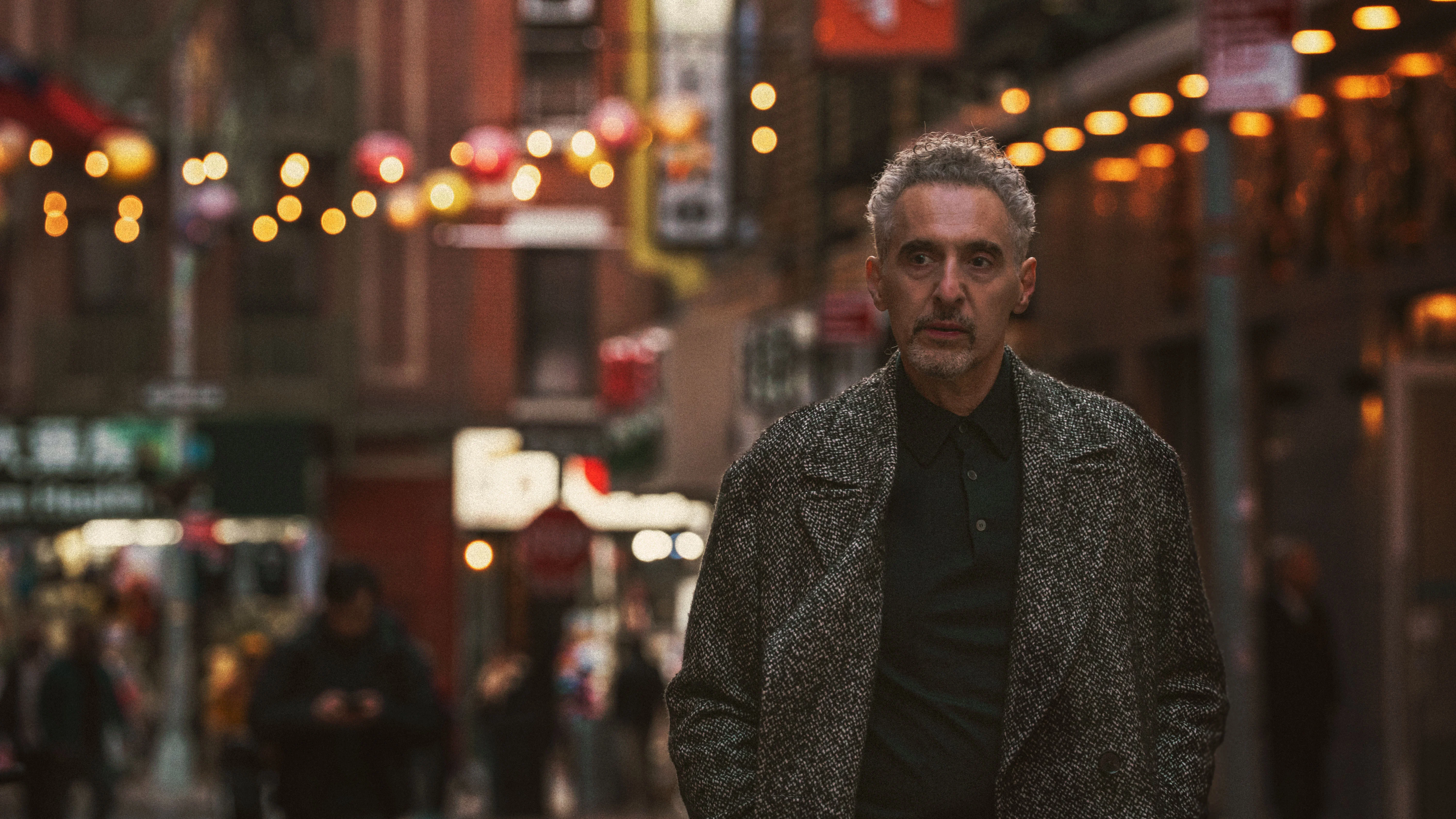
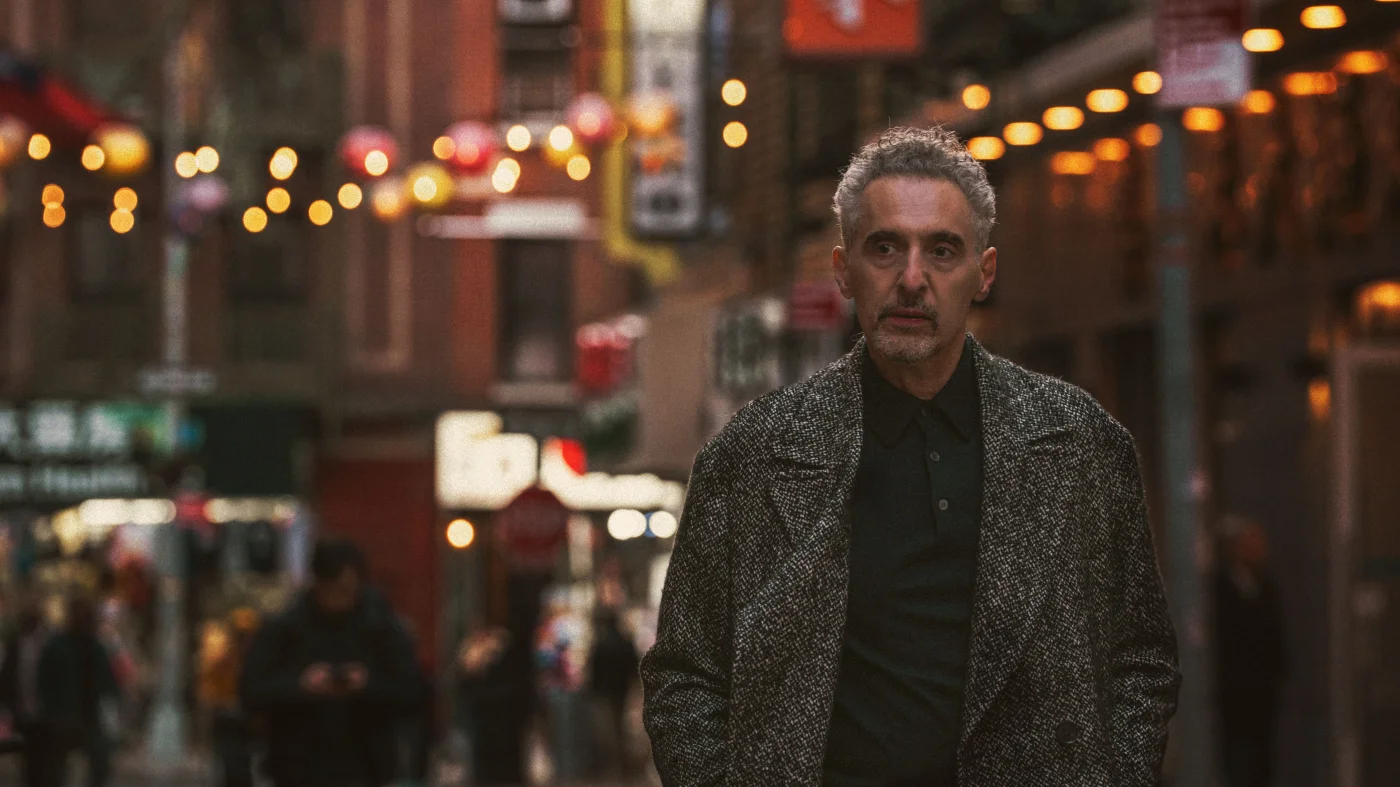
However, the film’s focus on pickpocketing invites debate over how crime is portrayed. Turturro’s approach—rooted in education and context—offers a counterpoint. “It’s like a piece of armor, sort of like a samurai robe,” he said of the overcoat he wore in the film, highlighting the symbolic weight of his performance.
Why This Matters: A Reflection on Art, Trauma, and Society
Turturro’s interview provides a window into the intersection of art and lived experience. For audiences, the film and his candid reflections offer a chance to engage with themes of vulnerability, resilience, and moral ambiguity. For caregivers and individuals facing mental health challenges, his story highlights the emotional toll of such responsibilities. “Many mentally ill people, they wind up on the streets,” he noted.
The broader implication, however, lies in Turturro’s career-long commitment to complexity. At 69, he continues to challenge himself, proving that aging can bring depth rather than limitation. “I try to stay in shape and keep my memory sharp,” he said. “You’ve experienced so many things. And I feel very rich in that way right now.” His work, both on and off screen, highlights the human stories behind the roles we watch.
Turturro’s journey—from pickpocketing rehearsals to personal trauma—highlights the intricate dance between art and reality. For viewers, the film and his interview offer not just entertainment, but a deeper conversation about the forces that shape our lives.