U.S. District Judge Loren AliKhan blocked the Federal Communications Commission on Wednesday from pursuing an early review of broadcast licenses held by Walt Disney Co.-owned ABC, ruling that the agency’s actions violated the First Amendment.
“This is not a close case,” AliKhan wrote in her 45-page opinion, issuing a preliminary injunction that halts the regulatory proceedings against the eight owned-and-operated local television stations.
- Judge Loren AliKhan issued a preliminary injunction on November 25, 2026, stopping the FCC’s early license review.
- Disney sued the federal agency in August over the review of eight local ABC station licenses.
- The judge found robust circumstantial evidence that the FCC retaliated against the network for disfavored speech.
Court Finds Agency Justification Pretext for Application Order
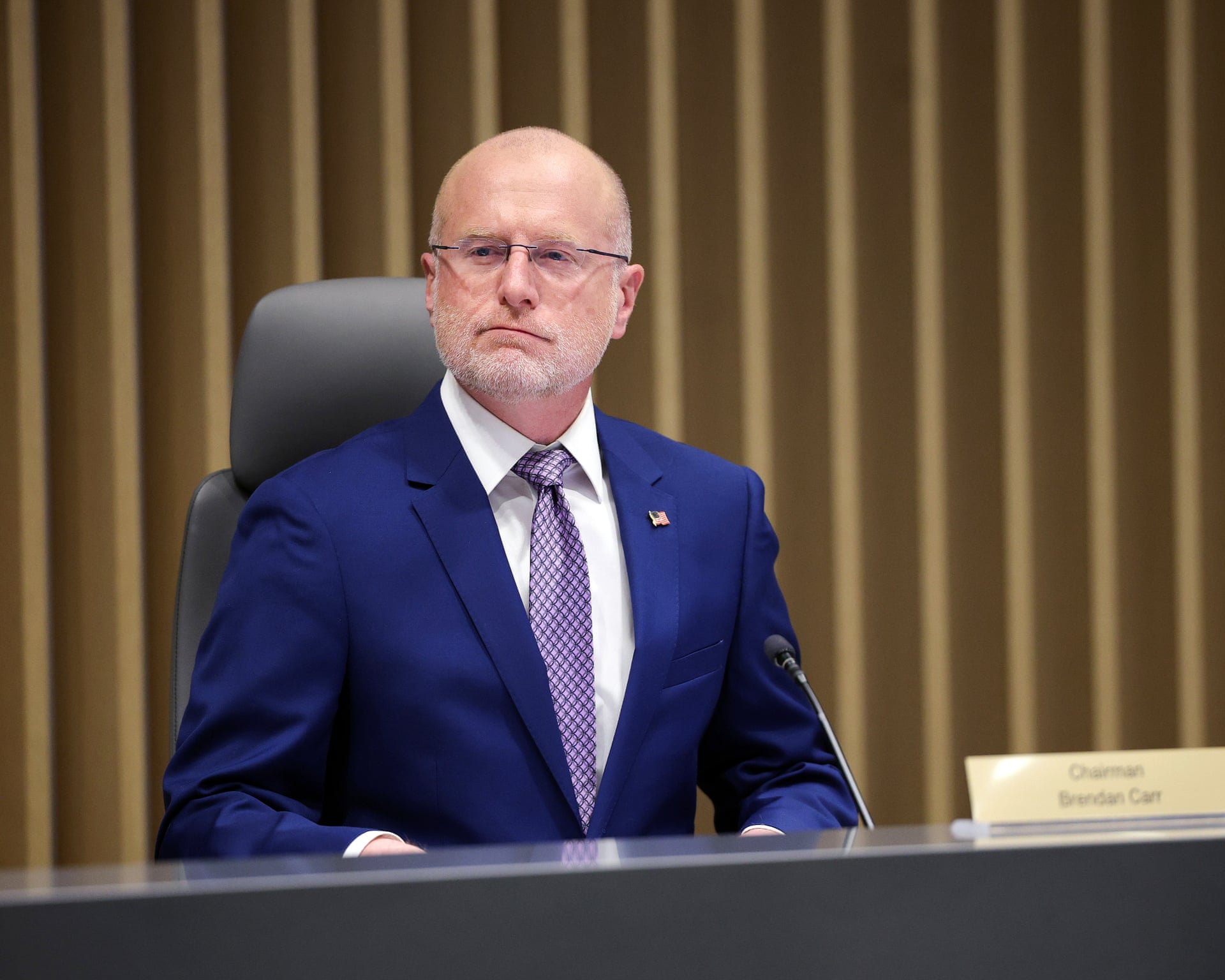
The legal battle began after FCC Chairman Brendan Carr ordered the network’s owned stations to submit early renewal applications in April. While the agency maintained that the documents were needed for an ongoing Diversity, Equity and Inclusion investigation, the court found the stated justification to be a pretext.
BREAKING: Judge AliKhan has barred the FCC from continuing to take steps that threaten ABC's broadcast license, saying the agency appears to be carrying out a retaliatory campaign driven by President Trump. "This is not a close case," the judge says.https://t.co/RslgWeLrPB pic.twitter.com/vA1hKx8YtQ
The judge noted that the regulatory crackdown followed public criticism from President Donald Trump regarding late-night host Jimmy Kimmel and news coverage from the network. AliKhan pointed to at least 11 public calls from the president over the past two years demanding that the agency strip broadcasters of their licenses for unfavorable reporting.
Chairman Carr has taken President Trump’s rhetoric as his marching orders.
U.S. District Judge Loren AliKhan, via NPR
The court observed that the timeline of events showed a direct link between presidential complaints and regulatory enforcement. The FCC initiated the early license reviews just one day after Trump criticized a Kimmel comedy skit on social media.
Democratic commissioner Anna Gomez previously accused the commission of executing a coordinated control campaign and described the sudden licensing demands as the regulator’s most severe assault on free expression to date.
In legal filings, the administration argued the lawsuit was premature because the agency had not yet finalized its review, but AliKhan rejected the argument and denied the Department of Justice request to dismiss the challenge. The judge observed that President Trump had targeted the network for years before the agency initiated the review.
NEWS: A federal court has stopped the FCC from continuing it's censorship campaign against ABC. This brings badly needed accountability to a Commission and an administration that have politicized the machinery of government in a sustained campaign of censorship and control. 🧵 pic.twitter.com/Rf1SdMdxhJ
Impact on Editorial Independence and Daily Broadcasting
The lawsuit highlighted how the extraordinary review process altered editorial decision-making across the network. Disney attorneys argued during an October hearing that the agency’s swift move functioned like a guillotine blade hanging above the company, forcing broadcasters to second-guess their programming.
Fearing regulatory retaliation and the potential loss of broadcast licenses that were otherwise not due for renewal until between December 2028 and August 2031, ABC executives adjusted their operations. The network chose to livestream a July Oval Office presidential address on a streaming platform rather than the main television channel, and producers of The View stopped inviting political candidates as guests during the election season.
Reporters Committee President Bruce D. Brown: "As the court recognized, this is 'not a close case.’ But it is also a novel case forced on ABC because of the administration’s punitive actions and therefore all the more important that the federal judiciary stepped in to vindicate…
Given the extreme, indeed existential, nature of the possible penalty Plaintiffs face — loss of their broadcast licenses — the court concludes that early license renewal proceedings create a risk sufficient to chill a broadcaster of ordinary firmness.
U.S. District Judge Loren AliKhan, via NPR
The injunction provides immediate relief for the stations affected by the dispute, which include affiliates located in Durham, North Carolina, Chicago, Houston, Los Angeles, San Francisco, New York, Philadelphia, and Fresno, California. While the judge denied a broader request from the network to restrict all informal agency threats, the order successfully bars the commission from continuing its expedited review while the lawsuit proceeds.
Chilling Effects on Programming
Disney lawyers argued during court proceedings that the regulatory pressure had already forced the network to alter how it evaluated potential guests for daytime talk shows like The View.

Producers weighed whether hosting a political candidate could later provide the Commission with grounds to deny broadcast license renewals. Network operations also shifted when producers moved James Talarico’s guest appearance on Jimmy Kimmel Live onto YouTube to keep the broadcast outside of direct agency oversight.
U.S. District Judge Loren AliKhan noted in her opinion that these specific adjustments to editorial decision-making demonstrated how the Commission’s proceedings had already curtailed protected activities. The judge pointed out that the network temporarily suspended Kimmel’s show for five days shortly after Carr issued an ultimatum stating that the parties could handle the matter either the easy way or the hard way.
Siding with Disney in a dramatic First Amendment case, a federal judge has barred the Trump administration from taking further action against ABC’s local TV stations >>> https://t.co/AoNmYwdjp7
Defending Broadcast Licensing Authority
Government attorneys maintained that the agency was within its rights to investigate broadcasters over compliance with anti-discrimination rules after receiving insufficient responses to information requests.
An FCC spokesperson defended the commission’s position by stating that the preliminary injunction was wrong on both the facts and the law according to controlling Supreme Court precedent. The agency stated that it intends to continue using its lawful authority to hold broadcasters accountable to public interest obligations.

Legal representatives for the regulatory body urged the court to dismiss the lawsuit, arguing that the network attempted to prematurely block federal oversight before any final determinations were made. Judge AliKhan acknowledged that no one doubts the Commission may enforce the law as it sees fit, but emphasized that officials may not retaliate against license holders for disfavored speech.
Network Representatives Welcome Court Victory for First Amendment
Network representatives welcomed the judicial intervention. ““Today’s decision is an important victory for the First Amendment,”” an ABC News spokesperson said in a statement, thanking the court for its careful review.
NEW: A federal judge blocked the FCC from retaliating against ABC for its First Amendment-protected speech. "This is a big win not only for ABC, but for all broadcasters," said @rcfp President Bruce D. Brown. Read his full statement: https://t.co/YXrjqqLFjL
Anna M. Gomez, the lone Democratic commissioner at the FCC, also praised the outcome. ““For nearly two years, the agency has weaponized its licensing authority to retaliate against broadcasters for exercising their right to free expression, and now a federal court has stepped in to put a check on that conduct,”” Gomez said, urging other media organizations to take note of the ruling.
Meanwhile, the regulatory agency disagreed with the decision. An FCC spokesperson maintained that the ruling was incorrect on both the facts and the law, adding that the commission “looks forward to prevailing in full” as the litigation continues through the federal court system.