Fuel Prices Collide With Kansas Senate and Governor Races as Campaigns Clash Over Refining Capacity and Foreign Conflicts
Rising gasoline and diesel prices have taken center stage in Kansas political campaigns ahead of the November 3, 2026, election, with candidates for the U.S. Senate and governor locked in intense disputes over the underlying economic drivers. Vice President JD Vance pointed the finger squarely at Middle Eastern leaders and Democratic energy policies during a Tuesday campaign stop in Topeka, Kansas, where he rallied support for Republican U.S. Sen. Roger Marshall.
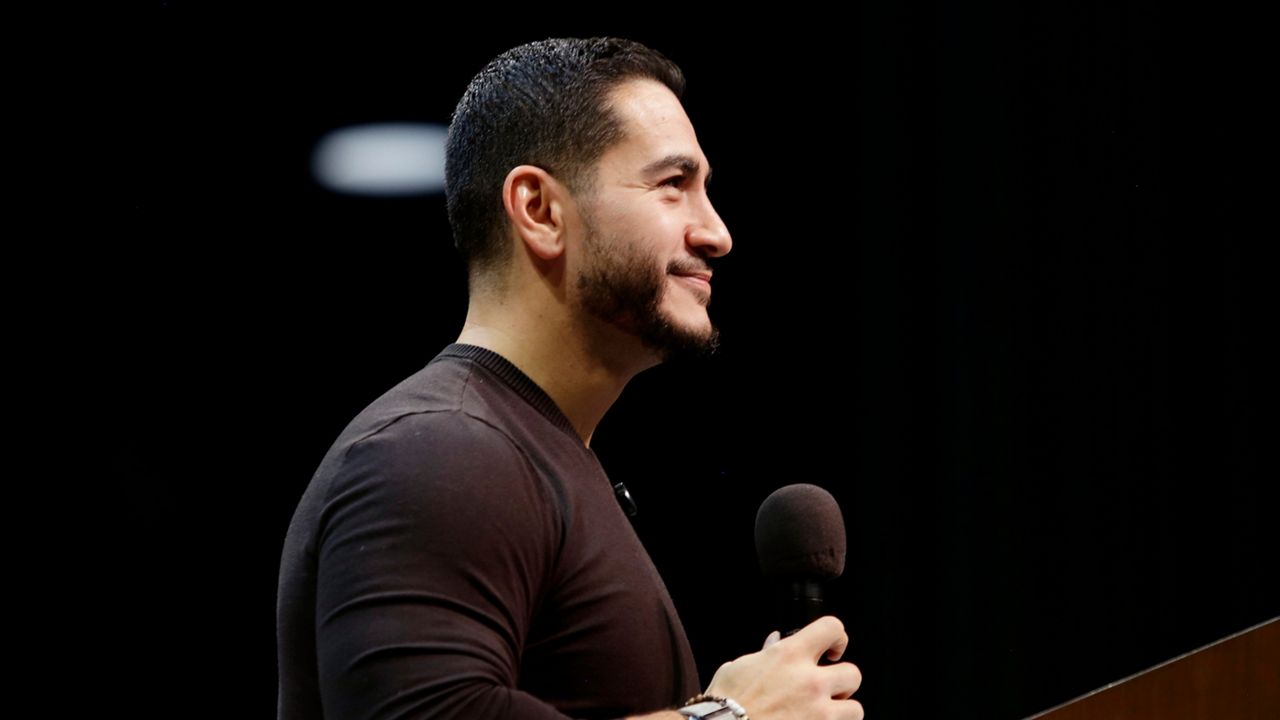
Marshall is locked in a competitive race against Democratic challenger Adam Hamilton. According to reporting by the Kansas Reflector, Vance argued that high fuel costs stem from international instability and a 20% loss of refining capacity on America’s West Coast during the Biden administration. Vance also criticized Democratic proposals for the Green New Deal, characterizing them as a threat to traditional fossil fuel reliance.
“They talk about affordability, but they are the ones supporting the green new scam,” Vance told the Topeka crowd. He added that domestic consumers bear the brunt whenever foreign leaders in the region grow volatile.
Dueling Explanations for Surging Diesel Costs
Sen. Marshall offered a multi-layered economic defense, asserting that the primary driver of diesel prices is Ukraine’s ongoing defense against the 2022 Russian invasion, compounded by decades of stagnant domestic refinery development. Marshall noted that the United States has not built a new refinery since 1978 and has lost 90 refineries since 1990.
“The real problem with the cost of diesel in particular is, No. 1, the Ukraine war,” Marshall said. “Beyond that, why are we dependent upon diesel imports? It’s because of the Green New Deal policy that my opponent supports.”
Marshall maintained that ending the conflict in Ukraine would immediately lower domestic fuel prices, warning that a Democratic majority in Congress would block consumers from experiencing those financial reliefs.
Democratic nominee Adam Hamilton countered this narrative by linking the spike in fuel costs directly to federal foreign policy decisions under the Trump administration, specifically pointing to the military conflict with Iran. Hamilton noted that before the United States attacked Iran in February, diesel cost about $3.62 per gallon, but climbed to $6.53 per gallon by September. That escalation forced Kansas farmers to spend an extra $83 million during the spring planting season alone.
“This happened in response to the war in Iran that didn’t need to happen,” Hamilton said. “It’s an unnecessary war. This is why the prices went to record highs, and Roger Marshall supported that.”
Hamilton also criticized the administration’s decision to drop economic sanctions against Russia to allow diesel imports into the United States, calling it a disaster that undermines allies in Ukraine.
The Ripple Effect Into the Kansas Governor’s Race
These energy and affordability debates have spilled directly into the race for Kansas governor. Republican nominee Ty Masterson, who endorsed the U.S. attack on Iran, addressed voters during a recent forum in Baxter Springs, identifying fuel prices as part of a broader cost-of-living squeeze alongside property taxes, housing, and groceries.
“The big problem with diesel prices is not Iran,” Masterson said, pointing instead to a half-century drought in domestic refinery construction. “We haven’t built a refinery in this country in 50 years. We have a bottleneck in refinement and that is legacy policy.”
Democratic gubernatorial nominee Cindy Holscher countered that Kansas families are shouldering an extra $4,700 annually in fuel and essential goods due to tariffs and the conflict with Iran.
“Ty Masterson has championed the war in Iran that sent diesel prices skyrocketing, and now he is lying to rural Kansans about why they are paying so much at the pump,” Holscher said.
Following a campaign poll showing the gubernatorial race deadlocked at 47% to 47%, alongside an infusion of about $1.5 million in new data center industry contributions to Masterson’s campaign, the nonpartisan Cook Political Report shifted its prediction for the Kansas governor’s contest from lean Republican to a toss-up.