Manchester United’s Management Paralysis Hits a New Low
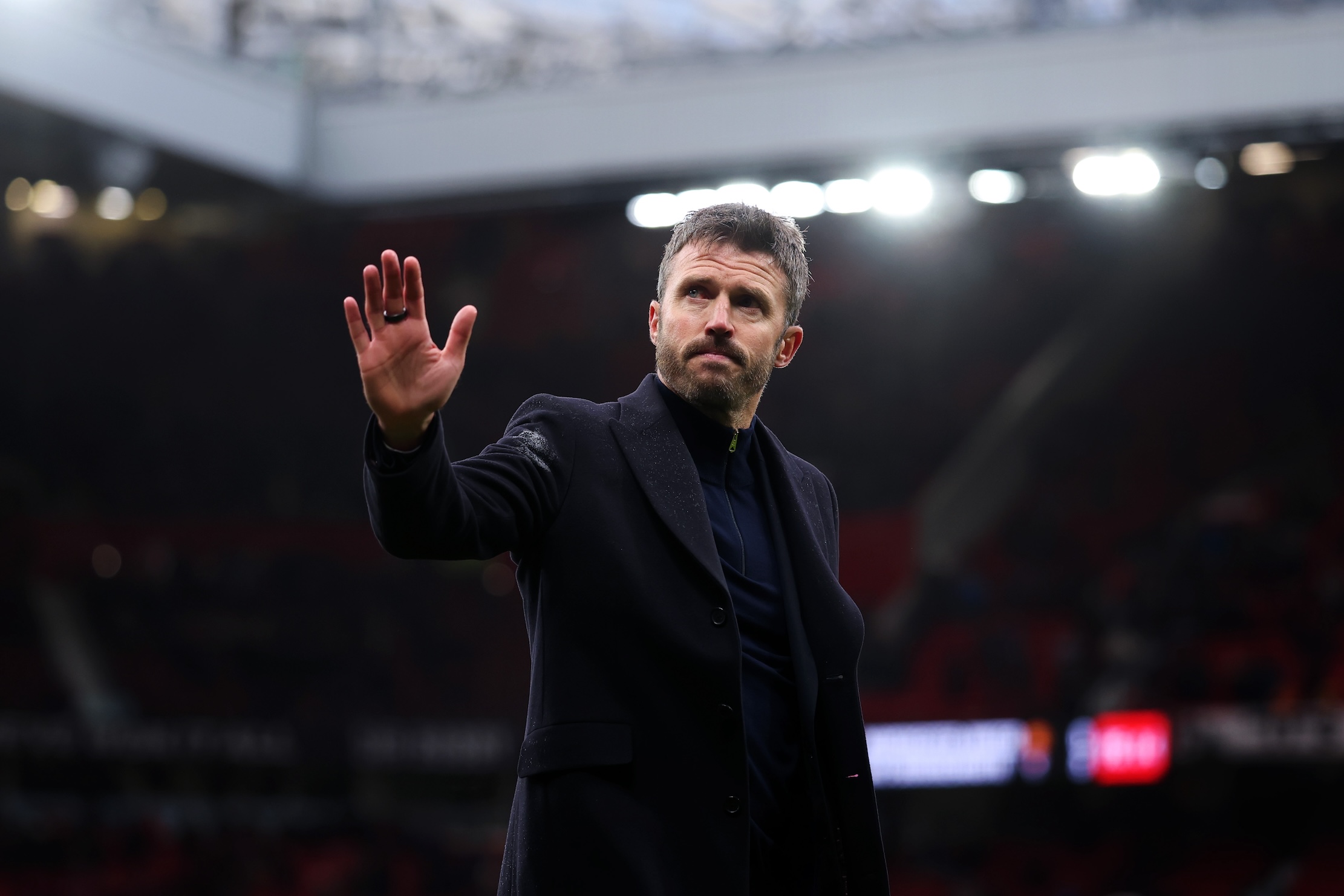
Manchester United is currently operating in a state of profound institutional dysfunction, leaving head coach Michael Carrick’s future in a state of suspended animation. As of October 30, 2026, the club sits 16th in the Premier League—a precarious position just one point above the relegation zone. While the sports world often treats a “manager under fire” narrative as a standard rhythmic beat in professional football, the situation at Old Trafford has devolved into something far more chaotic. According to reporting from defector.com, the club’s leadership has effectively spent the last several days paralyzed by the fear of fan blowback, unable to commit to a decision that most observers view as inevitable.
The stakes for Saturday’s 8:30 a.m. ET kickoff against Chelsea are unusually high, not just for the points on the table, but as a potential breaking point for the club’s leadership. The current instability follows a series of disastrous results, including a 4-1 Champions League defeat to Como and a 3-0 loss to Bournemouth. These matches have extended a winless streak that dates back to a victory over Sabah of Azerbaijan—a club that, in European terms, represents the absolute bottom of the competitive barrel.
The Disconnect Between the Stands and the Boardroom
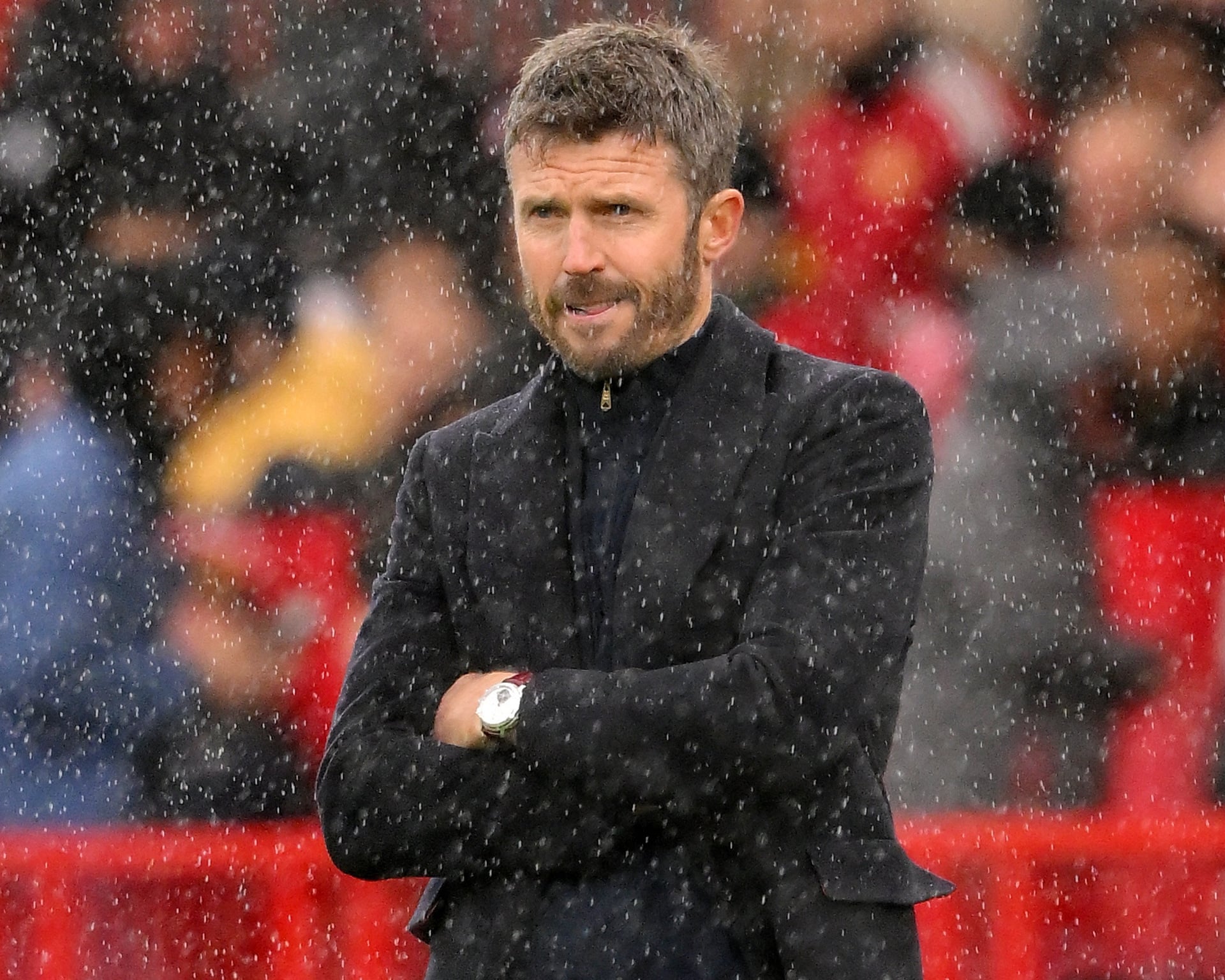
The tension at Manchester United is uniquely compounded by the fan base’s relationship with Carrick. Unlike typical scenarios where a struggling manager faces universal calls for their departure, United’s supporters have largely directed their ire toward the players and the front office. The Guardian reported that Carrick was spotted at the Carrington training ground on Monday afternoon, arriving to oversee an under-21s match while director of football Jason Wilcox and CEO Omar Berrada deliberated his fate. The fans, meanwhile, have shown a paradoxical loyalty to the former player, even while the club’s management—described by defector.com as a collection of “grifters, gasbags, and knotheads”—struggles to navigate the optics of a potential firing.
This internal friction was further highlighted by captain Bruno Fernandes. Following the Bournemouth defeat, where Fernandes was dropped for what Carrick termed “pure football reasons,” the midfielder took to social media to signal his frustration. Fernandes liked an Instagram post stating, “Never push a loyal person to the point where they no longer care,” a clear shot across the bow of the club’s current management structure.
A History of Managerial Churn
Manchester United’s current crisis is the latest chapter in a decade-long cycle of instability. Since the departure of Sir Alex Ferguson in 2013, the club has cycled through an extraordinary number of coaches, including David Moyes, Louis van Gaal, José Mourinho, Ole Gunnar Solskjær, and Erik ten Hag. The club’s tendency to hire and fire with such frequency has created a reputation for organizational chaos that persists regardless of the massive revenue the institution continues to generate. Defector.com notes that the club has burned through a new coach roughly every 13 months for nearly a decade and a half, a rate of turnover that has left the team’s identity fractured.
If the board does eventually pull the trigger on Carrick, they have already begun vetting successors. The Guardian reports that Eddie Howe remains the preferred candidate for Wilcox, with preliminary contact already established. Other names, including Julian Nagelsmann and Antonio Conte, have surfaced in discussions, though the financial implications of such moves—particularly the £20m compensation that would be required for managers like Unai Emery—weigh heavily on the decision-making process.
Chelsea Clash Highlights Wider Premier League Managerial Instability
The match against Chelsea serves as a grim reflection of the wider Premier League landscape, where job security has become a luxury. Chelsea itself has seen 16 different managers in the same 13-year period that has plagued United. For the neutral observer, the Saturday morning clash is less about the technical merits of the game and more about the “Manchester Shame Spa”—a term coined by defector.com to describe the consistent, high-profile failure of one of the world’s most recognizable sports brands. Whether this match results in a reprieve or a final collapse for Carrick, the underlying issue remains: an organization that has failed to build a sustainable structure since the end of the Ferguson era.
The broader impact of this dysfunction is felt by the club’s global fan base, who are forced to reconcile their historical attachment to the “United” brand with the reality of a team that has spent 13 years in a state of competitive decline. As the club’s owners, Ineos, reportedly look to divest other assets like FC Lausanne-Sport, questions regarding the long-term vision at Old Trafford remain unanswered, leaving both the players and the supporters in a state of constant, anxious uncertainty.


