West Central Nebraska Shifts Out of Severe Drought
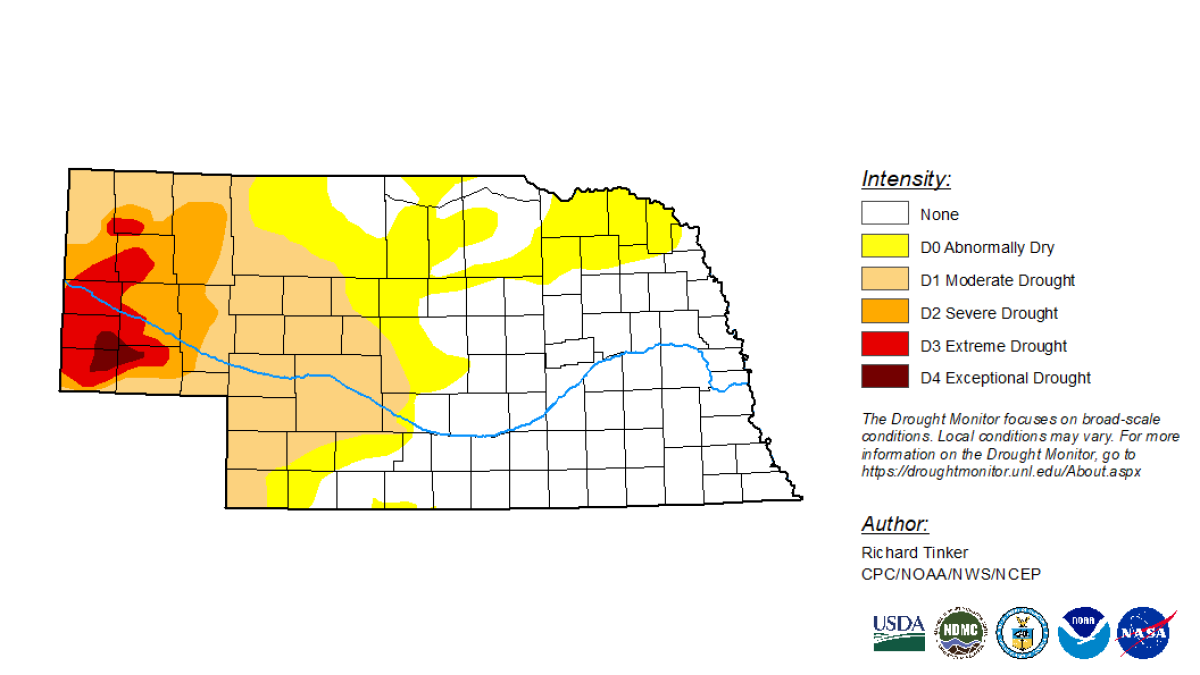
For residents and agricultural producers in west central Nebraska, the latest update from the U.S. Drought Monitor brings a tangible sense of relief. As of October 29, 2026, severe drought—categorized as D2—has been officially removed from a significant geographic corridor stretching from Lincoln County westward to Garden County. This shift marks a notable improvement for a region that has spent months grappling with the economic and environmental pressures of sustained water deficits.
Recent weather patterns provided the necessary catalyst for this change. The impact is localized but profound, with Buffalo, Adams, and Hall counties now being classified as entirely drought-free.
The Statistical Shift in Statewide Conditions
Nebraska's economy is recovering steadily, though the pace varies by region. Total drought coverage across the state dipped to 54 percent this week, a decline from the 61 percent recorded just seven days prior. Perhaps more significant is the reduction in the most intense drought categories. The total coverage of D2 (severe) through D4 (exceptional) conditions dropped from 20 percent to 12 percent, signaling that while the state is not out of the woods, the most critical threats to soil moisture and reservoir levels are beginning to subside.
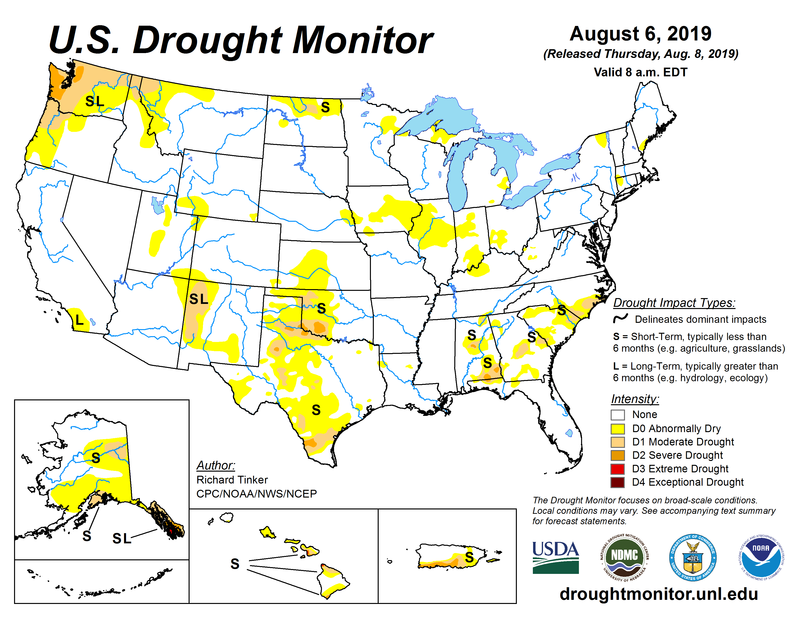
The U.S. Drought Monitor noted that this progress was not limited to Nebraska alone. Their High Plains update highlighted widespread, one-category improvements across the southern half of the region, including northeastern Colorado, central through northeastern Nebraska, and southeastern South Dakota.
“Excessive precipitation and areas of flooding were reported across much of central and southern Colorado last week, with at least moderate amounts (over 0.5 inch) common from the western half of Kansas northward through most of Nebraska and South Dakota,” the U.S. Drought Monitor stated in their latest assessment. “One-category improvements were widespread across the southern half as well as northeastern Colorado, along with central through northeastern Nebraska and southeastern South Dakota.”
The Lingering Reality in the Panhandle
While northern Custer and Valley counties saw the rollback of “abnormally dry” (D0) conditions, a persistent pocket of extreme (D3) and exceptional (D4) drought remains stubbornly entrenched across parts of the Nebraska Panhandle. The Drought Monitor explicitly noted that in these areas, “dryness and drought did not change significantly enough to support improvements.”
For the agricultural sector, the distinction between a D2 and a D4 classification is the difference between manageable stress and systemic failure. Farmers and ranchers in the Panhandle continue to face the brunt of these conditions, where the lack of deep-soil moisture remains a primary concern for winter wheat planting and long-term rangeland health. While the removal of severe drought in western central regions provides a buffer for some, the disparity between the recovering central counties and the still-parched Panhandle highlights the localized nature of High Plains weather.
The current hydrological status remains a critical indicator for the region’s economic health, as USDA reports have historically shown that drought-related yield volatility in Nebraska can ripple through the national commodity markets. As the state moves into the late-autumn months, the primary question for producers is whether this October moisture has sufficiently recharged the soil profile to sustain crops through the winter, or if the lingering D3 and D4 conditions in the west will necessitate continued water-use restrictions into the next growing season.