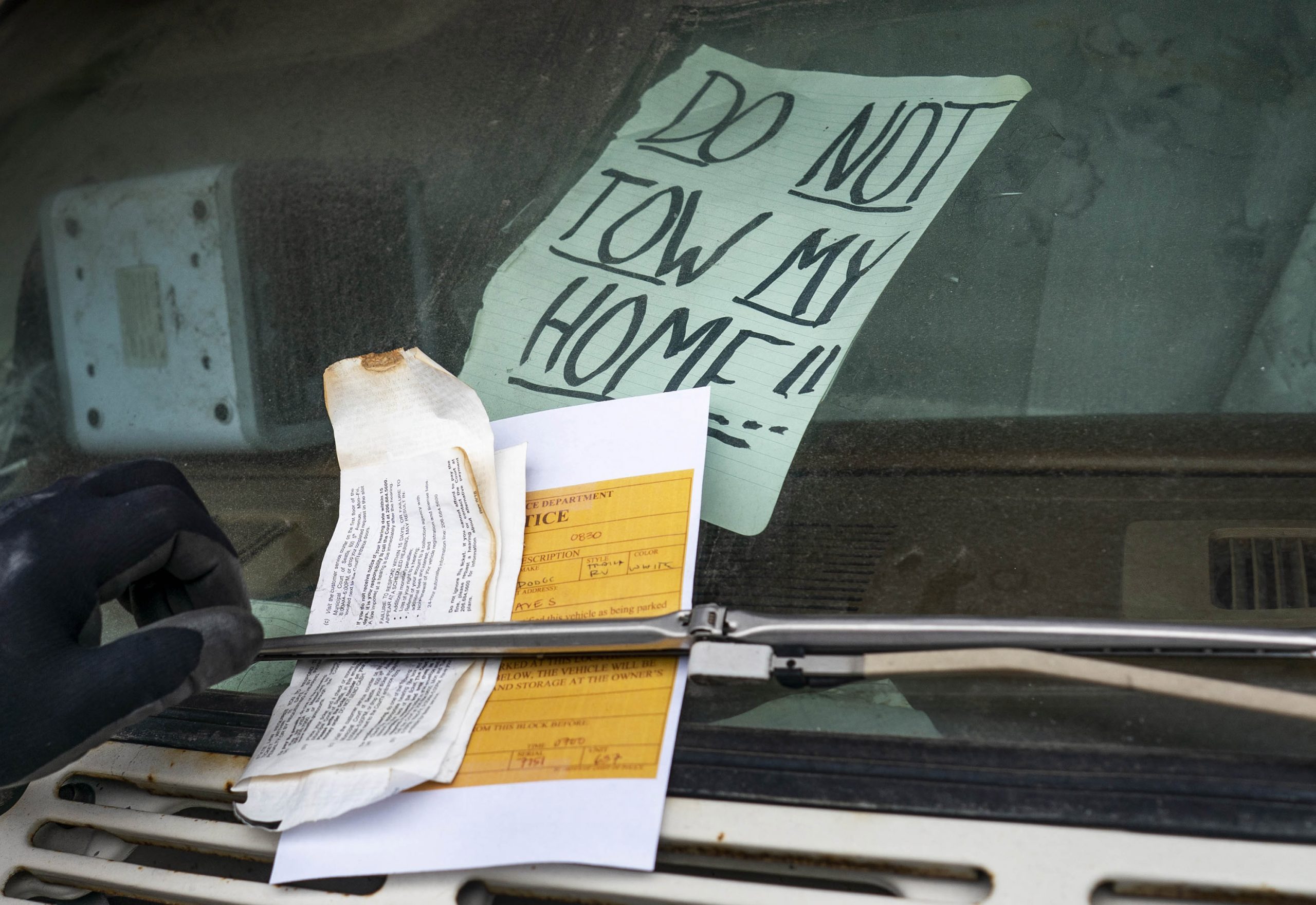
Voters across New Hampshire head to the polls on November 3 to decide a ballot initiative that would establish a mandatory tax cap on every public school district in the state. If approved by a three-fifths majority of local voters, the measure will tie school district budget increases directly to the Consumer Price Index, introducing strict administrative spending limits and reshaping local school funding.
The ballot question arrives as New Hampshire school districts grapple with severe budget shortfalls. In September 2026, the town of Milton discovered a $2.5 million hole in its school district budget. Nearby, the Farmington School District cut teaching positions during the 2025–2026 academic year to manage a growing deficit, while Claremont schools reduced staff and students held car washes to raise funds.
Supreme Court Rejects Constitutional Challenges to Forced Tax Cap Ballots
State lawmakers placed the question on local ballots through legislation signed by Republican Governor Kelly Ayotte in 2025. House Bill 1300 automatically forces a tax cap question onto municipal ballots across the state during the 2026 and 2028 elections. Opponents challenged the law on constitutional grounds and argued the ballot language was difficult to understand, but the New Hampshire Supreme Court rejected those challenges.
The state supreme court itself faced significant turnover and scrutiny leading up to the vote, following the resignation of the chief justice in September over an ethics violation. Meanwhile, the broader question of educational adequacy remains tied up in the courts. A 2026 superior court ruling found that the state had failed to fulfill its constitutional duty to adequately fund public schools. Attorney General John Formella is currently appealing that decision to the state supreme court, where he is also seeking to overturn a landmark 1993 ruling that established the state’s obligation to provide fair public school funding.
Local Control Versus State Caps
The push for a statewide tax cap departs from New Hampshire’s traditional reliance on local property taxes and town meetings. Data from the National Education Association shows that in the 2024–2025 academic year, New Hampshire ranked fiftieth in the share of state revenue contributed to public schools, providing 28 percent while local communities covered the rest.
Critics contend that linking spending limits to the Consumer Price Index fails to account for the actual, volatile costs of running a school district, such as heating oil and special education mandates.
Right now if the tax cap passes, the oil bill is $51,000 and the anticipated budget for special education is $500,000. In order to come up with that amount, we are looking at losing twelve teachers. We only have twelve teachers at the elementary school. Who’s going to be left to teach?
That assessment comes from Marianne Doanne, a Milton teacher of more than forty years and president of the local teachers association. Doanne and other educators warn that non-salary expenses like fuel and mandated services will crowd out core instruction if overall budget growth is artificially capped.
In Franklin, where a local tax cap has been in place since the 1980s, teachers union leader Jennifer Weaver says the restriction has hindered staff recruitment and retention over decades. Down the road, Farmington school administrator and teacher Kimberly McGlinchey points out that tying spending caps to the Consumer Price Index ignores the rapid inflation of fuel, food, and classroom materials.
The outcome on November 3 will determine whether those local financial controls expand to every district in the state, permanently altering how New Hampshire communities fund and manage their public schools.