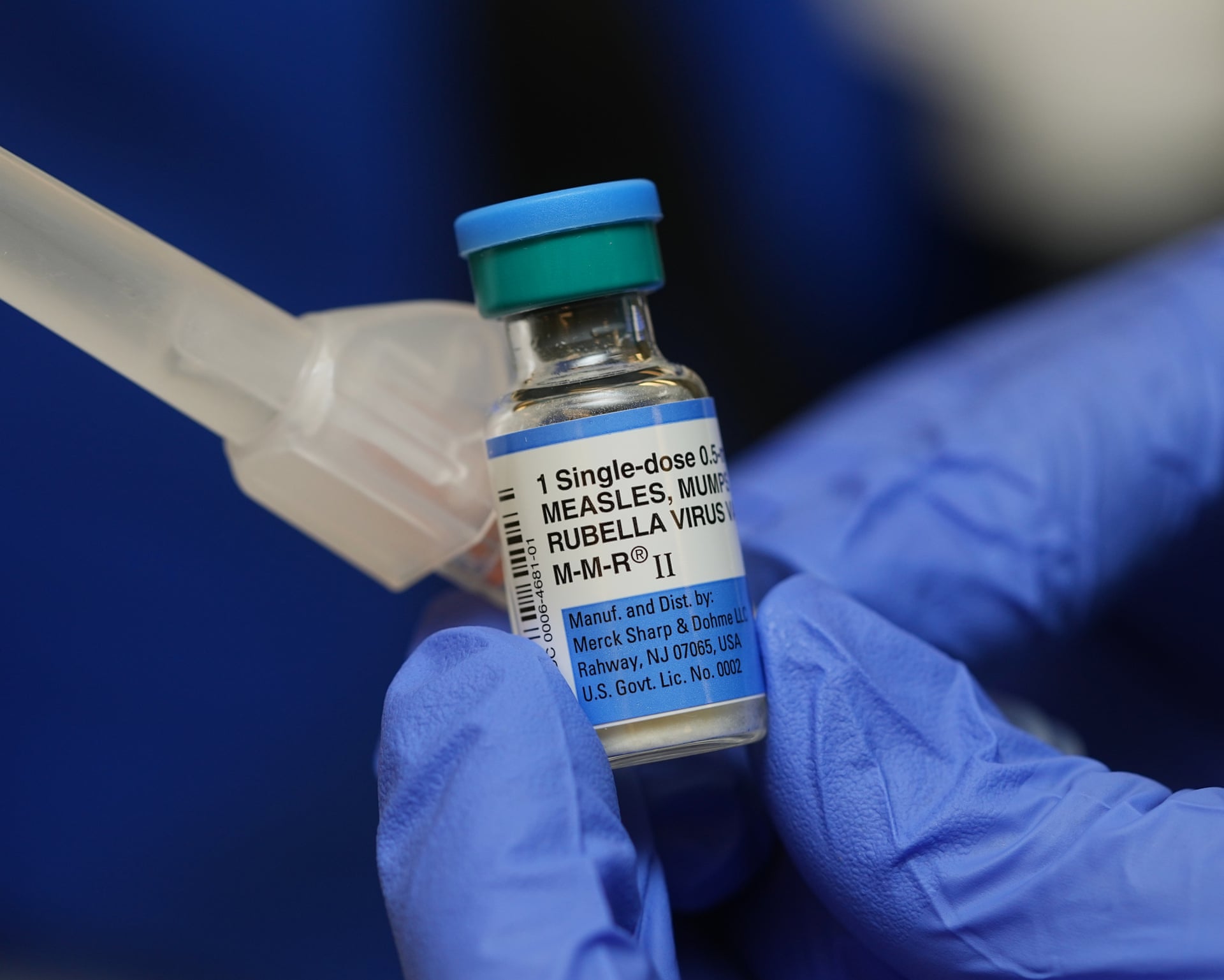
A child living in rural Lewis County, roughly 93 miles north of Syracuse, has died after contracting measles. New York Governor Kathy Hochul announced the fatality on Monday, marking the first death from the viral disease in the state in 30 years.
A 30-Year First for New York
Measles is a highly contagious virus that can cause serious health complications. Deaths occur in approximately one to three patients per 1,000 cases.
The United States stopped the domestic spread of measles in 2000 by maintaining high vaccination rates. However, coverage has fallen in recent years to below the 95% coverage needed to prevent outbreaks.
Hochul Blames Washington Policies for Child Death
Governor Hochul linked the child’s death directly to national policy shifts.
The tragedy serves as a devastating reminder of what happens when Washington erodes decades of progress protecting Americans from preventable illnesses, she stated.
While state health departments have documented higher figures, the Centers for Disease Control and Prevention (CDC) has verified three US measles-related deaths this year. Pennsylvania health officials have independently reported six deaths in 2026.
State Declares Emergency as Cases Double
In response to mounting case numbers, Hochul declared a disaster emergency in early October.
That executive order widened the pool of people authorized to administer measles vaccines to include paramedics and midwives. It also allowed nurses to join doctors in ordering testing.
Across the country, the CDC reported 4,588 cases of measles as of late October. That figure is more than double the total tally recorded for 2025.
Federal Policy Changes Under Scrutiny
Pennsylvania alone accounted for 1,338 cases on that same day. Large outbreaks were also reported in South Carolina and Utah, both exceeding 500 cases.
Criticism has been directed at Robert F Kennedy Jr, leader of the US department of health and human services (HHS), regarding his remarks on specific inoculations, alongside sweeping overhauls to immunization guidelines that reduced childhood vaccine recommendations by 33%.