Infants born to mothers living in south-east Louisiana neighborhoods burdened by high levels of industrial toxic pollution face a significantly elevated risk of severe congenital heart defects, according to a peer-reviewed study published in the journal Environmental Health.
The research examined medical records for 454 infants hospitalized at the two major Louisiana medical centers capable of performing surgeries for pediatric heart defects: Manning Family Children’s Hospital and Ochsner Children’s Hospital in New Orleans. Researchers traced the residential addresses of the mothers and utilized the U.S. Environmental Protection Agency’s risk-screening database to map local exposure to 20 toxic industrial air pollutants, including benzene, formaldehyde, and toluene.
The analysis revealed a distinct dose-response relationship. Compared to infants from low-pollution parts of the region, newborns from designated toxic hotspots faced odds of developing congenital heart defects that were 4.3 times higher. For infants residing in areas with intermediate levels of pollution, the odds were 3.1 times higher.

Researchers Analyze Infant Cardiac Defects in New Orleans
The study focused specifically on children born between 2018 and 2021 who were treated in the New Orleans area. To isolate the potential impact of environmental toxins, the research team excluded cases involving maternal smoking, alcohol consumption, or diabetes. Out of the 454 total infant cases analyzed, 194 involved severe cardiac defects and 38 of the infants died during the study’s timeframe.
Kimberly Terrell, a research scientist with the Environmental Integrity Project and lead author of the study, noted that the developmental impacts of industrial emissions manifest from relatively short exposures early in pregnancy. “When we think of really serious health effects, we think about cancer and COPD that come from long-term exposures, but developmental impacts come from pretty short exposures,” Terrell said. “We know that early in pregnancy is the critical window of heart development and also development of other body systems, so you have this pretty narrow three-month window where it’s really critical to reduce these exposures.”
Kelly Gajewski, a pediatric cardiologist at Manning Family Children’s Hospital and professor at Louisiana State University Health Sciences Center, treated several of the infants included in the study. Gajewski observed that while modern surgical techniques can save lives, surviving children often require specialized lifelong care and face elevated risks of heart failure, learning disabilities, and mental health disorders. According to data from the Centers for Disease Control and Prevention (CDC), a baby is born with a heart defect every 15 minutes in the United States, and roughly 15% of infants with critical heart defects do not survive their first year.
Industry Representatives Dispute Link Between Facility Operations and Birth Outcomes
The region under study spans a 184-mile industrial corridor along the Mississippi River from Baton Rouge to the Gulf of Mexico—an area heavily populated by petrochemical facilities. Louisiana consistently records some of the highest rates of infant mortality and industrial emissions nationwide.
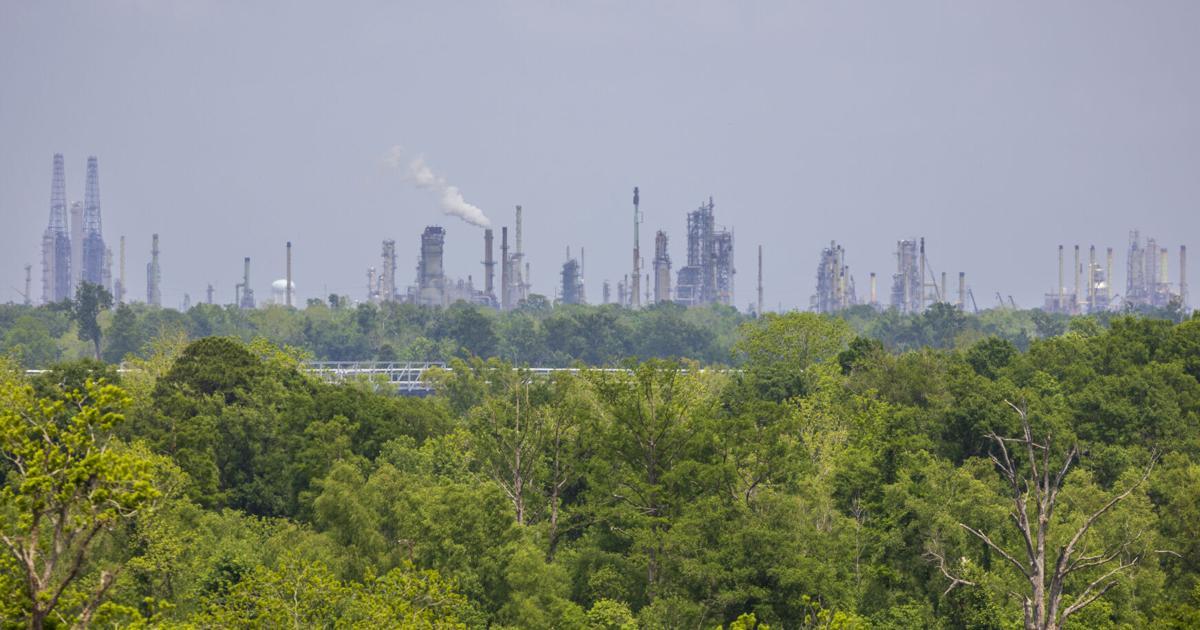
Industry representatives disputed the direct link between facility operations and adverse birth outcomes, pointing to broader statistical variables. David Cresson, president of the Louisiana Chemistry Association, stated that member facilities prioritize community health while driving modern healthcare innovations. “Health is a complicated and nuanced issue with many contributing factors. It’s important that we consider all of them when evaluating research such as this,” Cresson said.
State agencies did not respond to the findings. The Louisiana Department of Health did not respond to multiple requests for comment regarding the study, while the state Department of Environmental Quality declined to comment.