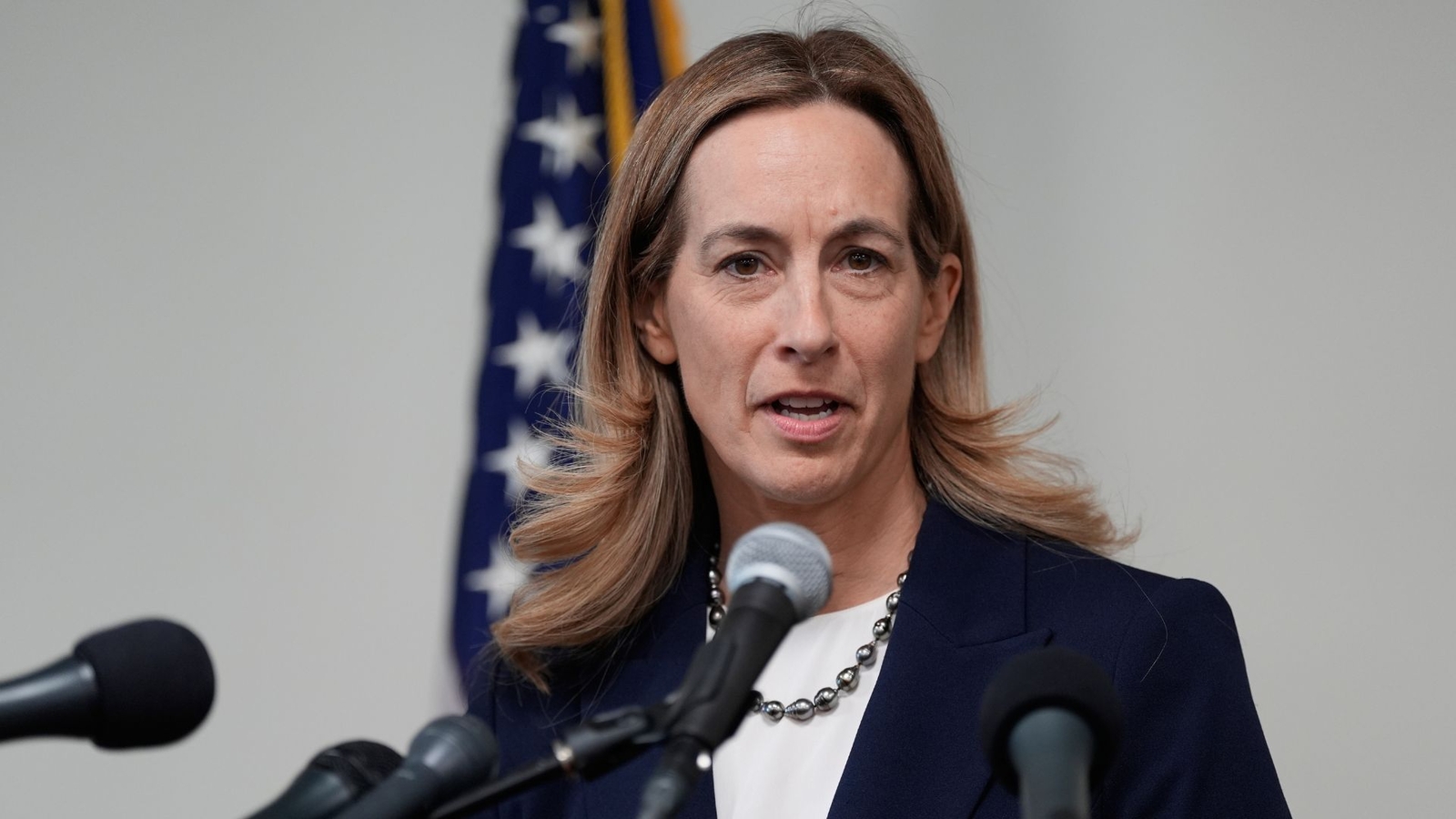
New Jersey Gov. Mikie Sherrill warned local port officials and terminal operators against accepting imported Russian diesel, stating in a Nov. 2 letter that the shipments would violate federal law. Sherrill noted that multiple oil tankers carrying Russian fuel have been sent to the U.S., with at least one potentially targeting New Jersey facilities.
A Clash Between Executive Action and Congressional Sanctions
The conflict centers on a clash between executive branch actions and congressional authority over foreign trade. Following Russia’s attack on Ukraine, Congress enacted a ban on Russian energy imports in April 2022. However, the Treasury Department announced a temporary general license on October 9 designed to permit the supply of Russian diesel to global markets. This followed an October statement on Truth Social where President Trump noted that Russian President Vladimir Putin agreed to release millions of tons of diesel over the following three months for domestic and international use.
State Pushback Against the Treasury Department License
Sherrill argued that the administration lacks the blanket authority to waive congressional sanctions. “New Jersey will not stand by while Donald Trump supports Vladimir Putin at the expense of Americans,” Sherrill said in a statement. “Instead of lowering costs, he is helping finance Putin’s war against Ukraine and a global campaign of violence and terror that endangers U.S. service members abroad.”
Today, at President Trump’s direction, the Office of Foreign Assets Control (OFAC) is immediately issuing a temporary general license to allow the supply of Russian diesel to the global market.
White House Defense of the Fuel Supply Agreement
White House spokeswoman Taylor Rogers defended the arrangement, telling CBS News that the general license complies with all applicable U.S. laws. “The President secured a deal to supply global markets with diesel, lowering prices for the United States and the world,” Rogers said. She added that lower fuel costs remain a priority for farmers, truckers, and families while the administration urges both sides of the conflict to halt attacks on oil refineries that drive up consumer costs.
High Diesel Prices Persist Amid War in Iran and Attacks on Russian Refineries
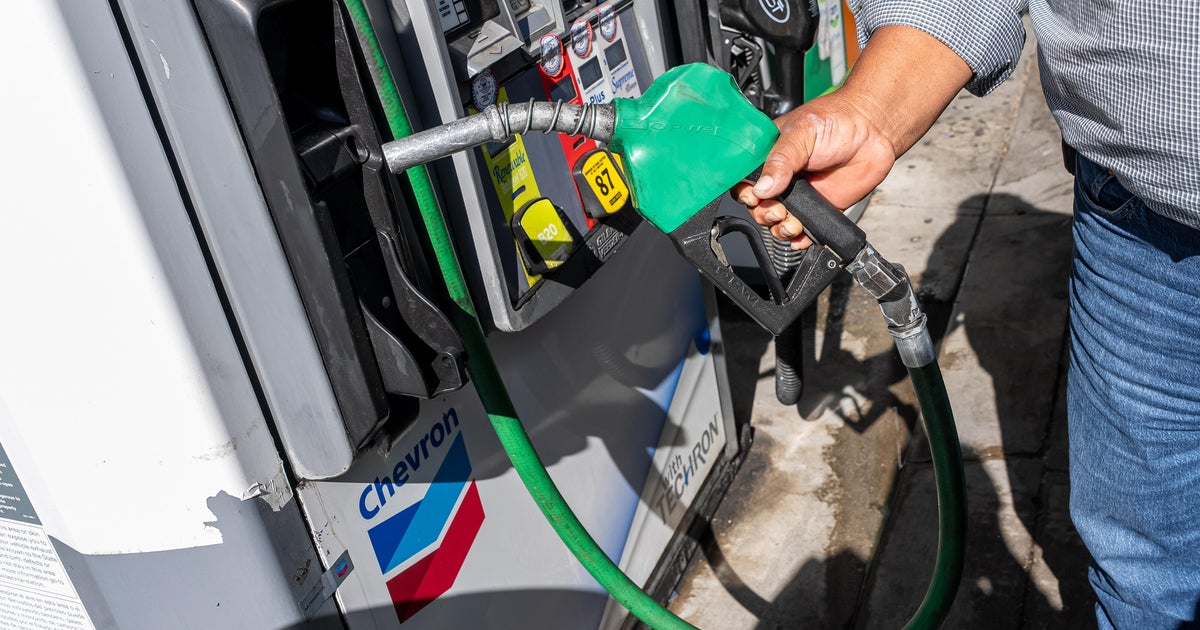
The dispute unfolds against a backdrop of elevated fuel prices driven by the ongoing war in Iran and Ukrainian strikes on Russian oil refineries. Data from AAA shows the national average price for a gallon of diesel sat at $6.29. While that represents a drop from a record high of $6.53 in September, it remains well above the $3.68 average recorded a year ago.
Terminal Operators Face Conflicting Directives
Sherrill urged regional operators to reject incoming vessels tied to the trade. “Any effort to profit from the illegal trade in Russian fuel will be met with harsh penalties,” she wrote. "I urge you to turn away any tanker that seeks to use your facilities in furtherance of such unlawful activity." A Trump administration official maintained that the policy successfully addresses high commodity costs while operating within international markets.