Outdoor Dining and Construction Permits Accelerated as Voters Overhaul City Operations
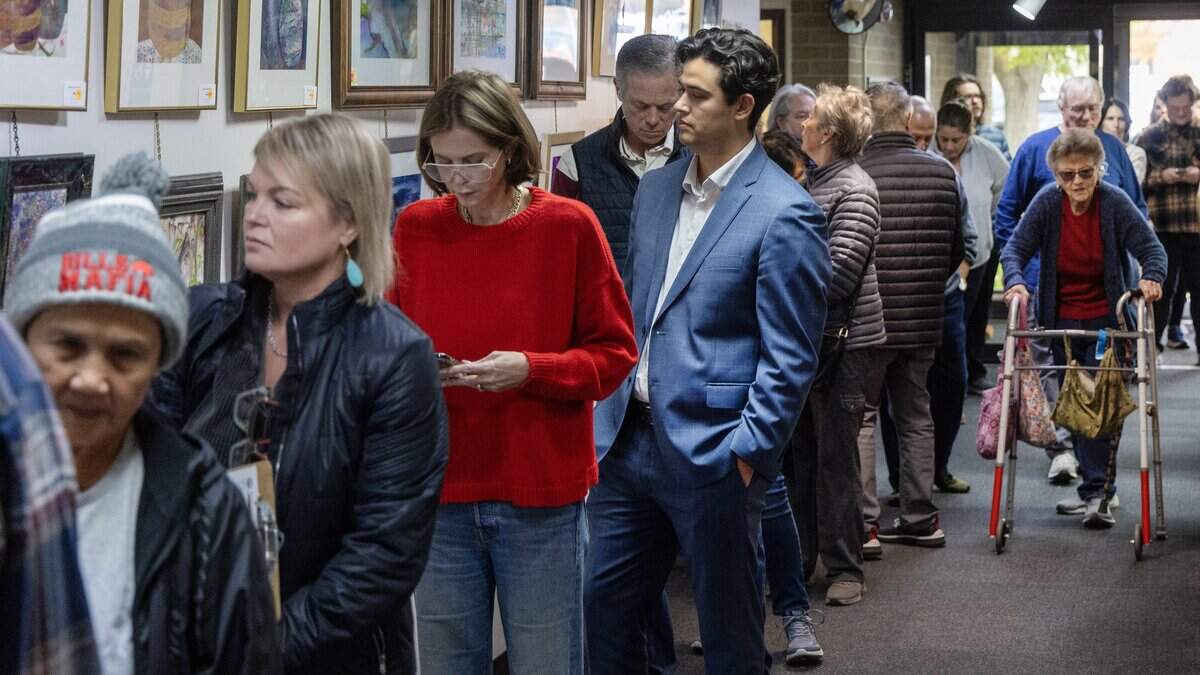
New York City voters approved all five ballot proposals on Tuesday, reshaping the City Charter to strip away layers of bureaucratic review and fast-track public space permits, street safety layouts, and commercial contracting. The sweeping package was crafted by Mayor Zohran Mamdani’s Commission on Government Efficiency, a 15-member panel assembled last spring. Proponents argue the changes will modernize city operations and relieve the affordability crunch. At the same time, good government groups and neighborhood associations warn that expedited timelines will diminish public oversight.
Unofficial returns from the city Board of Elections show all five questions passing comfortably. Question 1 cleared with 63.2% of the vote, removing mandatory public hearings for revocable consents covering sidewalk cafes, ramps, and planters while stripping the City Council of its veto power over individual sidewalk cafe applications. Question 2 gathered 61.6% of the vote to streamline contractor questionnaires and delegate select approvals to agency personnel. Question 3 secured 65.5% to accelerate bike lanes and bus lanes. Question 4 captured 67.5% to create a centralized permitting hub spanning 40 permits across 18 agencies. Question 5 drew 72% to establish a rainy day fund reserve target.
Speeding Up Public Space Permits and Curbing Council Vetoes
The overhaul of sidewalk and roadway dining brings immediate practical consequences for small business owners waiting on municipal sign-offs. Under Question 1, the Department of Transportation aims to cut outdoor dining approval times by eliminating mandatory public hearings and combining application tracks.
Backers such as Citizens Union and the Citizens Budget Commission supported the reduction in red tape. Opposition came from Council leaders and advocacy groups like Common Cause New York, which cautioned that faster permit approvals should not bypass public participation and legislative checks. The New York Post noted that neighborhood coalitions, including the United Neighbors of Prospect and Crown Heights, argued elected officials traded away democratic safeguards for the sake of speed.

Lowering Paperwork Barriers for City Vendors
Businesses and nonprofits seeking municipal contracts will experience relief under Question 2. The amendment allows the Procurement Policy Board to tailor contractor questionnaires based on vendor size, industry, and contract volume. It also directs the board to meet quarterly and authorizes agency officials to handle specific contract approvals.
While groups like Citizens Union backed the adjustments, they urged careful implementation to maintain anti-corruption safeguards. Starting in 2030, the policy board will also gain the authority to adjust the $100,000 threshold that determines which contracts trigger mandatory public commentary.
Department of Transportation Bypasses Community Boards for Urgent Safety Projects
Question 3 grants the Department of Transportation substantial leeway to install bike lanes and bus corridors before consulting local community boards if agency leadership identifies an immediate risk of injury. The measure narrows consultation mandates, requiring only best-faith efforts to brief local officials and removing prior requirements to coordinate with neighborhood firehouses.
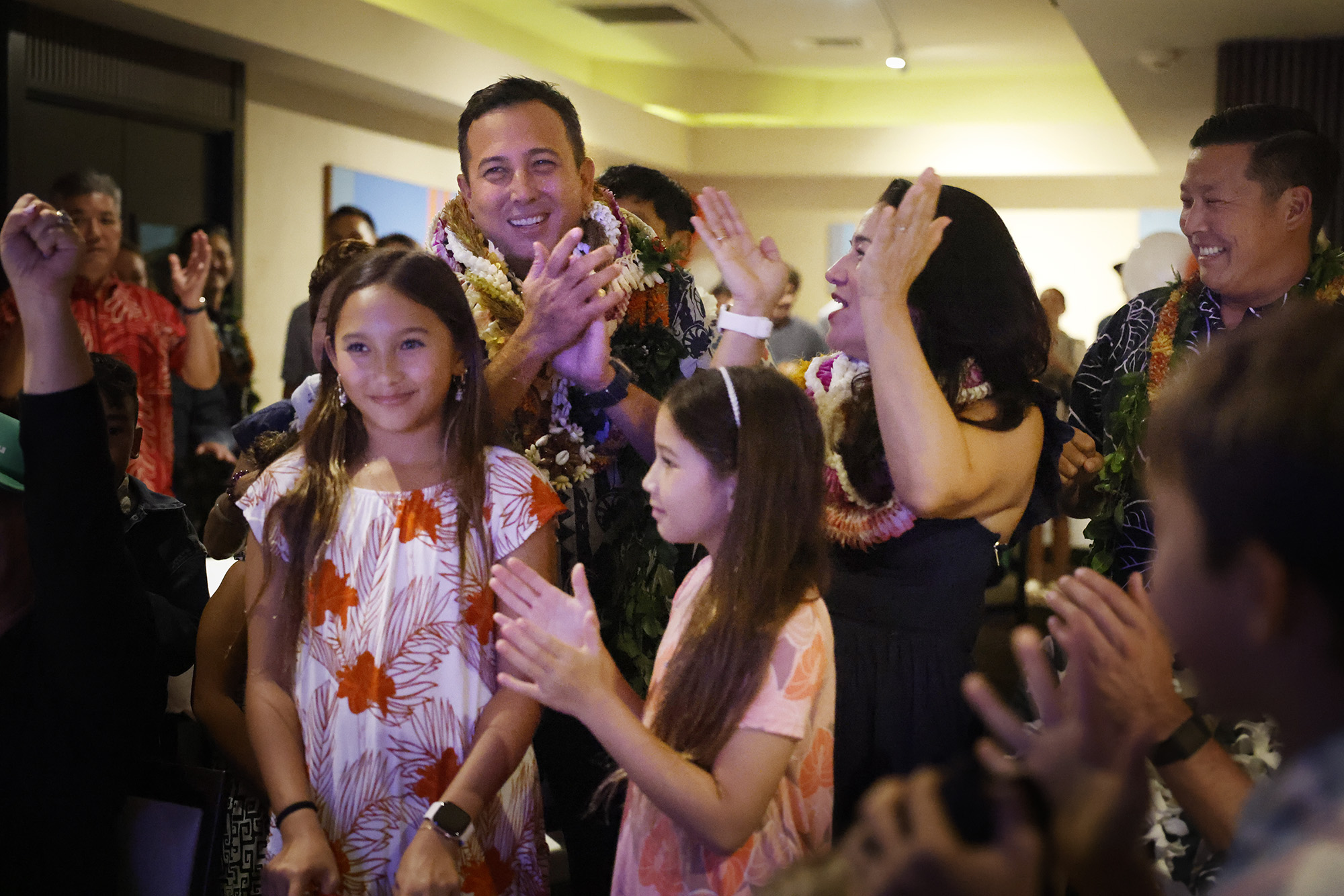
“Tonight, New Yorkers voted for a government that moves as fast as they do,” Mayor Mamdani said in a statement. “From opening outdoor dining faster to speeding up street safety projects to accelerating housing production, we are cutting red tape that will directly address the affordability crisis.”
Aside from transportation initiatives, the measure would do away with mandates requiring the City Council and City Planning Commission to greenlight municipal office leases, assigning those responsibilities solely to the Department of Citywide Administrative Services. The Municipal Art Society of New York raised objections to the ballot item, contending it could facilitate the sale of public property without adequate assurances that the sites would serve neighboring communities.
Centralized Hub Transforms Construction Permits and Fiscal Policy Adjustments
Obtaining construction permits will transform by December 1, 2029, under the newly authorized Department of Buildings centralized hub governed by Question 4. The portal consolidates 40 permits currently managed across 18 distinct offices while shifting waterfront construction oversight from the Department of Small Business Services.
Fiscal policy adjustments under Question 5 establish a rainy day fund target. The proposal directs the Mayor’s Office of Management and Budget alongside the comptroller to outline a deposit methodology, while groups like Reinvent Albany and Common Cause participated in the ongoing debates over how the administration promoted the ballot measures through public education tools permitted under the Municipal Home Rule law and informational resources.