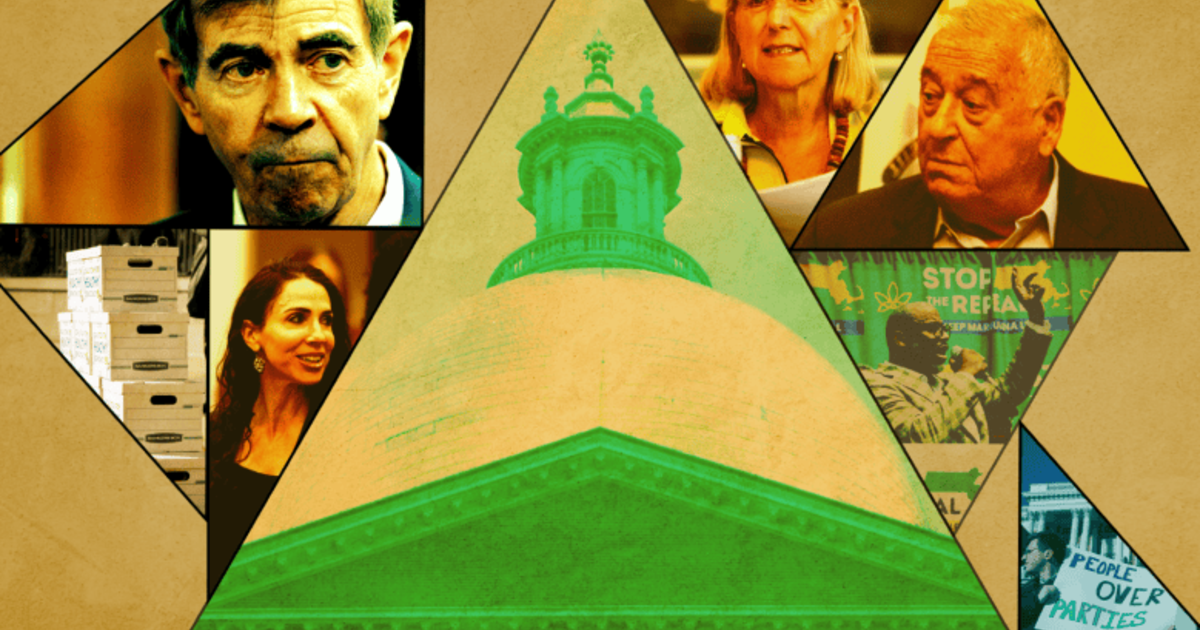
Massachusetts voters are heading to the polls next week to decide on nine separate ballot questions, tying a state record for the most measures in a single year. This surge in direct democracy, reported by CommonWealth Beacon, has revived debate over whether initiative petitions are a tool for citizens when elected officials are too resistant to public opinion.
The current ballot is a collision of high-stakes policy and political warfare. From reshaping the state tax cap formula to deciding the fate of a 115-page gun control law, the sheer volume of decisions has revived a debate: is the initiative petition a vital tool for the people, or a “fundamentally broken” mechanism easily hijacked by special interests with deep pockets?
A dining room rebellion in Framingham
The road to this record-tying ballot often begins with a single point of friction. Take the push for Election Day registration. For nearly two decades, the idea—which would allow voters to register or update their address on the day they cast a ballot—found pockets of support on Beacon Hill. The Senate even approved versions of it three times since 2008. Each time, however, the House blocked it.
The stalemate broke not in the State House, but at a July 2025 barbecue in Framingham. Norma Shulman, an 80-year-old activist, asked Secretary of State Bill Galvin why the proposal had stalled. According to CommonWealth Beacon, Galvin eventually concluded the House would never pass it and instead joined Shulman in her dining room to sign the paperwork for a citizen-led campaign. By bypassing the Legislature entirely, Shulman and Galvin moved the decision directly to the voters.
Unlike the traditional legislative process, where bills are chiseled and amended through committee hearings, ballot measures are binary. Lawmakers can either accept the text as written, ignore it, or broker a compromise to get the proponents to drop the campaign. When compromise fails, the voters are left to parse complex legal language—often without the nuance of legislative debate.
The spiral of distrust on Beacon Hill
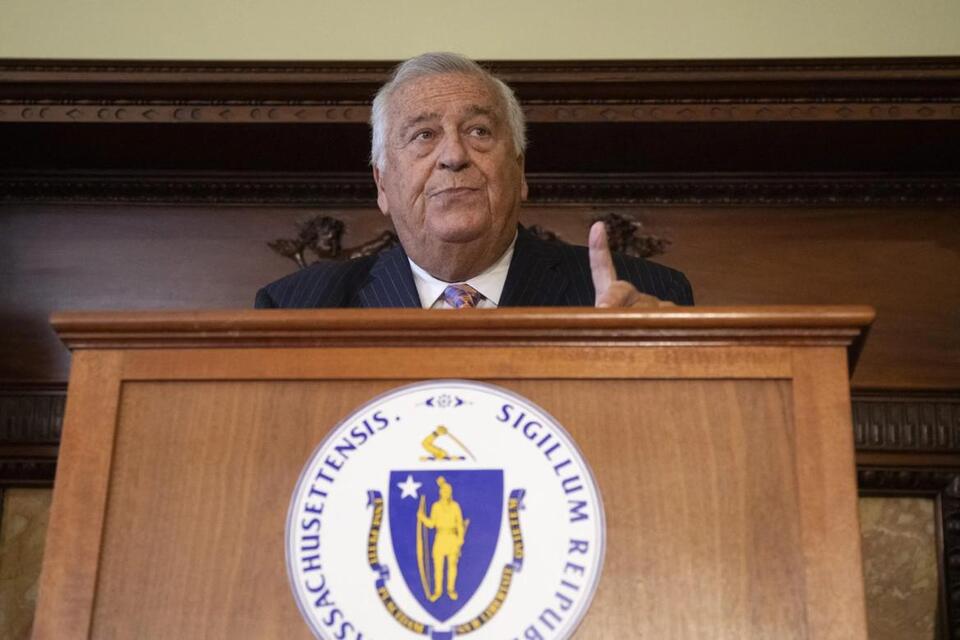
The tension isn’t just about specific laws; it’s about who holds the power. House Speaker Ron Mariano has been vocal in his disdain for the current trend, arguing that the process is exploited by “special interest groups and overly-ambitious politicians.”
On the other side, advocates argue the Legislature has left them no choice. Jim Stergios, executive director of the Pioneer Institute, which is backing a tax cap overhaul, placed the blame “1,000 percent” on the Legislature for failing to solve existing problems.
Joshua Dyck, a political science professor at UMass Lowell, suggests that when voters see nine measures on the ballot—or 15 or 20 in other states—it confirms to them that government isn’t doing their job because they are forced to read a long voter guide and figure out how to vote on those issues. He notes that regardless of how they vote, they walk out of the voting booth feeling the Legislature is not doing its job.
This distrust has manifested in a direct war between executive offices and the Legislature. Auditor Diana DiZoglio is ready for another fight if legislators change the public records statute in a way that does not match the outcome of Question 1. In response, some Democratic lawmakers have suggested they might substitute their own version of a transparency bill for whatever the voters choose, potentially sparking a constitutional clash.
The cost of direct democracy
The stakes have shifted since the initiative process was enshrined 108 years ago. While the right to bring policy changes to the people was originally a response to Gilded Age corruption, the modern era is defined by a massive influx of capital. CommonWealth Beacon notes that spending on ballot initiatives over the last decade has increased more than fourfold compared to the previous two decades, even when adjusted for inflation.
This financial escalation creates a “devil’s advocate” dilemma: does the money empower citizens to challenge a stagnant government, or does it allow wealthy entities to buy their way into the state constitution? For the average voter, the result is an overwhelming cognitive load. They must now form substantive opinions on everything from minimum lot size requirements for housing to complex tax rebates in a matter of days.
Historically, this pressure has sometimes worked. In 1994—the last time Massachusetts saw nine questions on a ballot—the threat of a citizen-led campaign on campaign finance and ethics forced the Legislature’s hand. Lawmakers like Stan Rosenberg and John McDonough worked with backers to create a compromise bill that overhauled the system. In that instance, the “threat” of the ballot was the only thing that moved the needle.
Today, however, the environment is more fragmented. With a divided media market and tens of millions of dollars flowing into "Yes" and "No" campaigns, the path to compromise is narrower. Voters are no longer just choosing policies; they are deciding whether the legislative process itself is still capable of functioning.
Massachusetts is now tied with 1972, 1976, and 1994 for the most ballot questions in a single year, showing that voters are increasingly unwilling to wait for Beacon Hill to act.



