From Rural Farmland to State Ballot: How Ohio Became Ground Zero for the Data Center Backlash
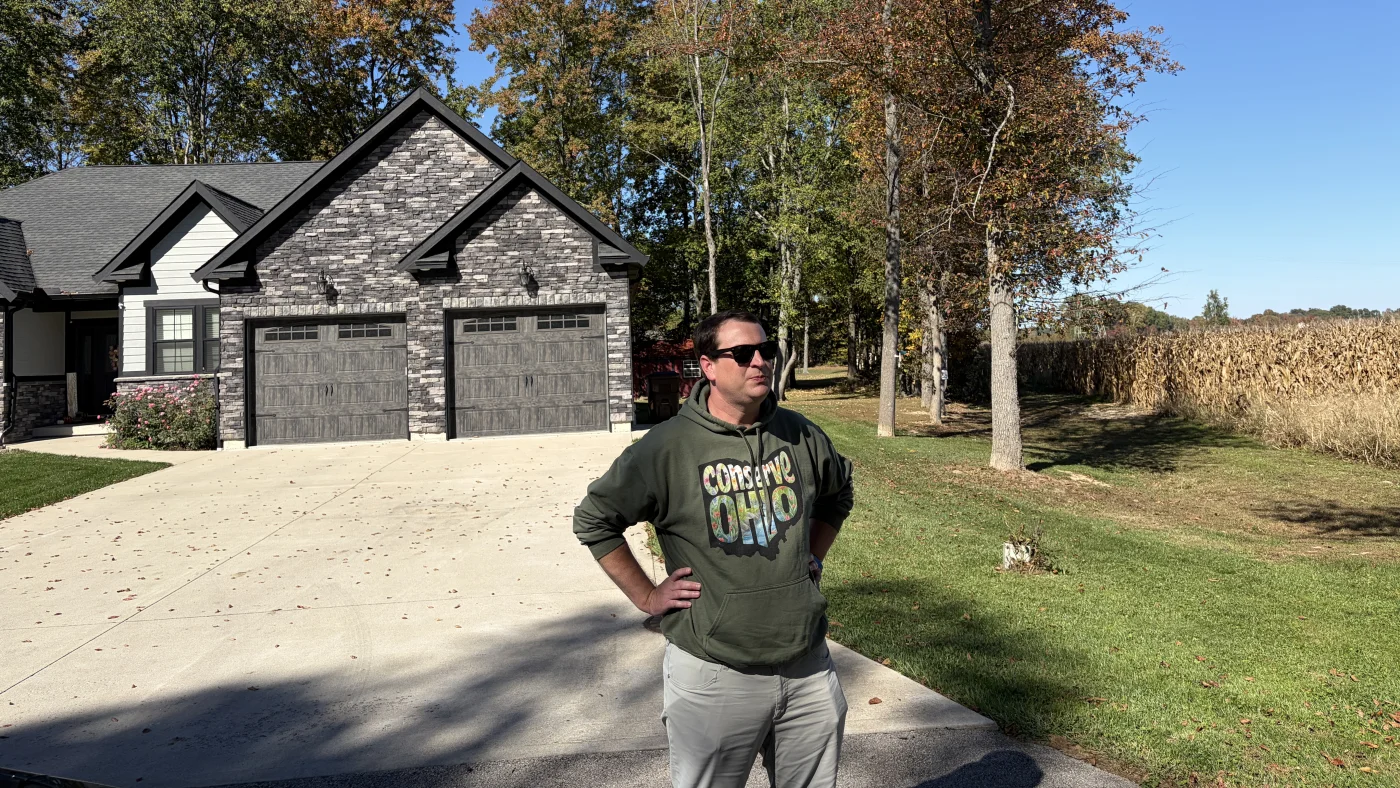
Standing at the edge of a Mt. Orab neighborhood in Brown County, Ohio, Nick Owens looks out across property records that show 1,000 acres of local farmland and trees sold to a data center developer between 2024 and 2025. In a village of just 4,300 people, the arrival of hyperscale computing campuses has sparked some of the most coordinated grassroots opposition in the country.
NPR reported that Owens, a lifelong Republican and small-town attorney, has spent countless hours trying to pierce through the corporate nondisclosure agreements shrouding these developments. Along the way, he teamed up with another local attorney and a real estate agent to form Conserve Ohio, a network of volunteers spanning nearly all 88 counties in the state.
This is the Ohio that people brag about. This is the Ohio people love. This is the small town charm,
Owens told NPR, pointing out where the data center property runs right up against residential backyards. Living in the rural area, but getting the benefits of a nice, lovely neighborhood.
The Economic Tug-of-War Across Ohio
Tech companies first started moving into Ohio more than a decade ago, drawn by inexpensive and abundant land, established energy infrastructure, and generous tax breaks. That mix turned the state into one of the fastest-growing data center hubs in the nation. Yet the economic windfall—bringing considerable tax revenue, school funding, construction jobs, and permanent tech roles—has collided sharply with local anxieties.
Residents face the prospect of a constant hum of industrial noise alongside massive energy demands that will require brand-new power plants. Should the school have extra money or the local government have extra money so we have a constant hum and ridiculous amounts of emissions and pollution?
Owens said to NPR. Our community is not for sale.
Conserve Ohio Backs Ballot Initiatives to Ban Data Centers
Frustrated by opaque corporate deals and toothless municipal pauses, Conserve Ohio shifted its strategy to direct democracy. This fall, the grassroots group is backing ballot initiatives in 10 communities across the state to amend local charters and prohibit large-scale data center construction entirely. Beyond those local battles, volunteers are circulating petitions for an ambitious state constitutional amendment with the goal of placing a statewide ban before Ohio voters in 2027.
On Oct. 22, 2026, volunteers like independent Linda Moodie set up tables at events like the “Halloween on the Green” celebration in Fairfield, Ohio, handing out candy alongside petitions. The closer it hits to home, the more people that are going to want to do something,
Moodie told NPR.

Political Fallout in a Republican Stronghold
The sudden surge of data centers has reshaped local political enthusiasm, particularly in conservative strongholds. Brown County voted 80% for President Donald Trump in 2024, and Owens served as a Trump delegate at the Republican National Convention two years ago. Today, however, he notes that the local data center issue and high fuel costs have noticeably dampened Republican enthusiasm.
Federal and state politicians have scrambled to address the backlash. In the high-stakes race for a U.S. Senate seat, former Democratic Senator Sherrod Brown has cast incumbent Republican Senator Jon Husted as the face of the data center buildout. Husted, who welcomed tech companies as lieutenant governor, has countered by accusing Democrats of hypocrisy and pushing federal legislation to force data centers to pay for power grid upgrades—a bill that Senate Democrats blocked as toothless.
President Trump has also weighed in on the debate through social media, writing on Truth Social that communities opposing data centers risk ending up backwards and poor
rather than successful and rich.
Owens dismissed those presidential remarks as tone deaf. I mean, no one wants to be poor or backwards,
he told NPR. I want our regular way of life.



