Open Road Tolling Arrives on the Western Pennsylvania Turnpike in January 2027
In past years, navigating the Pennsylvania Turnpike required passing through a physical toll booth before entering the highway. According to reporting by WTAE, that routine will end on January 3, 2027, when the Pennsylvania Turnpike Commission flips the switch on an open-road tolling system.
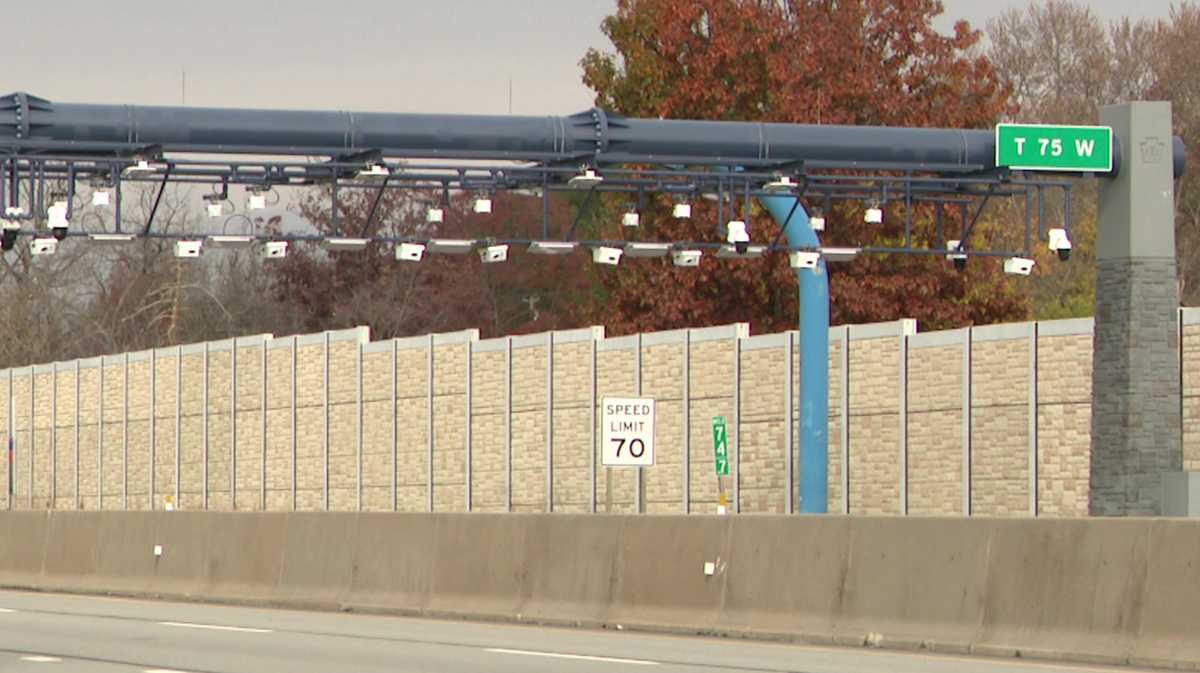
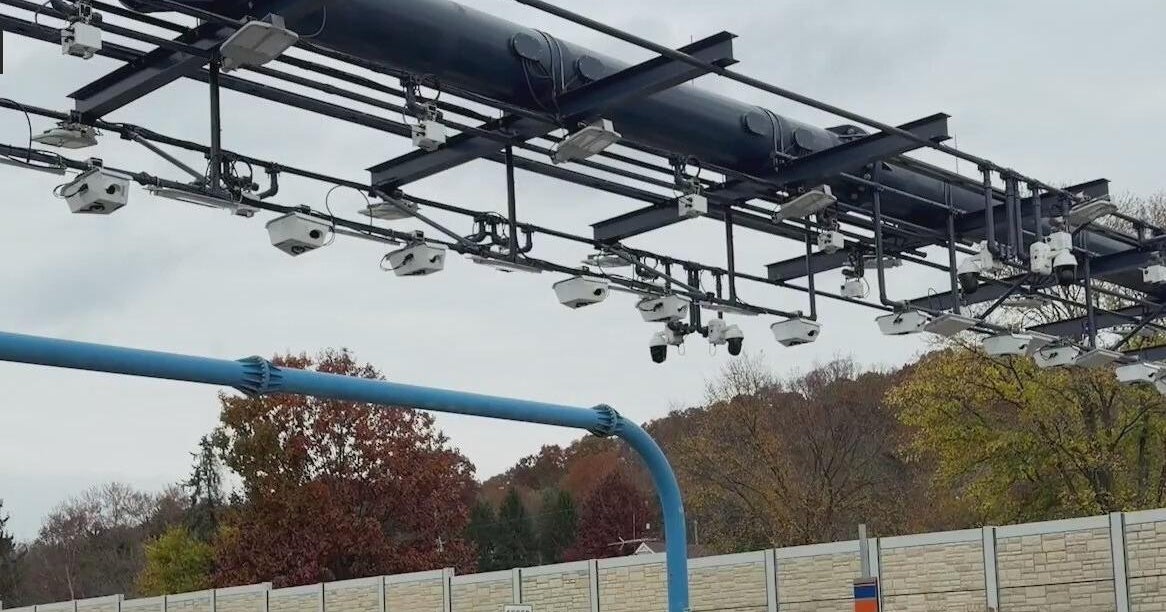
The transition replaces traditional toll booths with high-speed overhead gantries equipped with cameras and sensors. Instead, vehicles passing beneath the gantries at highway speeds will be registered electronically through E-ZPass transponders or license plate imaging.
How the Gantry Technology Operates
The infrastructure behind the conversion relies on overhead gantries and embedded pavement sensors to classify vehicles and record travel. Overhead sensors determine vehicle height and axle counts, while vehicle separators distinguish closely spaced cars. Weight will no longer factor into vehicle classification under the open-road system.
For the roughly 86% of motorists who utilize E-ZPass, overhead antennae automatically read the transponder device to deduct the lowest available rate. For drivers without a transponder, cameras capture high-definition images of the license plate. If that plate connects to an active E-ZPass account, the system applies the discounted rate. Otherwise, a Toll By Plate invoice is generated and mailed to the registered owner at a higher processing rate. All gathered data travels via a newly built fiber-optic broadband network directly to the Turnpike’s Customer Service Center in Harrisburg.
“We will literally flip the switch here on the gantry system, which will have us now collecting our tolls through the gantries,” Turnpike Commission CEO Mark Compton said Friday. “Transitioning to the gantry-type system on the roadway as opposed to the interchanges really enables us to be, in many ways, a better neighbor that we’ve been desiring to be.”
Crews Will Remove Toll Booths by 2028 to Improve Safety
The eastern side of the state and the northeast extension adopted open-road tolling two years ago, a rollout that officials describe as a success. Following the completion of the statewide transition, teams will undertake the removal of toll booths on the western portion of the Turnpike prior to the conclusion of 2028.
Turnpike officials point to safety as a primary advantage of removing the concrete booths. Without physical structures blocking the flow of traffic at interchanges, accident rates drop. Construction engineering manager Shane Szalankiewicz noted that the gantries have undergone nearly a year of rigorous testing, complete with backup power generators and independent information servers to ensure uninterrupted operation during outages.
Drivers Must Mount Transponders and Link License Plates to Accounts
No toll fees will change because of the system switch. Officials emphasize that motorists must take a few proactive steps to avoid billing complications. Drivers must ensure their E-ZPass transponders are properly mounted on their windshields and that their current license plate numbers are accurately linked to their active accounts.
Turnpike administrators hope the streamlined network will ease travel for the more than 500,000 daily users traversing the 564-mile superhighway system. As the commission prepares for the final phase of statewide implementation, the focus shifts toward standardizing per-mile rates across segments originally constructed in the 1940s and 1950s, creating uniform pricing as the 86-year-old organization enters its next era.