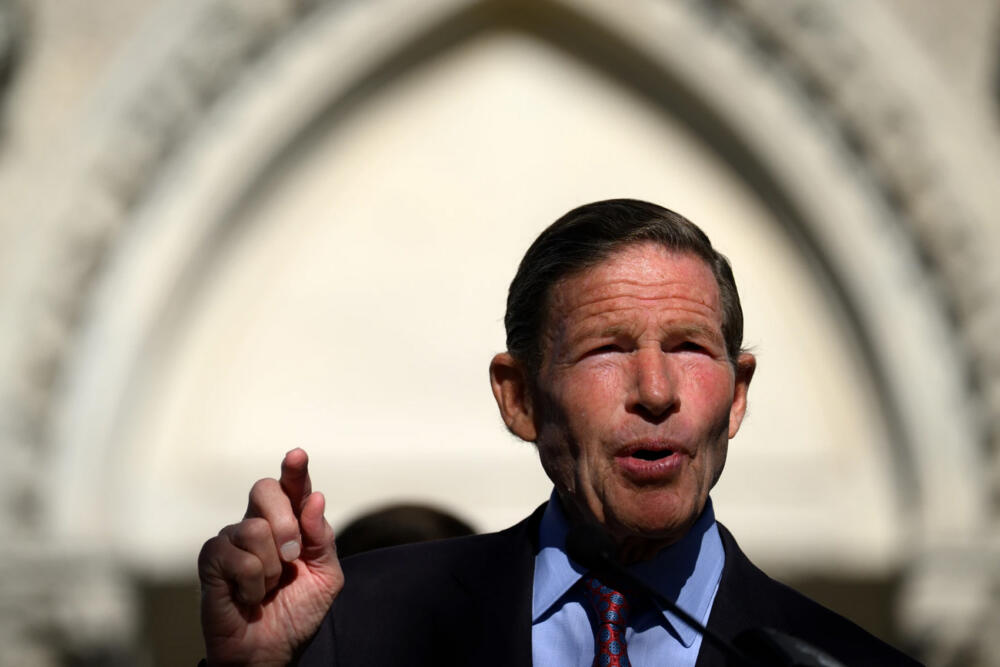
As the midterm elections conclude, the political calendar in Washington is already shifting toward the 2028 campaign season. While the formal campaign paperwork remains for another day, the senior senator’s public commitment serves as a definitive marker for Connecticut’s political landscape.
The Path to 2028 and Beyond
Blumenthal, 80, framed his future plans within the context of a broader Democratic strategy to maintain momentum after what he described as a series of significant victories. Standing alongside state officials and members of the congressional delegation on Wednesday, he emphasized that his focus remains on the current term while simultaneously looking toward the next cycle. “I don’t have a formal announcement today, but I look forward to being on the ballot in 2028 and continuing to serve the people of Connecticut,” he stated.
This early signal arrives at a time when the Senate is shifting back under Democratic control. For Blumenthal, the transition to the majority carries specific legislative and investigative stakes. He expressed his intention to assume the chairmanship of the two committees he currently serves on: the Senate Veterans’ Affairs Committee and the Homeland Security’s Permanent Subcommittee on Investigations. The latter is a role he held when Democrats were in the majority. That role would restore his subpoena power, allowing him to resume oversight of federal agencies and private sector practices.

Legislative Stakes in the Lame-Duck Session
Before the new Congress convenes, Blumenthal faces a tight window to advance priority legislation. He has confirmed he will make an 11th-hour push to try to get the Kids Online Safety Act (KOSA) through Congress in the lame-duck session before the end of the year. The bill, which he co-authored, represents a significant focus of his current policy agenda. Alongside Attorney General William Tong, who has been vocal in his support for the measure, Blumenthal is attempting to secure the necessary consensus in the Senate to push the legislation across the finish line before the current session expires.
The urgency surrounding his legislative agenda reflects a broader ambition to solidify his influence within the Senate delegation. His legislative record includes the successful passage of the Russia sanctions bill, a rare piece of major bipartisan legislation. By focusing on these outcomes, Blumenthal aims to demonstrate continued efficacy to his constituents, even as questions regarding the necessity of generational change occasionally surface in Connecticut political circles.
The Internal Dynamics of Connecticut Politics
The conversation around Blumenthal’s future is influenced by recent shifts within the state’s Democratic ranks. The August primary defeat of longtime U.S. Rep. John Larson sparked localized discussions about the need for new leadership. However, those familiar with the state’s political machinery note that a challenge to an incumbent senator of Blumenthal’s stature remains a high-stakes endeavor. Attorney General William Tong, who utilized a film crew to record Tuesday night’s election watch party, explained that his staff was capturing his victory remarks to be utilized for social media outreach. He noted that this should not be viewed as a precursor to a Senate campaign against Blumenthal and stated that he does not plan to pursue such a challenge.
In 2022, Blumenthal easily won reelection against Republican Leora Levy, who secured the nomination after a last-minute endorsement from Trump. As the party looks toward the 2027 local elections as the “building blocks” for 2028, the focus for Democrats remains on maintaining the infrastructure necessary to defend their seats. For Blumenthal, the strategy is rooted in the belief that his experience and seniority provide a distinct advantage in the Senate, regardless of his age.

Whether this early declaration of intent will deter potential primary challengers is unclear. In the coming months, the senator’s ability to handle the committee assignments and secure his legislative priorities will likely serve as the primary indicator of his political standing as he prepares for a potential 2028 campaign. For now, the senior senator from Connecticut is operating with the assumption that his role in the fight for the Senate majority is far from complete.