The Colts’ Quarterback Crossroads
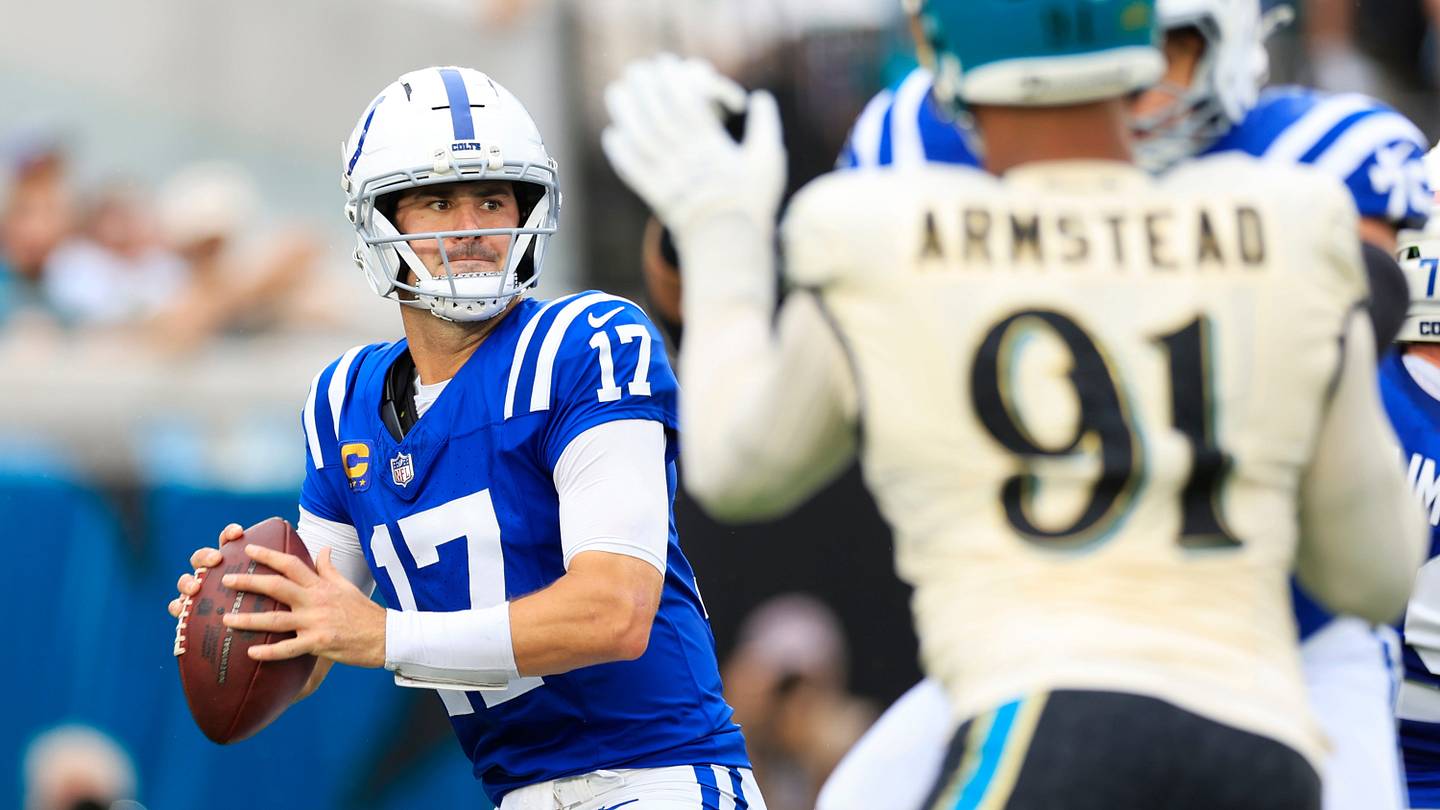
The Indianapolis Colts are approaching the November 10 trade deadline with a clear objective: recalibrating their roster for the future. As Sports Illustrated reported, the organization may not need to wait for the offseason to offload veteran quarterback Daniel Jones. While Jones was initially brought in as a short-term bridge, the team’s recent strategic shifts have signaled a move toward a full-scale rebuild, putting the 29-year-old signal-caller firmly on the market.
For the Colts, the math is compelling. Moving Jones before the deadline offers a chance to recoup draft capital while shedding a contract that has become an anchor. Should the team wait until after June 1 to release him, they would clear $38 million in cap space, a move that industry analysts have increasingly labeled a “no-brainer” for a franchise looking to empower its next general manager with significant financial flexibility.
Ravens Turn to Rookie Starter After Quarterback Injuries
The Baltimore Ravens have emerged as a primary suitor, driven by a sudden and severe injury crisis. Following a game against the Buffalo Bills, the Ravens confirmed that star quarterback Lamar Jackson is out indefinitely with a thumb injury, while backup Tyler Huntley is sidelined for the remainder of the season with turf toe. This leaves undrafted rookie Joe Fagnano as the starter for Thursday night’s matchup against the Jacksonville Jaguars.
The Vikings should explore a possible trade for Colts QB Daniel Jones. pic.twitter.com/8XFK85ogYI
The stakes for Baltimore are immediate. While ESPN’s Jeremy Fowler noted that Jones is on the Ravens’ radar, the acquisition would not necessarily be a long-term play. Instead, Jones offers a degree of professional stability that an undrafted rookie simply cannot provide. With a supporting cast featuring Derrick Henry and Zay Flowers, the Ravens’ offensive system is designed to lean on a heavy ground game—a structure that could theoretically mitigate the pressure on Jones and allow him to operate within a lower-risk environment than he has faced in Indianapolis.
The Minnesota Connection
The Minnesota Vikings present a distinct alternative, one rooted in both tactical necessity and prior professional history. While head coach Kevin O’Connell has publicly committed to Murray as the starter, the team’s thin quarterback depth—currently featuring Carson Wentz as the primary alternative—has led to speculation regarding Jones.
The familiarity factor here is significant. Jones spent time with the Vikings organization late in the 2024 season, working directly under O’Connell. This rapport, as reported by Pro Football Talk, provides a unique advantage; Jones would require far less time to assimilate into the Vikings’ offensive scheme than he would elsewhere. For a team with legitimate postseason aspirations, adding a veteran who understands the playbook creates a safety net should Murray’s injury persist.
The Financial Reality of the Trade
Any deal involving Jones requires managing a complex, though manageable, salary structure. Jones carries a $5.49 million base salary for 2026, which is fully guaranteed. In a trade, the acquiring team would assume the remaining obligations, while the Colts would retain the cap charges associated with the signing bonus already paid. Looking ahead to 2027, Jones has a $10 million salary that becomes fully guaranteed in March. This timeline provides a prospective team with a four-month window to evaluate his performance before that financial commitment becomes permanent.
If the Colts release Daniel Jones after June 1st, they will create $38 million in cap space in the upcoming offseason. Seems like a no-brainer at this point. pic.twitter.com/gsK78a9JVN
Given his statistical struggles this season—five touchdowns against nine interceptions—it is unlikely the Colts will demand a high-value return. Industry consensus suggests a late-round draft pick, potentially bolstered by conditional incentives, would be a reasonable starting point for negotiations. The Colts are not just selling a player; they are selling the opportunity for a team to gamble on a veteran with enough upside to provide stability, all while clearing their own books for a necessary organizational reset.
Whether Baltimore’s immediate need for a stopgap or Minnesota’s desire for a familiar hand in a playoff push wins out, the clock is ticking. With the deadline set for November 10, the Colts’ decision to move on from a short-term solution reflects a trend of franchises prioritizing long-term cap health over the diminishing returns of a veteran bridge.
More on Daniel Jones
The Colts plan to stick with QB Daniel Jones. Jones should be jostling for a trade. pic.twitter.com/j4Mn6JdeBb