
“You come to Charleston, you should get what you think you’re eating,” said Rocky Magwood, a shrimper from McClellanville.
South Carolina restaurants must now disclose whether the shrimp they serve is locally caught or imported under the “Truth in Shrimp Labeling Act,” a new state law that took effect 120 days after it was signed by Gov. Henry McMaster. The law mandates that restaurants statewide use signage or menus to disclose the origin of their shrimp.
Shrimpers Expect Law to Help Compete with Imports
Rocky Magwood, whose family has been in the shrimping business for roughly 110 years, stated that the law provides customers with clearer information and helps local fishermen compete against imported products. “My family’s been doing it for about 110 years that we can prove,” he said, adding, “And if you can say you’ve been doing a job for 110, I’m pretty sure you’re doing pretty good.” Magwood, who has moved shrimp in McClellanville for nearly 50 years, noted that imports have long been a challenge, but said, “I think the Shrumpers are gonna get a little bit more ground back from the imports.” Regarding the current season, he said, “We see some light coming.”
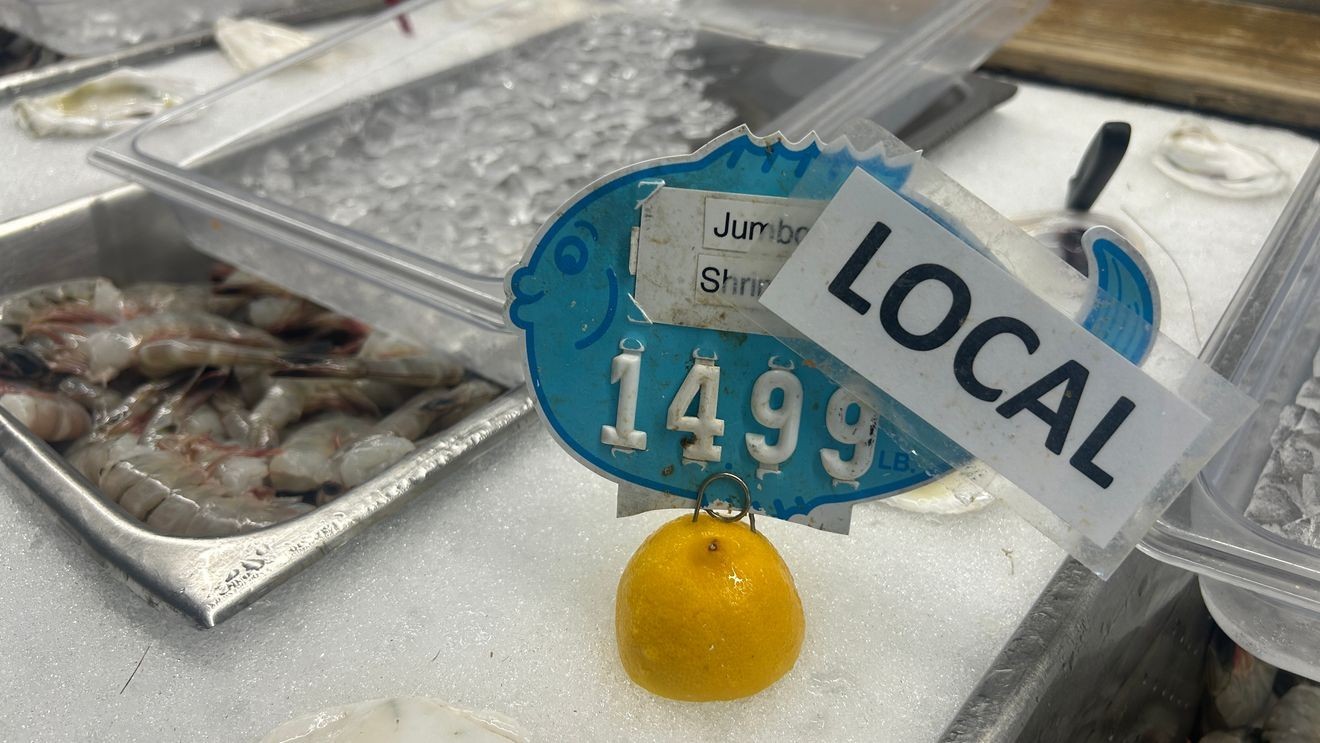
Jessica Brighenty, general manager of Arts, an old bar in Mount Pleasant, said her establishment already uses a sticker to indicate its shrimp is local. Brighenty stated that serving local shrimp is about supporting the roots of the community and the shrimping industry. She described the local product as a “very good shrimp” and a “commodity.” Magwood added that while imports are acceptable if local supply is unavailable, the law gives fishermen a fair shot with consumers. “We should be using what we have,” he said. “And if we don’t have it, then import it. But at least give us a chance as fishermen.”
Background of the Legislation
The requirement for origin disclosure follows a period of heightened scrutiny earlier this year. At that time, approximately 40 restaurants in the Lowcountry faced questions regarding claims that their shrimp was local when the product was actually imported.
Magwood described the new legal requirement as straightforward, suggesting restaurants simply state on the menu if the shrimp is from Charleston, South Carolina, or from a place such as Indonesia. “Put it on your menu and tell me if somebody wants to eat shrimp from Indonesia or they wanna eat it from Charleston, South Carolina,” he said.
Current Implementation
Some restaurants have utilized social media to promote their use of locally caught shrimp. A complete list of establishments selling local shrimp is hosted at abcnews4.com.



