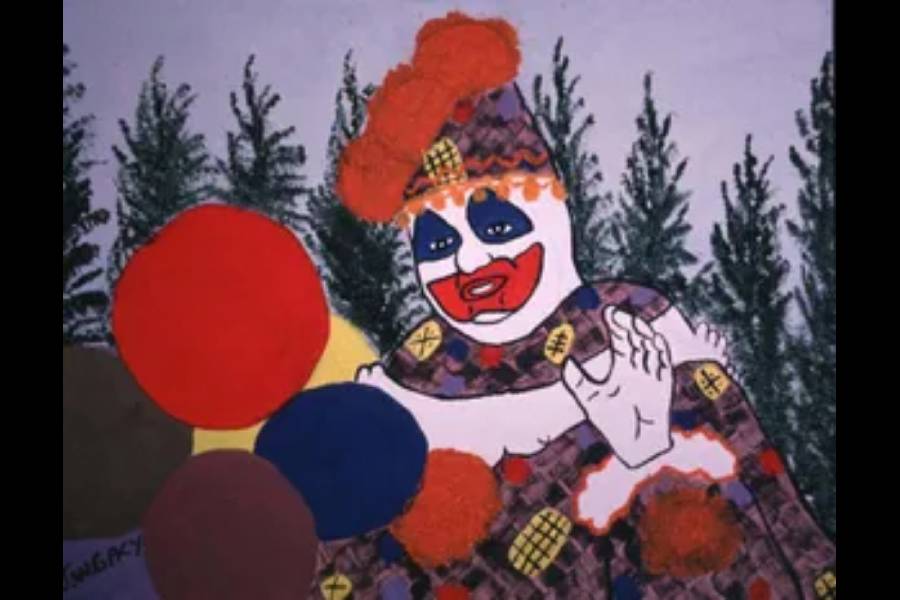
The perception of clowns has shifted in popular culture, with figures like the Joker, Pennywise, and John Wayne Gacy leaving a lasting impact that often outweighs the image of the traditional, happy comedian. While a study published by Frontiers indicates that 54% of people say they like clowns, the “killer clown” archetype has become a dominant cultural fixture.
This trend is driven by a combination of real-life criminals and fictional monsters. For example, Britannica identifies the “clown-attired bloodthirsty aliens in ‘Killer Klowns from Outer Space’” as the most famous clowns in history, followed by the demon Pennywise. These examples reflect a broader societal tendency to favor “killer cousins” over the friendly versions of the profession.
The Evolution of Clowning
Clowning originated in Greek theater, though modern iterations did not emerge until the 17th century. Joseph Grimaldi is cited by Britannica as the first modern circus clown in 1805 in the United Kingdom. Clowning eventually reached the United States via the circus, with George Washington attending the first American circus in 1793.
Despite their role as children’s attractions in the 1800s, these performers often maintained a dark undertone. Benjamin Radford, author of “Bad Clowns,” notes that the harlequin was playing a “killer-comedian” role as early as the 16th century. Radford argues that it is a mistake to ask when clowns “went bad” because they were never really good
.
Stephen King and John Wayne Gacy Influenced Killer Clowns
The popularization of the killer clown accelerated in the 1980s and 1990s. Stephen King’s 1986 best-selling novel “It” introduced Pennywise, who appeared in a 1990 miniseries and later in two films released in 2017 and 2019. Britannica suggests that the character of Pennywise may have been inspired by John Wayne Gacy.
Gacy, a convicted serial killer, maintained a persona known as “Pogo the Clown” and was photographed in costume outside his home in 1976. However, there is a distinction between his persona and his crimes; Gacy did not kill anyone while dressed as a clown.
While early 20th-century works like the 1924 silent film “He Who Gets Slapped” featured killer clowns, there is no single event or example that serves as the definitive turning point for why society finds clowns scary.