West Virginia is allocating $160 million for the Hope Scholarship during the 2025–26 school year, a figure that stands against a broader $2.4 billion public school budget as state officials debate the true drivers behind a recent 3.5% drop in public school enrollment.
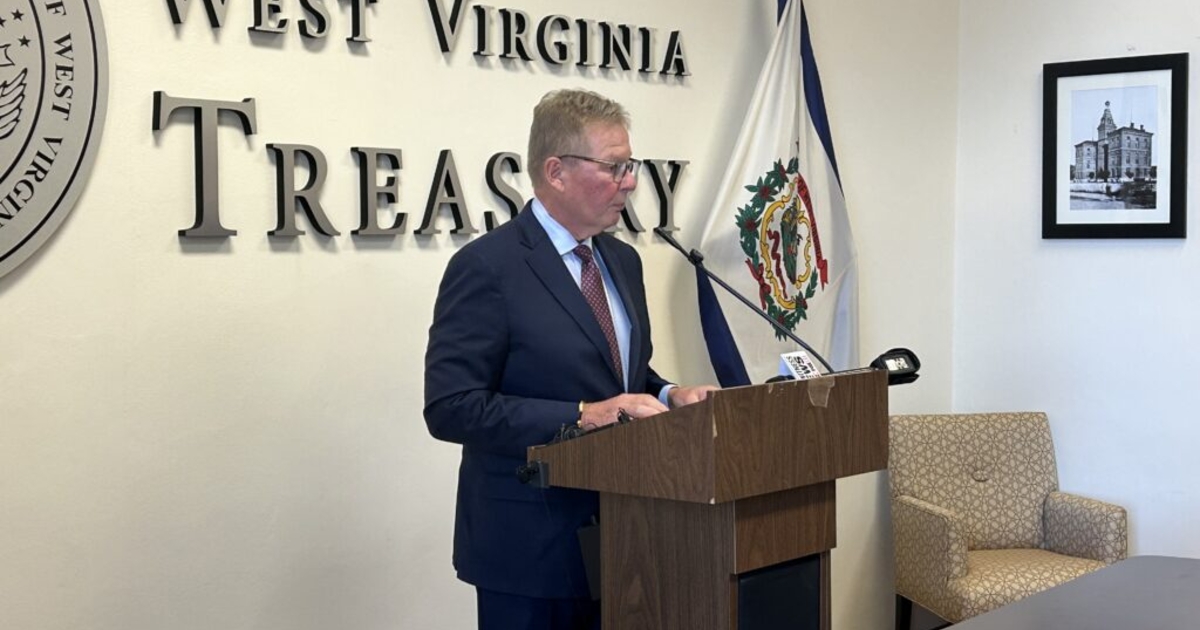
State Treasurer Larry Pack defended the program Tuesday, acknowledging that while the tax-funded initiative may contribute “a teeny bit” to declining public school numbers, demographic shifts remain the primary force behind the trend.
The West Virginia Department of Education announced the enrollment decline last week, prompting several county superintendents to point in part to the Hope Scholarship. The program provides participating families with $5,400 per student in taxpayer money to cover private school tuition or homeschooling expenses. Nearly 15,000 students participated in the program for the 2025–26 school year, according to a report released Monday by the Treasurer’s Office.
Declining Birthrates and Missing Data Impact School Enrollment
Pack argued that declining birthrates, people leaving the state, and an aging population have driven fewer students into public classrooms for decades. According to the Treasurer, this contraction began in the 1960s.
“Every school I went to is closed, so it’s not a new thing,” Pack said.
Pinpointing the exact overlap between the Hope Scholarship and public school departures remains difficult because the Treasurer’s Office does not track whether scholarship applicants previously attended public schools. Application forms do not ask about a student’s prior schooling.
“We’re not supposed to ask that question,” Pack said. He added that his office might introduce an optional question on future applications to gather better data alongside local school officials.
Weighing the Financial Impact
Based on the nearly 15,000 students enrolled in the Hope Scholarship for the current academic year, Pack estimates that a couple thousand students may have transferred out of the public school system. However, he noted that the total number of private school students and homeschoolers in West Virginia has remained steady over the last five years, suggesting the program is not the driver of declining enrollment.
Public school advocates facing budget pressures and declining headcounts are looking for something to blame, according to the Treasurer.
When you’re struggling, you point out other things that you think might be exacerbating the problem. So I don’t take it personal. I think they’re struggling, so they’re just pointing here, pointing there, trying to figure out how to get out of this mess.
Comparing the scale of the two funding streams, Pack emphasized the disparity between state support for alternative options and the traditional public education system.
“When you weigh $160 million for Hope Scholarship is what we think for this current year versus the $2.4 billion we spend on public schools, we’re spending a lot of money on public schools. So I don’t think Hope has a big impact on them, but it does have a teeny bit,” Pack said.
Looking Ahead to Public School Funding
Despite his support for the Hope Scholarship, Pack maintained that backing alternative education does not equate to opposing public schools. He asserted that public school support is mandatory for elected officials serving in public service in West Virginia.
With the Hope Scholarship program now established in the state, Pack wants lawmakers and state leaders to shift their focus toward addressing the underlying financial challenges facing the public school system.
“The program is working with respect to Hope Scholarship, and what I think is happening now is now we need to focus and turn what is it we can do to improve our public schools?” Pack said. “I think you’re going to see that be the major thrust of the next couple years of discussions.”



