Eighty-One UAMS Students Train to Reverse Opioid Overdoses in Little Rock
Eighty-one University of Arkansas for Medical Sciences students gathered in the campus library Monday to learn how to administer naloxone and reverse opioid overdoses.
The hands-on training session inside the UAMS Library’s Active Learning Center was led by the Office of Interprofessional Education, which supports collaborative learning and practice across the institution’s five colleges and graduate school. Working in teams, participants examined opioid use disorder, the dangers posed by fentanyl and counterfeit pills, and the broader impact of substance misuse across Arkansas. A thirteen-member team of student educators guided the room through emergency response protocols and practical administration of the reversal medication.
State Initiative Supplies Kits to College Campuses
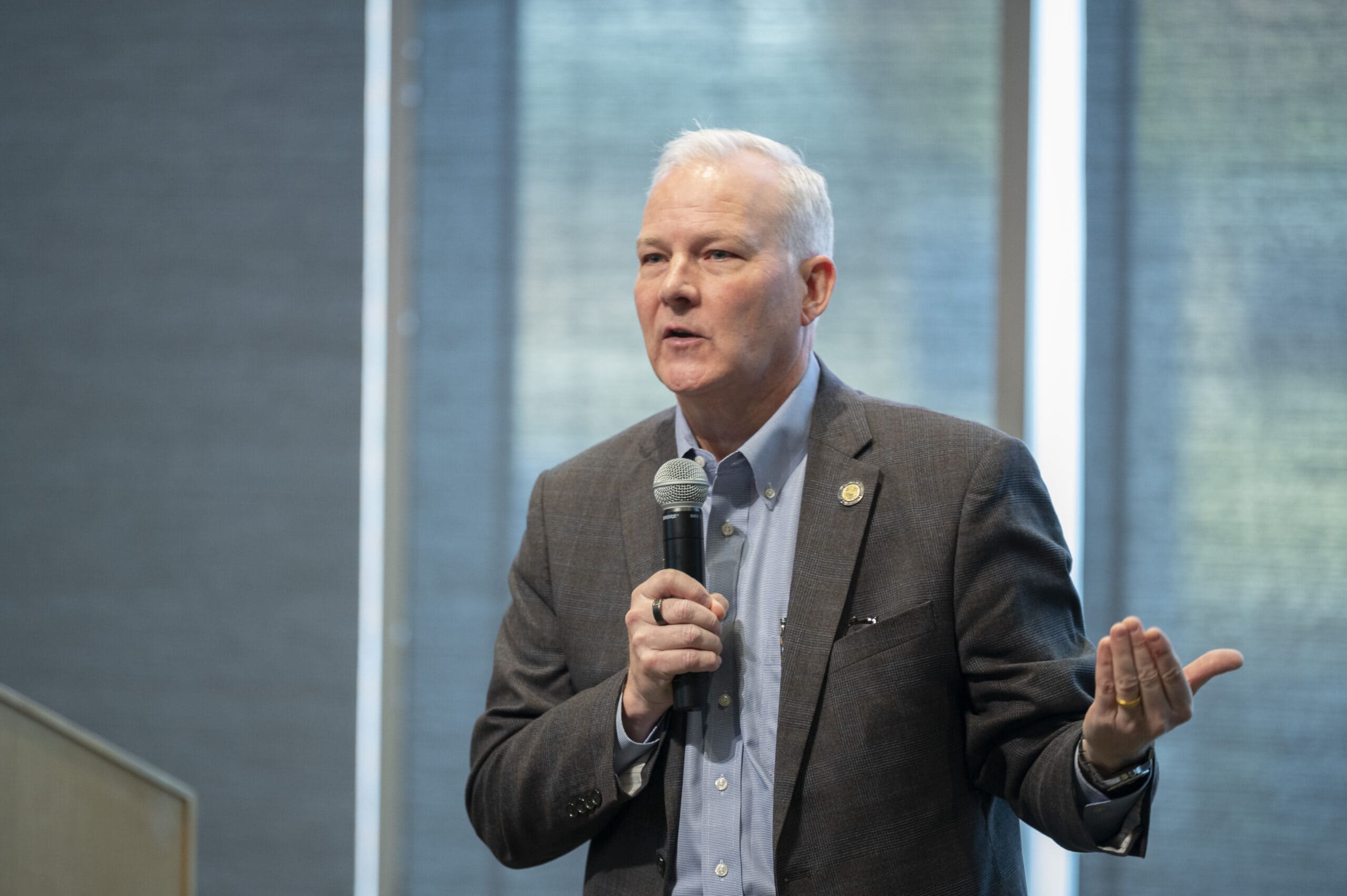
The event coincided with the twentieth training held under Arkansas Attorney General Tim Griffin’s “One Pill Can Kill” initiative. Griffin, who spoke alongside UAMS Chancellor C. Lowry Barnes and Little Rock Recovery alcohol and drug counselor Josh Hankins during a press conference earlier that day, has distributed drug identification kits to fifteen college campuses statewide.
Attendees received both a naloxone kit and a drug identification kit furnished by the Attorney General’s office. The identification bundles include a fentanyl test strip, rubber gloves, a safe drug disposal bag, and a reference card to spot counterfeit medications.

“UAMS plays a critical role in educating and training Arkansas’s future healthcare professionals. Educating young people about the dangers of illicit opioids and equipping them to save lives is critical to protecting Arkansans,” Griffin said.
Barnes emphasized that the collaborative effort goes beyond simply distributing Narcan, focusing instead on teaching emergency intervention. He recognized provost Stephanie Gardner and Center for Addiction Services and Treatment program director Michael Mancino for their contributions, alongside Alison Oliveto and Peggy Healy of the UAMS Psychiatric Research Institute.
Hankins, who described his own adolescent experience with opioids and the loss of thirty-nine peers to the crisis, noted that widespread availability of naloxone could have altered outcomes for his generation. He has led more than eighty community-based classes over the past three years for the UAMS Arkansas Naloxone Education Training program.
Today I launched our One Pill Can Kill initiative at @uamshealth, marking our 15th college campus and 20th training in Arkansas. We're equipping students with the knowledge and skills to recognize the dangers of illicit opioids and respond to overdoses. One pill can kill, but one… pic.twitter.com/gcv5Jvo05p
General Griffin Launches One Pill Can Kill Initiative at UAMS https://t.co/Dab6VHq1nJ