High-Elevation Conifers Face Severe Ecological Pressures
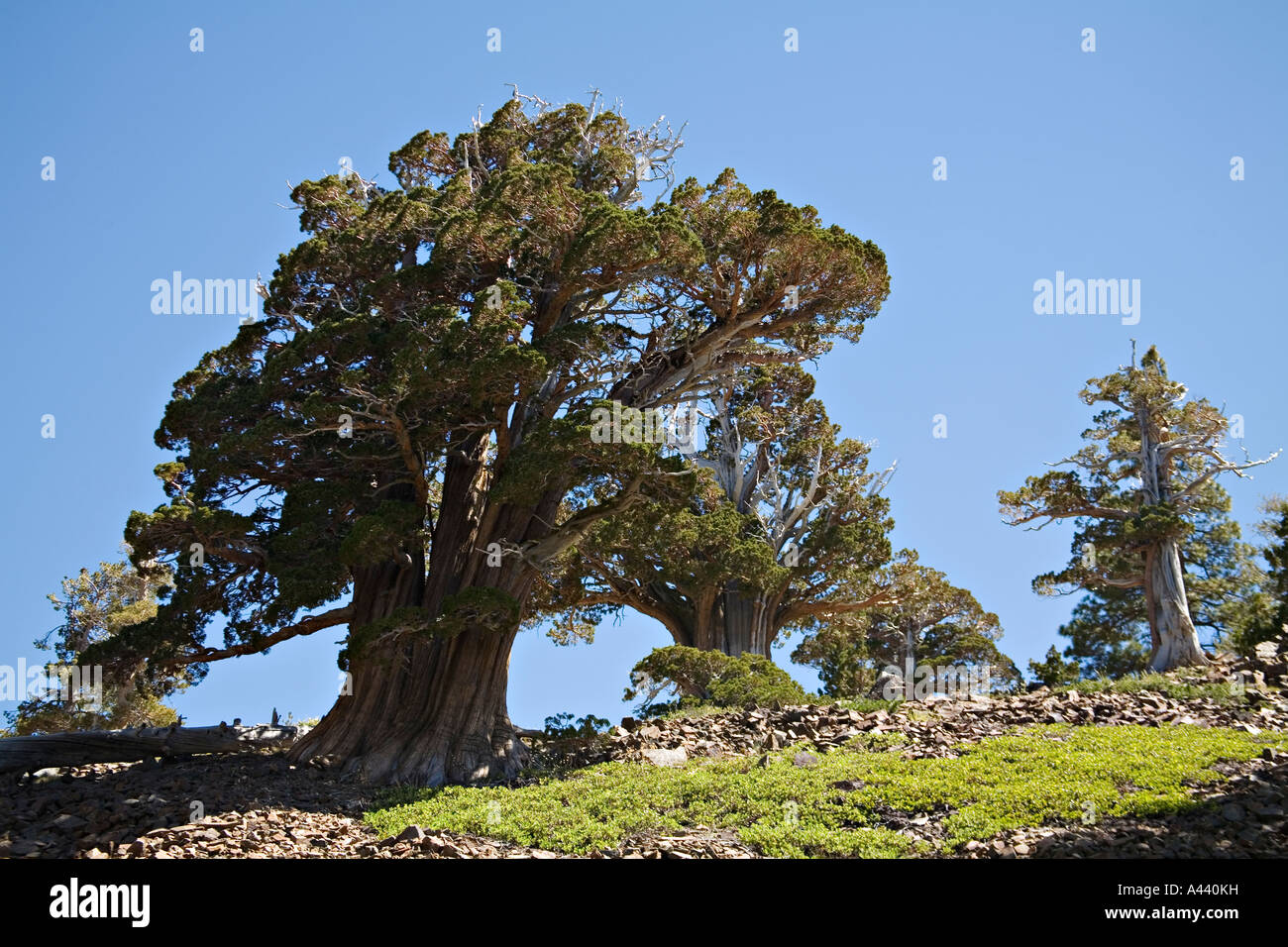
Researchers at the UC Davis Tahoe Environmental Research Center are studying how to restore whitebark pine trees in the high, remote regions of Lake Tahoe across Nevada and California. These high-elevation trees face mounting pressures from drought, bark beetles, and an invasive disease known as white pine blister rust.
The Blister Rust Bottleneck on Alpine Watersheds
The blister rust disease attacks cone-producing branches, which creates a critical bottleneck for the species. Without cones, there are no seeds, and without seeds, there are no future generations of trees, impacting the wider alpine watershed.
A healthy lake starts with a healthy watershed—including the forests surrounding it,
TERC noted in its recent project update.

Two Distinct Forestry Projects Target Survival and Recovery
The TERC forestry team—consisting of Camille Jensen, Aaron Vanderpool, Shannon Lynch, and Patricia Maloney—is leading two distinct projects designed to help land managers protect surviving populations and restore forests after wildfires.
Researchers Measure Tree Vitals to Identify Healthy Populations
The research teams are focusing on two core questions: identifying which trees offer the best hope for future generations, and determining the most effective method to help those future generations grow in harsh mountain terrain.
While populations on Tahoe’s north and east sides show signs of struggle, southern populations appear healthy. Researchers are actively measuring soil moisture, tree activity, and water-use efficiency—metrics collectively termed tree vitals
—to understand why certain regions thrive while others falter.
The team is also investigating whether the timing of when trees open their pores helps defend against blister rust infections. If trees slow down their activity and go dormant prior to the arrival of spores, they may exhibit lower vulnerability.
Testing Direct Seeding Inside the Caldor Fire Scar
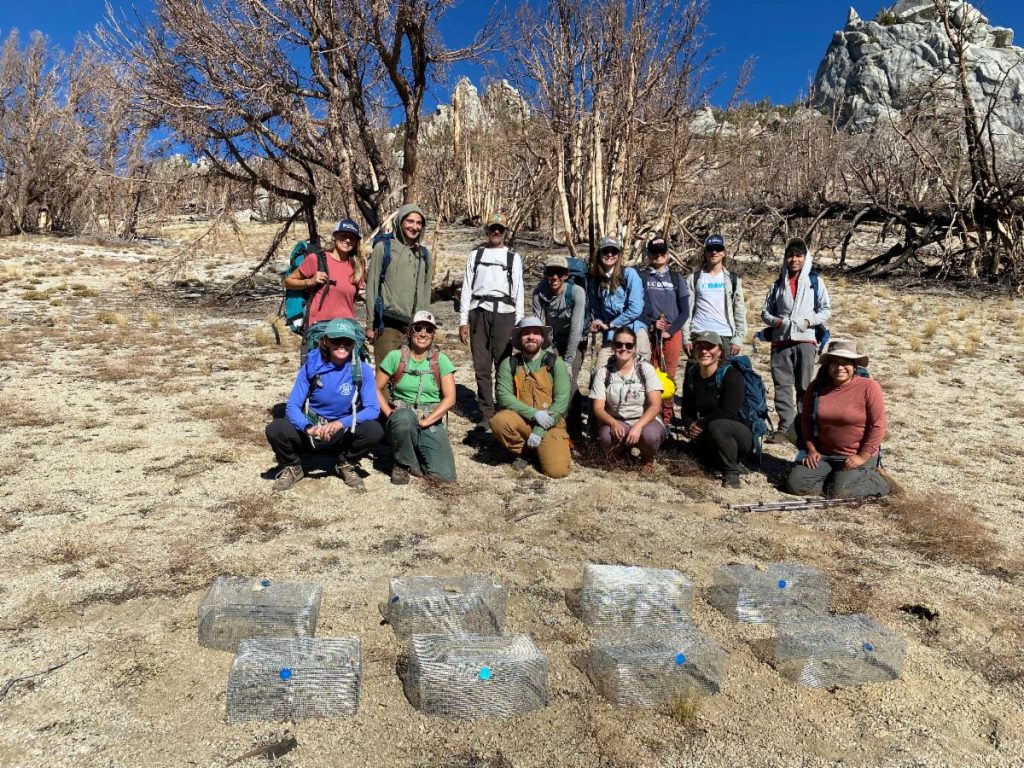
In a separate project located within the Caldor Fire scar, researchers are testing direct seed planting in the ground. Traditional restoration via nursery-grown seedlings planted in remote terrain demands considerable labor, equipment, and time. Direct seeding could offer a quicker, more affordable alternative.
Early results from the fall 2024 seed planting in protected cages have shown encouraging initial signs. Seeds have germinated, seedlings are surviving, and most protective cages have withstood the snow. The research team now plans to introduce nursery-grown seedlings to compare survival rates.



