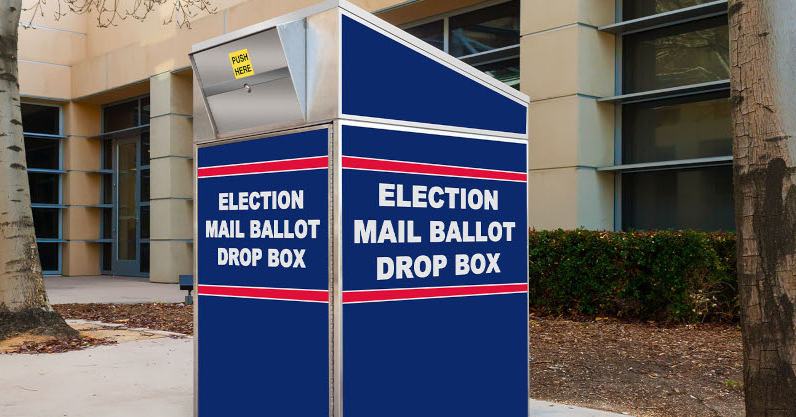
Voters across multiple states head to the polls Tuesday to decide 145 proposed laws and constitutional amendments that reach far beyond local governance, touching directly on reproductive rights, voting rules, and athletic eligibility as part of a high-profile midterm election.
Missouri Voters Decide on Abortion Amendment Repeal
A fierce battle over abortion rights is playing out nationwide, highlighted by an unusual redo in Missouri. Two years after voters became the first in the nation to pass a ballot measure undoing an existing ban on most abortions, the Associated Press reported that Missouri voters are now deciding whether to repeal that amendment. The replacement on the ballot, placed there by the Republican-led Legislature, establishes a new prohibition with specific exceptions for medical emergencies, fetal anomalies, and cases of rape or incest up to 12 weeks of pregnancy. Abortion rights advocates, spearheaded by national progressive groups, have heavily outspent abortion opponents to defeat the measure.
Meanwhile, three other states are pursuing measures to enshrine abortion access using standards similar to those in place nationally before the Supreme Court overturned Roe v. Wade in 2022. Ballot measures in Idaho and Nevada would block bans on abortion prior to fetal viability, typically recognized after 21 weeks. Nevada voters approved the measure once and require a second approval to make it official. In Virginia, a proposed amendment would protect abortion access through the first two trimesters.
State Decisions Shape Future Federal Power Dynamics
State decisions at the ballot box are actively shaping future federal power dynamics. Nine states are utilizing new congressional districts in these midterms following a rare wave of mid-decade redistricting encouraged by Donald Trump. Missouri Republican lawmakers adopted new House districts designed to secure an additional GOP seat, though state courts ruled those maps cannot take effect unless approved by voters in a November referendum, pushing their potential implementation to the 2028 election.
Simultaneously, voters in Democratic-led Maryland are deciding on a constitutional amendment to pave the way for new congressional districts by 2028. Democratic proponents, backed by former President Barack Obama, have urged approval as a countermeasure against Trump’s political strategy. In Colorado, a citizen initiative seeks to prohibit any future redistricting from favoring a single political party, requiring independent commission review alongside state Supreme Court approval.
States Weigh Measures Restricting Transgender Athletes
Voters in Arizona, Colorado, Missouri, Nebraska, and Washington are weighing measures to restrict transgender athletes or medical procedures amid a broader push by Trump’s administration targeting youth policies. While Republican-led states largely bar transgender women and girls from female school sports teams, citizen-led initiatives are bringing similar restrictions to the traditionally Democratic-leaning states of Colorado and Washington. The Arizona measure expands public school sports restrictions to private schools, while Nebraska’s ballot question adds existing sports restrictions directly to the state constitution. Colorado voters are also considering a second question to ban specific transgender medical treatments for minors, a restriction that is likewise bundled into Missouri’s comprehensive abortion amendment.
On election administration, five states are weighing voter ID mandates. Despite federal legislation stalling in Congress, citizen activists bypassed Democratic-led legislatures to place new identification requirements on ballots in California, Colorado, and Nevada. These measures demand government-issued identification, such as driver’s licenses or partial Social Security numbers, to cast a ballot. In North Carolina and Ohio, Republican-led legislatures referred measures to enhance existing voter ID rules by cementing them in their respective state constitutions.
Amendments Reinforce Practices Limiting Voting to Citizens
Constitutional amendments in Alaska, Arizona, Arkansas, Kansas, South Dakota, and West Virginia would reinforce current practices limiting voting strictly to U.S. citizens. Although critics argue these measures are largely symbolic since noncitizen voting remains rare and illegal in federal elections, similar amendments won approval across eight states two years ago.
Voters are also overhauling the mechanics of elections themselves. Massachusetts is considering ending separate party primaries in favor of an open primary system where the top two vote recipients advance. In Alaska, voters face a second decision on whether to scrap their open primary and ranked-choice voting model. To curb frequent constitutional overhauls, proposed amendments in North and South Dakota would raise the approval threshold to 60% instead of a simple majority, matching a similar 60% threshold proposed in Utah for citizen initiatives that raise taxes. In Missouri, an amendment would require an 80% vote in both legislative chambers for lawmakers to alter voter-approved citizen initiatives.
Additional state measures address immigration and local infrastructure. Conservative activists in Colorado placed a constitutional amendment on the ballot to require law enforcement to notify the U.S. Department of Homeland Security when individuals with illegal or unknown immigration statuses are charged with violent crimes or face new charges following prior felony convictions. Meanwhile, Arizona voters are deciding whether to limit traffic cameras used for speeding and red-light enforcement, a proposal that would bar new contracts for such systems starting in 2027.