Overtime Decisions and Rookie Realities: Why Will Hardy Bench-Sourced Darryn Peterson Against the Spurs
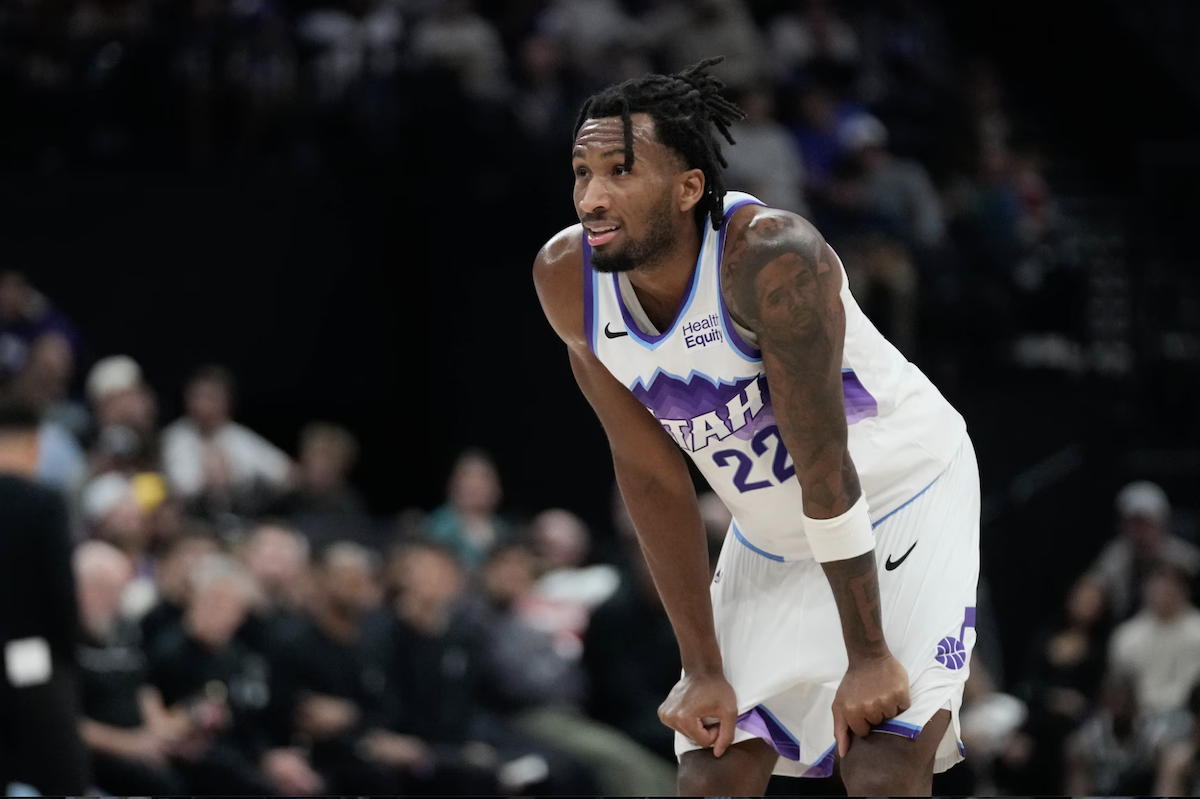
When overtime began for the Utah Jazz against the defending Western Conference champion San Antonio Spurs on Wednesday night, Darryn Peterson watched from the bench. The rookie did not close the fourth quarter, and with Keyonte George temporarily unavailable in the extra period, Isaiah Collier and Brice Sensabaugh stepped into the rotation instead. The offensive rhythm immediately stalled in Salt Lake City, transforming a promising upset bid into a 117-111 loss.
The decision sparked debate. Supporters questioned whether benching a prospect stunts his development in tight games. Will Hardy offered a direct assessment of the crunch-time execution during his postgame remarks.
“We’ve got to clean up execution. In those moments of the game, you have to be able to execute the game plan. I think Darryn is making a lot of strides, but in that moment, I felt it was better to go with Brice.”
That choice divided observers into two distinct camps. The first group argued that keeping Peterson sidelined deprives him of vital crunch-time stress exposure. Proponents of this view maintain that experiencing crucial possessions accelerates a young player's court vision and poise. Andy Larsen raised this exact dilemma on social media, questioning whether benching Peterson serves to prevent mistakes in future contests or merely addresses the immediate game.

Addressing that exact tension requires separating long-term player development from immediate game management. For a team prioritizing wins on any given night, NBA rotations respond to live-game execution rather than long-term curriculum goals. Peterson erred a number of times down the stretch, particularly on defensive assignments. Overtime in a competitive league environment does not function as a laboratory to test whether a rookie can correct recurring scheme breakdowns on the third, fourth, or fifth time down the floor.
The second public criticism focused not on Peterson’s absence, but on the effectiveness of the alternative lineup Hardy deployed. With George recovering from a cramping issue, Hardy selected Collier to handle ball-handling duties against mounting San Antonio ball pressure. Collier finished the night with a +2 rating, but his skill set introduced floor-spacing limitations.
Because Collier relies heavily on paint penetration, packing the floor with non-shooters creates congested driving lanes. Hardy paired Collier with Jaxson Hayes—who had relative success defending Victor Wembanyama—alongside Josh Green, Brice Sensabaugh, and Ace Bailey. The resulting group featured multiple non-shooters, allowing Spurs defenders to collapse into the lane and stifle driving lanes.
That defense-first configuration successfully held the Spurs from getting a basket until 2+ minutes passed in overtime. Yet the offensive cost proved steep. Collier struggled to generate clean looks against the paint congestion, forcing the Jazz to rely on isolated jump shots from Sensabaugh. Alternative adjustments could have featured Ace Bailey’s midrange and pull-up skills in a high-pressure environment, or inserting Josh Okogie to force Wembanyama to respect perimeter shooting.
These rotational choices show the difficult negotiations NBA coaches manage nightly. Evaluating these decisions as a binary choice between absolute success or total failure ignores the defensive vulnerabilities Peterson exposed during regulation. While George has consistently praised Hardy’s developmental accountability, the strategic question remains whether Peterson’s offensive upside outweighed his defensive lapses in a tight contest. The Jazz return to the floor carrying valuable data from a hard-fought battle against an elite conference rival, leaving observers to watch how the rotation evolves when the next close game arrives.