Heavy rain and yellow weather warnings are hitting parts of the UK as November draws to a close. These downpours will not break the lingering drought across much of England and Wales.
Yellow rain warnings cover western parts of the UK from November 30 into December 1, bringing up to 100mm of rain in places. Despite the wet weather, drought persists across much of England and parts of Wales, with nearly 30 million people still under hosepipe bans as reservoirs, rivers, and groundwater remain depleted.
Yellow Rain Warnings Bring Scotland Snowmelt Risks
The Met Office has issued yellow weather warnings across western areas from Monday into Tuesday. Western Scotland expects 30mm to 50mm of rain widely, climbing to 70mm to 90mm in the West Highlands and Dumfries and Galloway. Rainfall totals in parts of north-west England and Wales could reach 100mm.

Scotland faces an additional hazard alongside the heavy downpours. Flood risk in Scotland could grow as snowmelt adds to river flows and fallen leaves obstruct drainage. Monday turns wet and windy as milder air pushes temperatures above the seasonal average following a drier Sunday with scattered western showers.
Reservoirs and Groundwater Response Delays
Recent wet weather has helped top up some reservoirs in south-west England, but recovery remains slow. the Met Office has warned that reservoirs, rivers, groundwater and soil moisture “can take weeks or months to respond” to rainfall.
The supply deficit is stark in key storage locations. Bewl Water reservoir in Kent, the largest expanse of open water in south-east England, sits at just 38% capacity. Capacity at this time of year normally hovers around 61%.
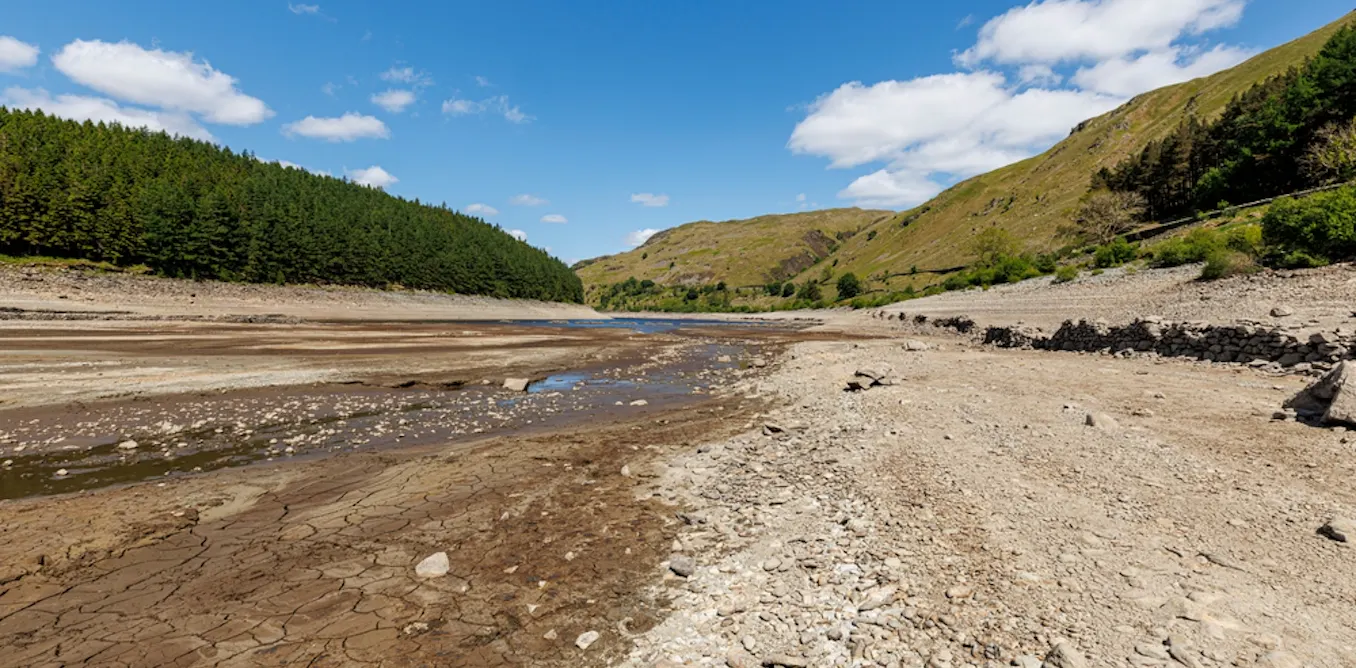
Autumn Shortfalls Meet the 120% Winter Target
The autumn season spanning September, October, and November failed to deliver the required moisture. England recorded just 81% of its expected autumn rainfall. Total UK rainfall reached 58.1mm from the start of November through November 26, amounting to 47% of the 1991–2020 average.
Scotland recorded an even steeper deficit at 52.88mm, or 32% of its expected monthly total. Orkney and the Western Isles in the far north-west of Scotland stand out as the only region receiving above-average rainfall this autumn.
The Environment Agency previously said that England needs 120% of expected rainfall between September and April to relieve the drought. Catchments continue to lag because autumn fell short at 81%. Historically, Great Britain’s most severe water crises have been associated with dry winters, which prevent underground aquifers and reservoirs from refilling during the period of lowest evaporation.
Low winter rainfall strongly dictates summer groundwater levels as well as river flow levels, substantially increasing the odds of a summer drought. The dry winter of 2021/22 set the stage for the severe summer drought of 2022, especially in chalk aquifers of England. Catchment areas experiencing dry winter conditions carry the potential for more severe summer drought conditions in the subsequent year.