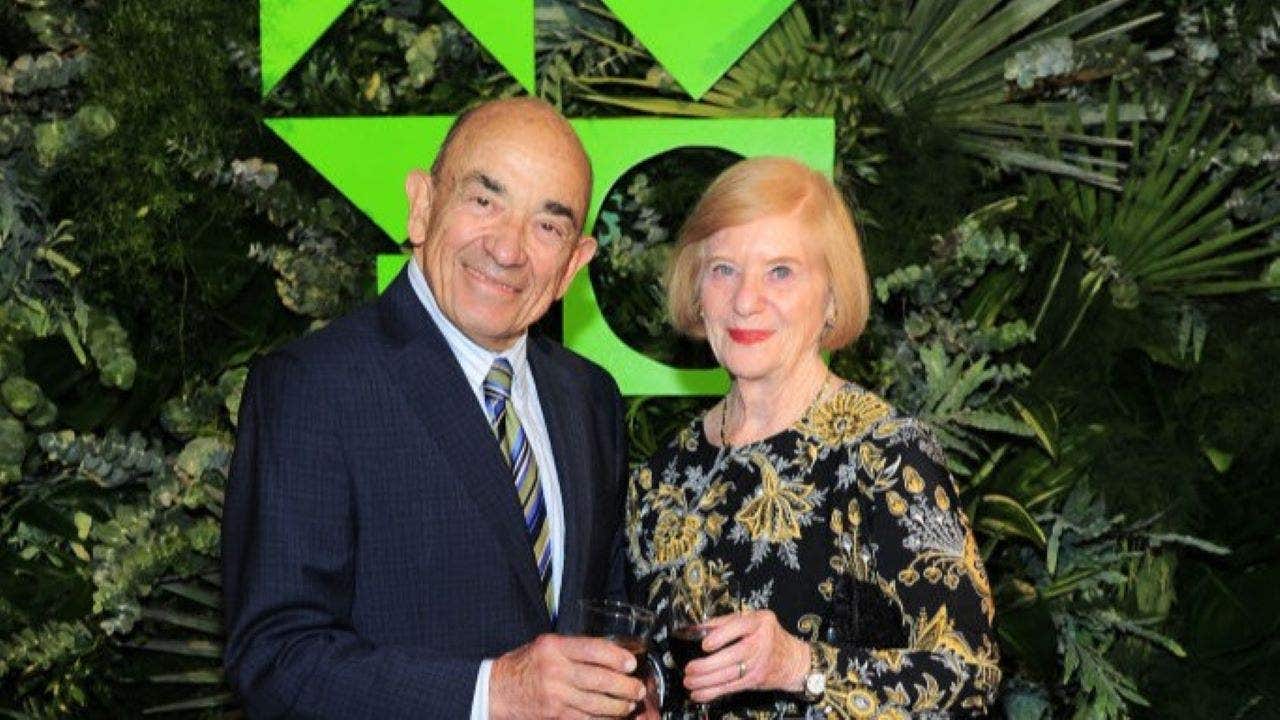
U.S. District Judge Alvin Hellerstein, a Manhattan federal judge who oversaw high-profile cases involving Donald Trump, the September 11 attacks, and deposed Venezuelan leader Nicolás Maduro, died Wednesday morning at age 92.
Alvin Hellerstein and His Decades on the Federal Bench
Alvin K. Hellerstein passed away Wednesday morning at the age of 92 while surrounded by his family, according to Chief Judge Laura Taylor Swain. Appointed to the U.S. District Court for the Southern District of New York in 1998 by President Bill Clinton, Hellerstein maintained a robust docket through nearly three decades of service, continuing his work even after moving to senior status in 2011.
Before joining the federal bench, Hellerstein earned his degrees from Columbia University, served in the U.S. Army Judge Advocate General’s Corps from 1957 to 1960, and spent nearly 38 years as a litigator in Manhattan. Chief Judge Swain remembered him as a distinguished jurist whose dedicated service continued right up until his death, adding that he was greatly appreciated and would be sorely missed.
He is greatly appreciated and will be sorely missed.
Born on December 28, 1933, the New York native and Columbia Law School graduate was widely recognized for his independent streak and strict courtroom discipline. Known for distinct personal quirks, Hellerstein insisted that spectators wear pandemic-era masks for more than two years after other judges had dropped the practice. In 2015, he commanded national headlines when he ordered a New York City cable company to pay a Texas woman $229,500 after flooding her phone with 153 robocalls. His docket also included the criminal trial of Charlie Javice, who was convicted of defrauding JPMorgan Chase out of $175 million by exaggerating her financial aid startup’s customer base.
Overseeing the Prosecution of Nicolás Maduro and Cilia Flores
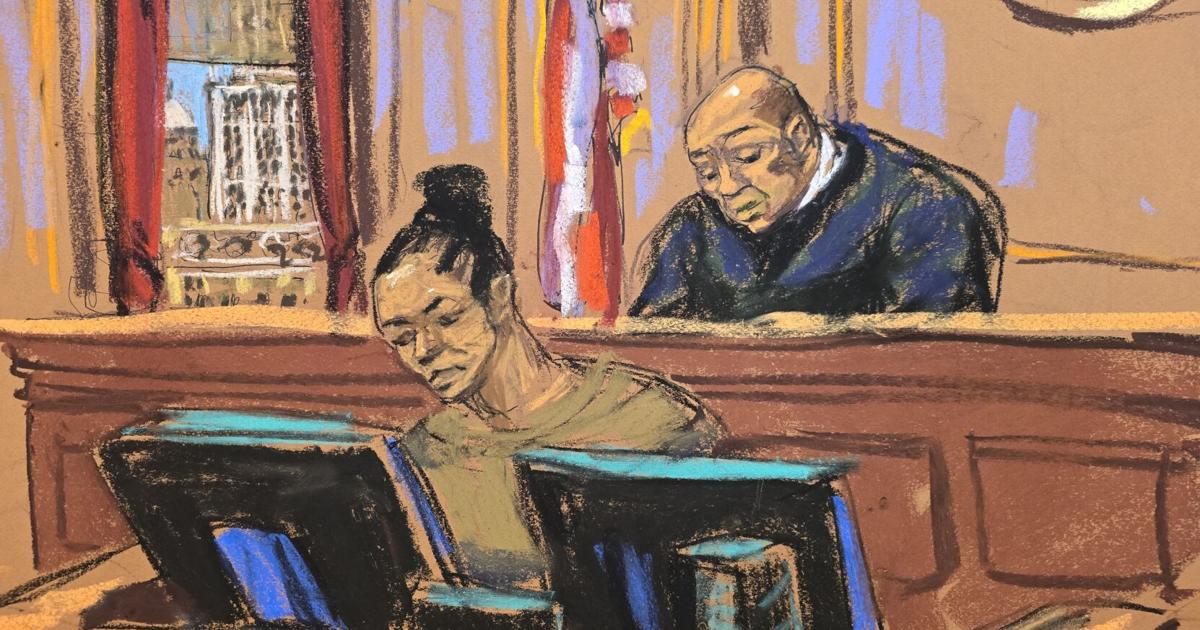
Hellerstein’s final docket included the high-stakes federal prosecution of former Venezuelan President Nicolás Maduro. Maduro was captured earlier this year alongside his wife, Cilia Flores, during a surprise U.S. military raid in Caracas and brought to the United States to face narco-terrorism conspiracy charges.
Just two weeks prior to his death, Hellerstein presided over a Manhattan court hearing for the couple. Prosecutors filed a superseding indictment in early October adding torture charges to the ongoing case, alleging that Maduro and Flores presided over a system of repression involving extreme violence, kidnappings, and systemic abuse to crush political opposition.
During a tense court appearance, Maduro twice defied Hellerstein’s instructions to enter a plea to the charges. Irked by the defiance, the judge took matters into his own hands and entered a not-guilty plea on the defendant’s behalf. During a bond hearing, Hellerstein struggled with his voice at times, telling lawyers in the courtroom, I have a voice problem. As long as you can understand — hear me, I’ll keep going.
Despite health hurdles, he remained resolute in his schedule, setting the trial for June 2027.
Following news of his passing, Maduro’s defense attorney did not share formal condolences regarding the judge’s death.
We were saddened to learn of Judge Hellerstein’s passing and offer our condolences to his family.
Decisions Involving Donald Trump and Post-9/11 Litigation
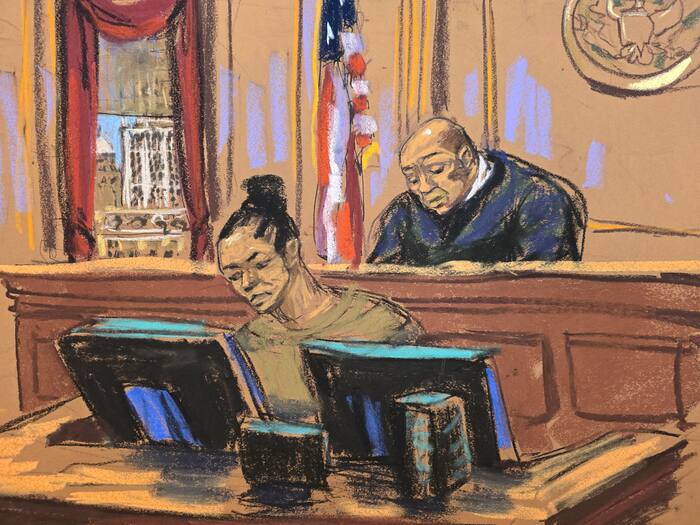
Beyond the Maduro proceedings, Hellerstein handled several legal battles involving Donald Trump. In August, in one of his final significant rulings, the judge spurned Trump’s effort to erase his hush money conviction by rejecting a bid to transfer the state court case to federal court on presidential immunity grounds. It marked the third time Hellerstein denied requests to move the case. He had previously rejected removal requests following Trump’s March 2023 indictment and after a New York state court jury convicted Trump in May 2024 of 34 felony counts of falsifying business records to cover up payments to porn star Stormy Daniels. Hellerstein’s final review followed an order by the 2nd U.S. Circuit Court of Appeals directing him to reconsider after finding he had erred by omitting important issues related to the president’s request.
Hellerstein also addressed immigration disputes tied to the Trump administration, issuing a ruling last year that halted efforts to deport individuals under the Alien Enemies Act with little or no due process. In May 2025, he blocked removals under the proclamation for a class of detainees in the Southern District of New York, finding that the administration failed to establish the predatory incursion or invasion required to trigger the wartime statute.
Among his other notable actions involving the Trump administration, Hellerstein ordered the release of Michael Cohen, Trump’s estranged former lawyer and fixer, after the Justice Department revoked Cohen’s home confinement in an effort to block him from publishing a book or speaking to the media. Hellerstein ruled that the government’s action was retaliatory and a clear violation of the First Amendment.
Hellerstein also left an indelible mark on Manhattan federal court through his extensive handling of wrongful death, injury, and property damage lawsuits following the September 11 terrorist attacks. Rather than treating those settlements as standard private agreements, he met with victims’ families for hours in his chambers and rejected low-ball settlement offers, explaining his departure from tradition by emphasizing the gravity of the disaster.
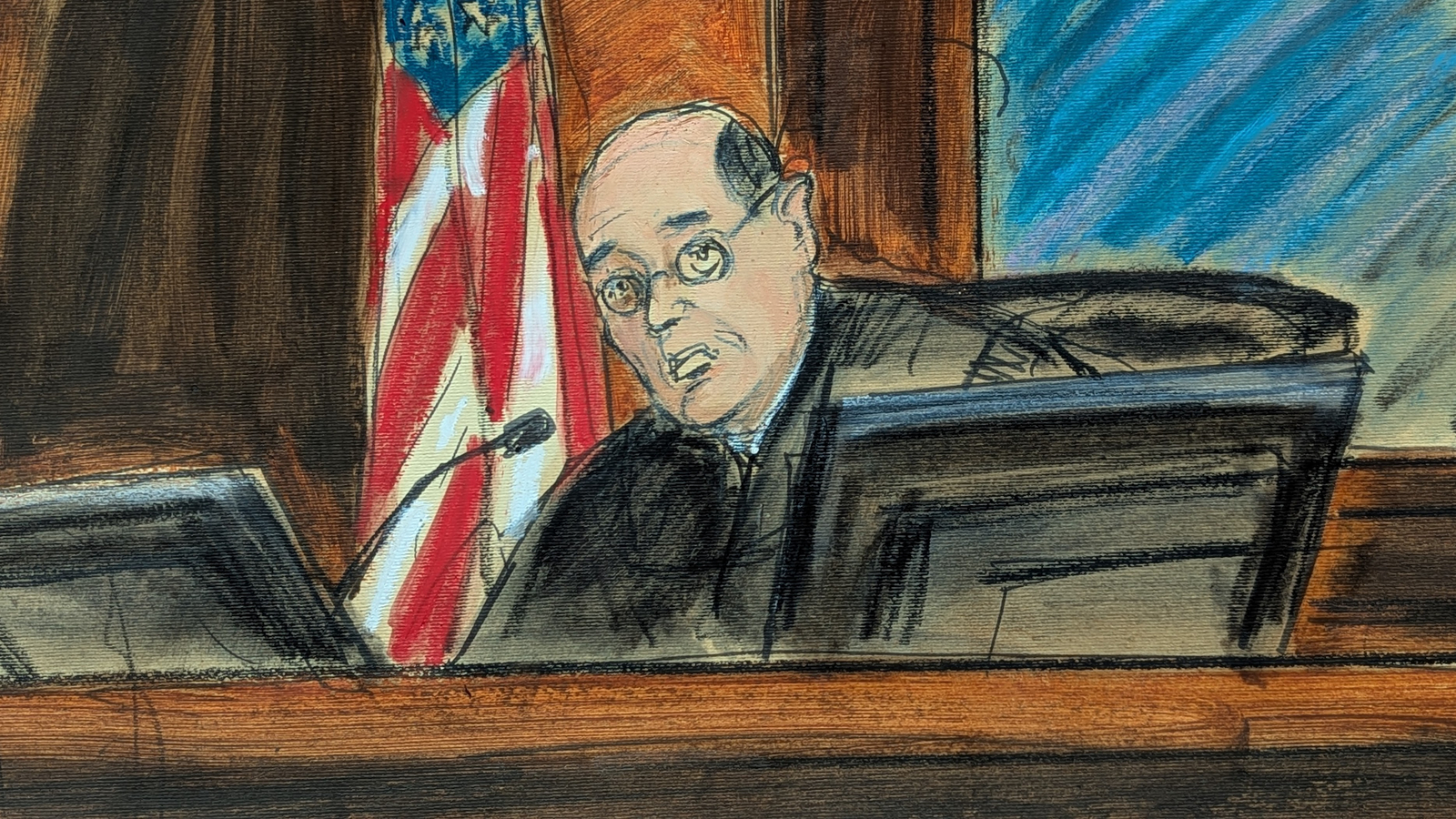
In March 2010, he rejected a settlement of at least $575 million as insufficient for thousands of workers who fell ill amid trade center toxic ash. Conversely, some observers were dismayed when he ended efforts in 2008 to force New York City to continue searching for human remains within debris transferred from ground zero to a Staten Island landfill.
Reassignment of Pending Cases and Court Uncertainty
Following Hellerstein’s passing, court spokesperson Edward Friedland announced that the Maduro prosecution and all other pending matters overseen by the judge will be randomly assigned to another federal judge. A successor has not yet been named.
The sudden judicial vacancy arrives at a sensitive procedural moment. The new judge will immediately face unresolved motions, including a defense request filed on September 2 seeking the dismissal of all charges against Maduro on sovereign immunity grounds, with a scheduled court audience previously set for November 17 ahead of the planned June 2027 trial.