Today I issued a challenge to every political party to back Auckland,
declared Auckland Mayor Wayne Brown as he released his 2026 election manifesto, according to OurAuckland. The document sets out demands for the incoming government, centered on local autonomy, infrastructure reform, and a direct message for central government politicians to stay out of local affairs.
The release of the manifesto follows what the mayor described as a gutsful
of having policies and costly projects imposed on the city, according to RNZ. Speaking to reporters, Brown crystallized his stance with blunt directives for Wellington politicians at the election, telling them to keep out of it
and sod off
. He argued that Auckland—representing 40 percent of the country’s population—operates essentially as a state government and should be granted the power to determine its own growth without interference from national political parties seeking re-election.
Mayor Demands Control of Motorways And Rail
At the core of the 2026 manifesto is a push to wrest control of Auckland’s motorways and rail network from central government, placing ultimate responsibility into a single agency under Auckland Council. Brown pointed to high-cost initiatives like a proposed 25-kilometre highway between Warkworth and Te Hana—estimated between $3.2 billion and $3.6 billion—criticising the project for offering a minimal travel-time saving of just seven minutes without proper local consultation, according to the NZ Herald.
The manifesto’s five primary transport and infrastructure expectations include:
- Shifting state highway and rail network control progressively to Auckland Council.
- Committing to funding new trains, station upgrades, and level crossing removals to maximize the value of the City Rail Link.
- Reviewing KiwiRail track access charges, which cost the council nearly $100 million annually.
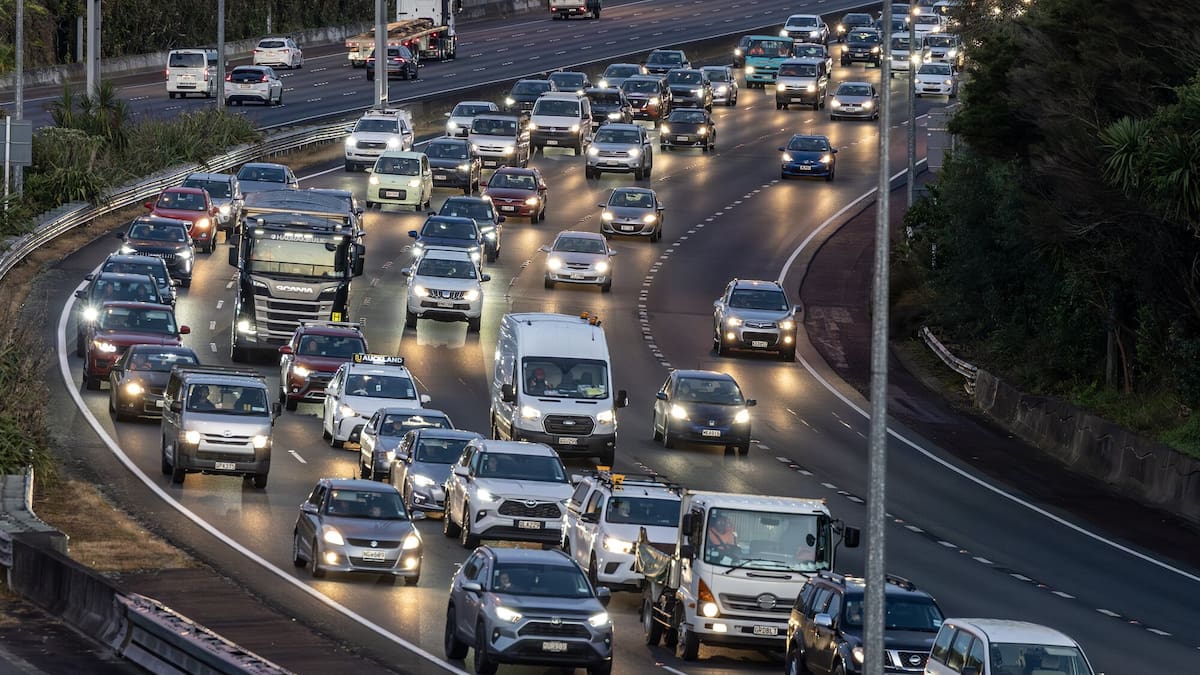
- Progressing a time-of-use charging scheme to tackle chronic congestion.
- Honouring, strengthening, and properly funding the Auckland Deal partnership framework between Auckland and Wellington.
Green Party Backs Manifesto Priorities
The manifesto also takes aim at spatial planning and housing density rules, with Brown criticizing central government intervention over the Auckland Unitary Plan and the Medium-Density Residential Standards. He asserted that development must pay for its own infrastructure, stating that if a development cannot cover the cost of roads, pipes, schools, and transport, it should not proceed. Additional proposals include a new primary school for Auckland’s city centre, removing greenfield housing developments from the fast-track system, and establishing a tourism funding charter.
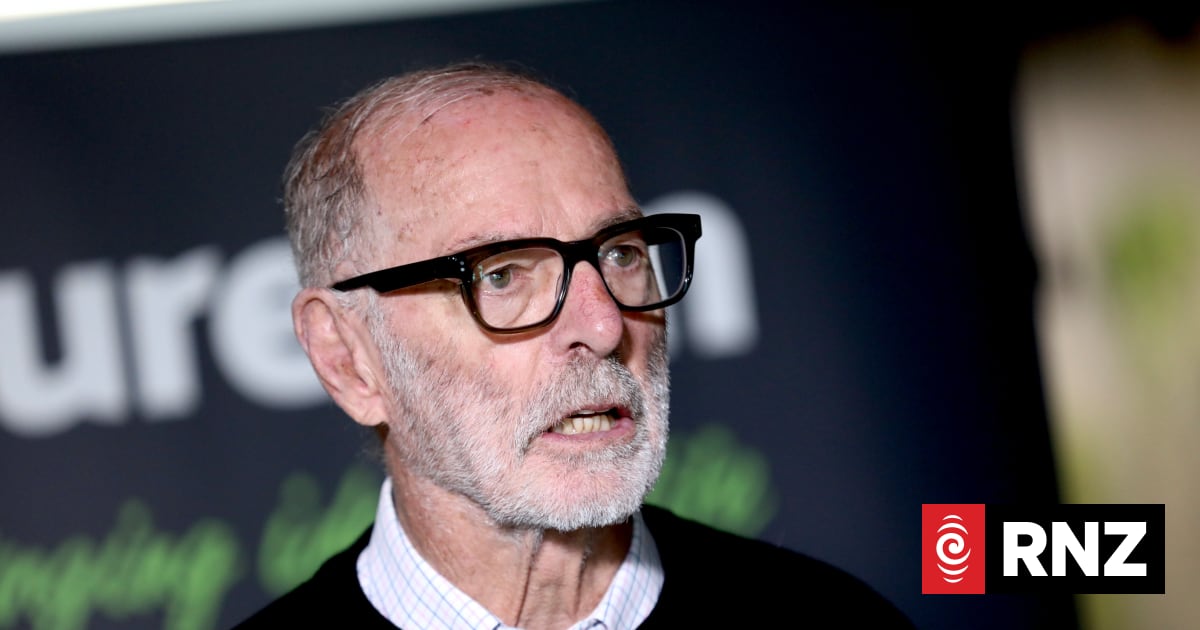
Reaction to the manifesto crossed political lines. The Green Party welcomed the publication, noting substantial alignment on key issues. Wayne and I agree on getting things done,
said Green Party Co-leader and Auckland Central MP Chlöe Swarbrick, according to Scoop.co.nz. Swarbrick criticized legacy parties and the coalition government for patronizing locally elected members, pointing to shared goals such as protecting the Hauraki Gulf, introducing a bed levy and short-term accommodation register, and fostering a respectful partnership on transport investment.