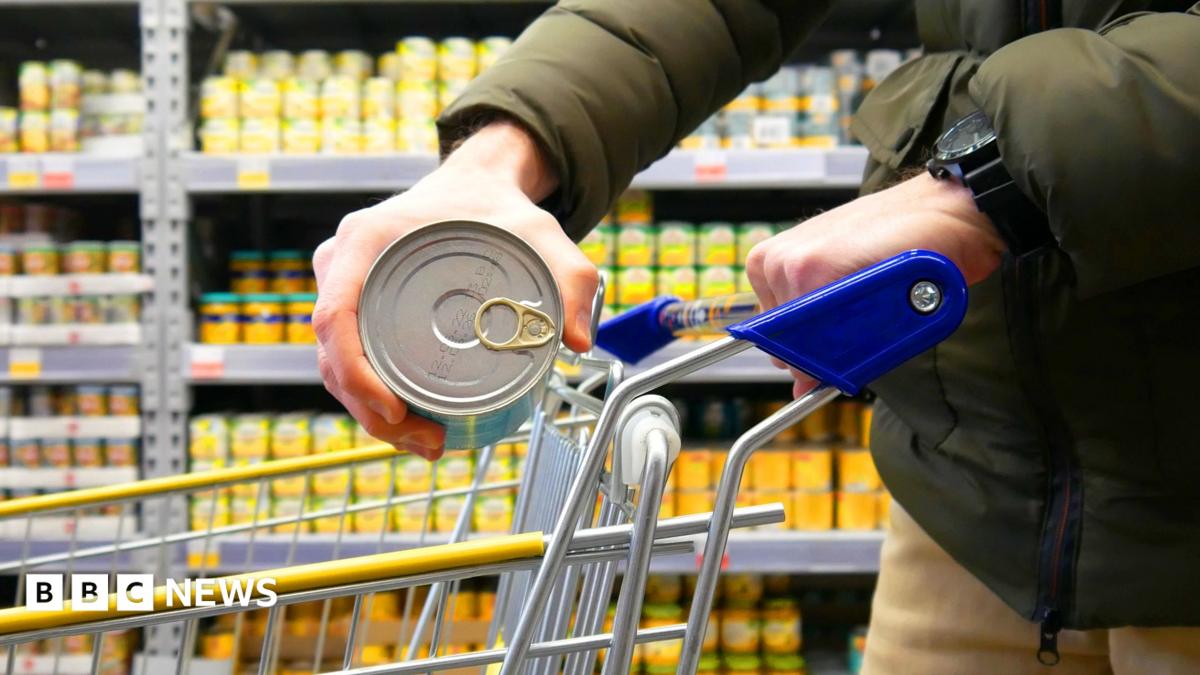
Sales of tinned food and bottled water surged across the UK following the launch of the government’s “Be Ready” emergency preparedness campaign on 22 October 2026.
Households stocked up on essentials after the government launched the public awareness drive to encourage preparation for potential disruptions from severe weather or cyberattacks. According to research from Worldpanel by Numerator, sales of hand sanitiser jumped 83 per cent, bottled water sales rose 67 per cent, and tinned and jarred goods climbed 37 per cent in the 10 days following the launch.
The Cabinet Office, which announced the campaign alongside Security Minister Dan Jarvis, stated that the advice represented the initial stage of a three-year campaign. The Cabinet Office also noted that much of the guidance had already been accessible since May 2024 and remained largely unchanged, with the previous “Prepare” website refreshed through updated branding and messaging.
Specialist retailers reported demand for survival and communication gadgets. Maplin stated that torch sales nearly quadrupled, while power banks and radios doubled in sales volume.
Ollie Marshall, the managing director of Maplin, noted the immediate public response to the guidance.

Within hours of the Be Ready announcement we saw people reach for the basics – a torch, a wind-up radio, a power bank.
Ollie Marshall, managing director of Maplin
Marshall added: These are simple, affordable products that keep a household connected and informed when the power goes out, and it’s encouraging to see people taking the advice seriously.
Market analysts note that the recent purchasing activity does not constitute panic buying. Worldpanel reported that less than a third of households purchased bottled water in October, with growth driven by shoppers adding recommended items to regular weekly shops rather than clearing shelves.
Shoppers clearly took notice of the ‘Be Ready’ campaign, but this wasn’t panic buying, with less than a third of households buying bottled water in October.
Fraser McKevitt, head of retail and consumer insight at Worldpanel by Numerator
McKevitt explained that the trend involved incremental purchasing rather than trolley hoarding.
Growth came from more people adding the recommended items on the government’s checklist to their weekly shop, not from shoppers piling their trolleys high, which is very much in line with what the government wanted households to do,
he said.
Financial metrics from the post-launch window highlight gains for specific product categories. Sales of tinned and jarred goods rose from £58.2m in the 10 days to 2 November 2025 to £79.5m over the same period in 2026. Bottled water sales jumped from £13.6m to £22.8m compared with a year earlier and hand sanitiser sales climbed from £497,000 to £908,000.
Major grocers maintained stable stock levels throughout the surge. Jim Bligh, food policy director at the British Retail Consortium, addressed market stability.
While some retailers have seen a small uptick in sales for some products, food availability remains strong and retailers remain well stocked with all essential products.
Jim Bligh, food policy director at the British Retail Consortium
Giuseppe Mastrolia, interim chief executive of Princes, stated that increased demand for tinned tuna, meat, and vegetables further reinforces the relevance of core categories in providing affordable, nutritious and convenient food solutions.