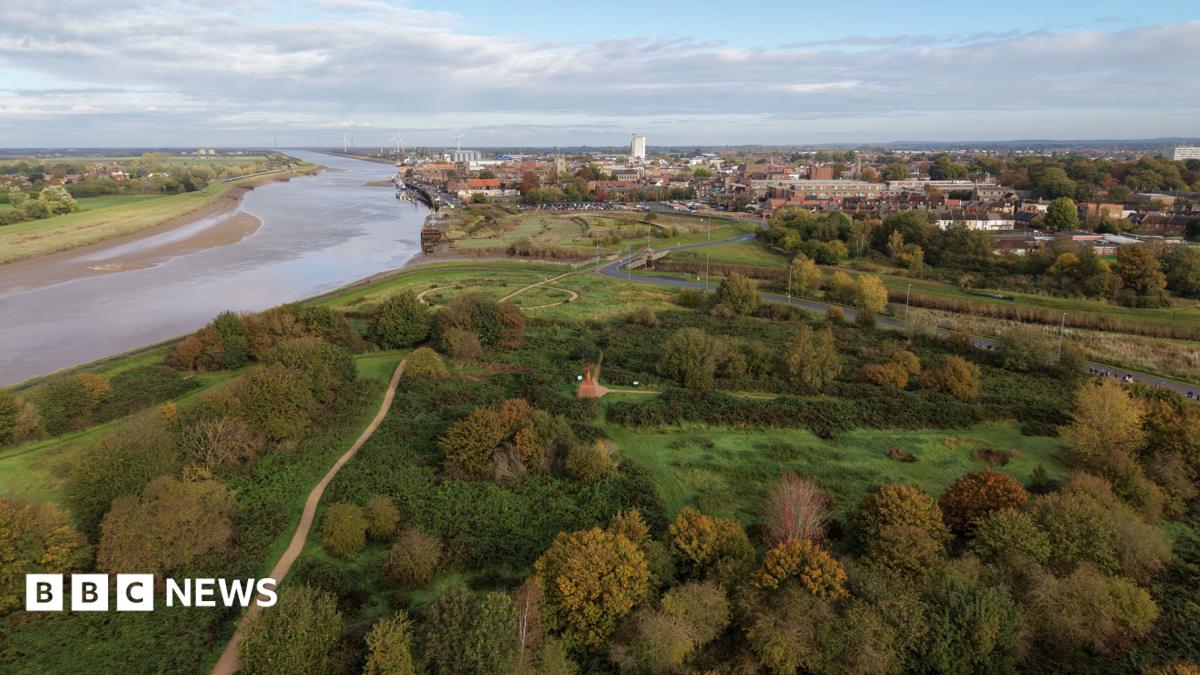
Campaigners secured village green status for Harding’s Pits in King’s Lynn on Tuesday, following a three-decade effort to protect the seven-acre riverside area from housing and supermarket developments. Norfolk County Council’s Planning Regulatory Committee approved the application after receiving backing from the borough council administration.
Thirty-Year Campaign Secures Protected Status for Harding’s Pits
Norfolk County Council’s Planning (Regulatory) Committee considered and approved an application granting the seven-acre parcel official village green status on Tuesday.
The designation marks the culmination of a 30-year effort by the Harding’s Pits Community Association Group. Before the council’s intervention, the land had faced commercial pressure, having been earmarked previously for both a housing development and a supermarket.
really great decision…
Rick Morrish, director of the Harding’s Pits Community Association Group
Morrish noted that the Harding’s Pits Association Group was formed in 2004, though the site’s history stretches back much further. Originally a 19th-century clay pit, the land later served as a landfill site, meaning rubbish remains buried beneath the surface. It was converted into a public leisure space in the early 1960s.
Local Authorities Back Protection After Decades of Conflict
Morrish credited the local authority’s current leadership for turning the tide, telling radio listeners that this year’s administration got right behind the cause to give more legal status to protect the site… we’re safeguarding it as a public open space.
Alexandra Kemp, an Independent councillor at the borough council, organized nine public events in support of preserving the nature space. Kemp pointed to a protracted local struggle that intensified in 2017 when residents mobilized to prevent the Borough Council of King’s Lynn and West Norfolk from routing traffic across Harding’s Way. Campaigners also fought off a separate proposal in July seeking to construct a new car park adjacent to the site.
Michael de Whalley, cabinet member for climate change and biodiversity on the borough council, described the designation as very welcome news for South Lynn and an important final step in a journey that the community has been pursuing for at least 30 years.
Wild Habitats and Community Assets Line the River Great Ouse
Situated alongside cut-through routes leading directly to the King’s Lynn town centre, the protected acreage functions as an active wildlife habitat and recreational zone. Visitors utilize the grounds for dog walking, foraging for blackberries, and commuting on foot.
Morrish noted that observers have cataloged a hundred species of birds on the grounds. The warm temperatures have also benefited three or four regular reptile residents, including a lot of lizards.
Over the decades, community-led additions have expanded the site’s footprint and cultural offerings. The area now features a whale sculpture, a new community orchid, and a national art project where artists established a dedicated circle of oak trees.