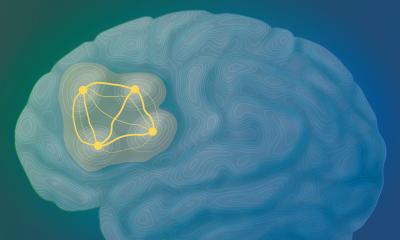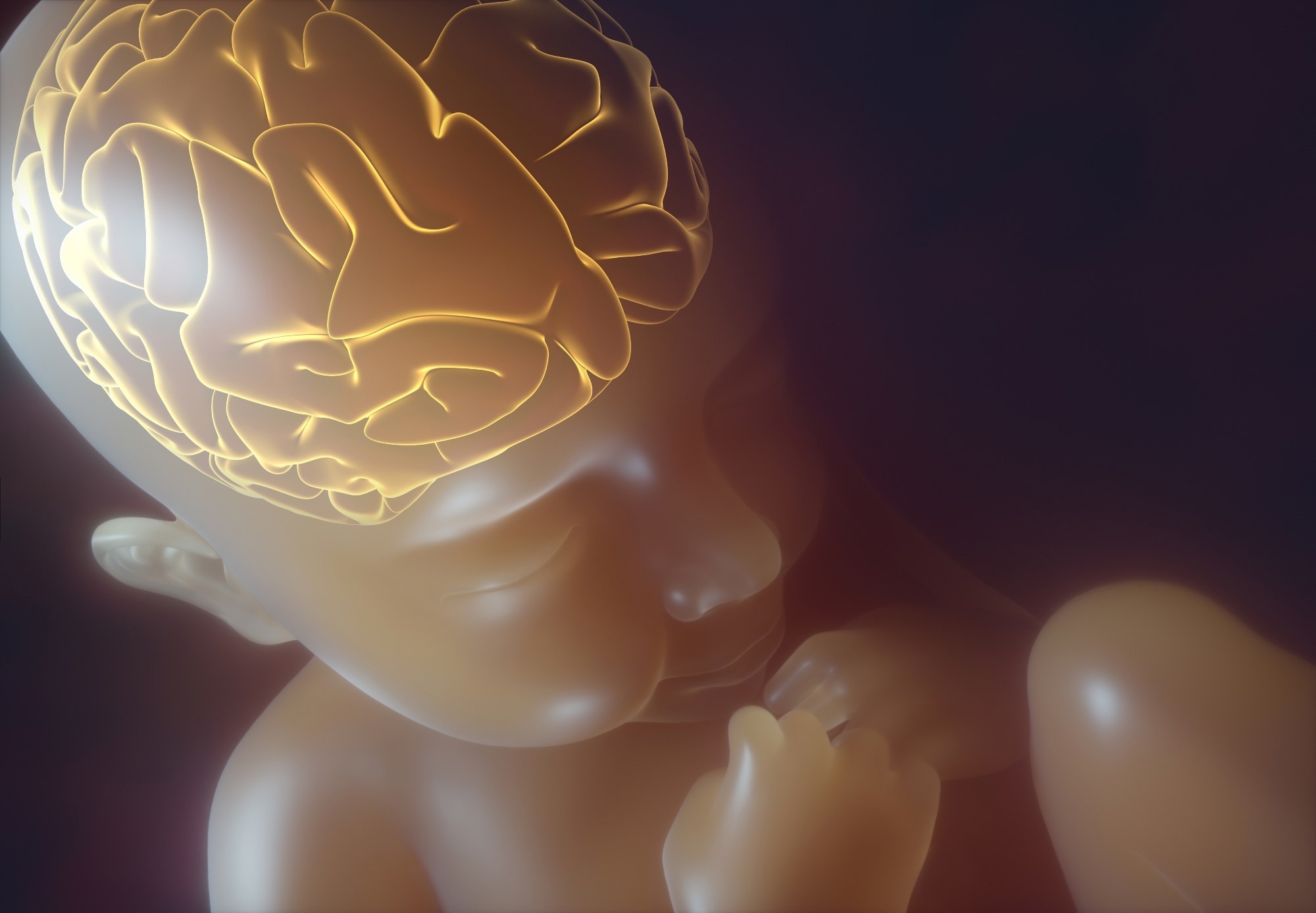
The Brain’s Hidden Quality Control: Why Fetal Neurons Vanish After Birth
For decades, neuroscientists have understood that the human brain undergoes a pruning process shortly after birth, a period where neural circuits are refined and solidified. Now, a study published in Nature reveals a biological reality: this developmental phase may serve as a critical quality-control mechanism to purge genetically abnormal neurons. Researchers found that while nearly one in three fetal cortical neurons carries genetic abnormalities, these cells are systematically eliminated as the brain matures.
The findings suggest that the developing human brain is selective. By analyzing postmortem brain tissue from 23 donors—ranging from 14 weeks of gestation to over 90 years of age—scientists identified a transition. Before birth, approximately 26% to 33% of cortical neurons harbor widespread copy number variants (CNVs), which involve the gain or loss of DNA segments. After birth, this proportion fell to around 6% to 7%.
The Mechanics of Genomic Selection
The research indicates that the reduction in genetically aberrant neurons occurs around birth, followed by a slower, steady decline throughout the remainder of an individual’s life. This suggests a two-phase selection process. The first phase is a reduction of cells with widespread CNVs, while the second is a more gradual removal of neurons carrying smaller genomic alterations.
The study points to synaptic dysfunction as a potential driver for this elimination. In postnatal brains, neurons that still carried these CNVs showed reduced activity in gene networks involved in synaptic function. These cells often displayed molecular signatures associated with apoptosis and autophagy, processes involved in cell death and cellular recycling.
“The findings suggest that the developing brain may selectively eliminate neurons with extensive DNA alterations, potentially through processes involving synaptic dysfunction and programmed cell death.”
Why This Matters for Neurodevelopment
The implications of this “purifying selection” are significant for our understanding of neurodevelopmental conditions. Conditions such as autism, schizophrenia, epilepsy, and intellectual disability have been linked to genetic mutations and CNVs that impact genes related to the brain. If the brain’s natural quality-control mechanism is disrupted by genetic or environmental factors, these abnormal neurons may persist and potentially affect brain development.
Scientists discovered genomic coldspots—areas where CNVs rarely occur—that contained a high concentration of genes linked to neurodevelopment, including those associated with postsynaptic functions and autism. This pattern is consistent with purifying selection, in which cells carrying potentially harmful genetic alterations are less likely to survive.
The Limits of Our Current Understanding
While the data provides a look at how the brain shapes itself, questions remain. The researchers did not have access to third-trimester brain tissue, which leaves a gap in understanding when these changes first emerge. Because the study relied on comparing tissue from different donors rather than tracking neurons over time, the mechanisms of how these cells are eliminated are still under study.
The team noted that their genomic analyses had limited sensitivity for detecting smaller CNVs. As we look toward future research, the focus will likely shift to whether these selection processes contribute to neurodegeneration in later life, when other forms of somatic mutation accumulate. For now, the study provides evidence that the genomic composition of the human cerebral cortex changes substantially around birth.