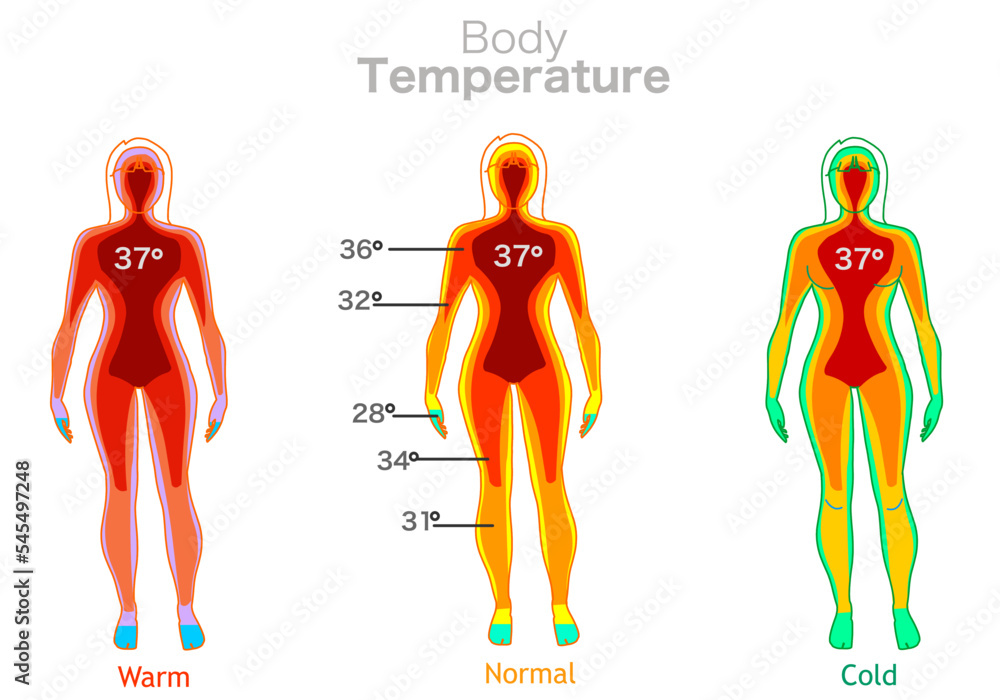
Human body temperature has drifted downward over the past 150 years, moving below the traditional benchmark of 37 °C, according to a report from the BBC.
Carl Wunderlich Established the 37 °C Clinical Benchmark
The standard benchmark of 37 °C originated in the nineteenth century from German physician Carl Wunderlich. Over a 15-year period, Wunderlich gathered over a million measurements from 25,000 patients to establish what became the foundation for modern clinical norms.
The analysis revealed a steady downward trend in body temperature over time.
Among men, average body temperature dropped by roughly 0.59 °C compared to nineteenth-century levels. Researcher Julie Parsonnet noted that the average temperature for a modern adult sits closer to 36.39 °C.
Improved Public Health and Climate Control Drive Temperature Shifts
Scientists point to improved public health as a primary driver behind the shift. Past populations battled chronic infections such as tuberculosis and dysentery on a regular basis, forcing the immune system to expend continuous energy that drove up body temperatures. Advances in medicine, vaccination, and better sanitation all contributed to reducing that baseline inflammatory burden.
The widespread adoption of indoor heating and air conditioning also plays a role. Climate-controlled living spaces mean the human body no longer expends as much energy to maintain internal warmth.
Similar patterns appear outside industrialized nations. Among the Tsimane, an indigenous population in the Amazon, average body temperature dropped from approximately 37 °C to 36.5 °C over a two-decade span.
Measurement Errors and Modern Datasets Challenge Temperature Baselines
Not all experts agree that the human body has literally grown cooler. Medical historian Philip Mackowiak suggests that part of the variance stems from the inaccuracy of old thermometers, noting that one of Wunderlich’s original devices read roughly 2 °C higher than modern equipment.
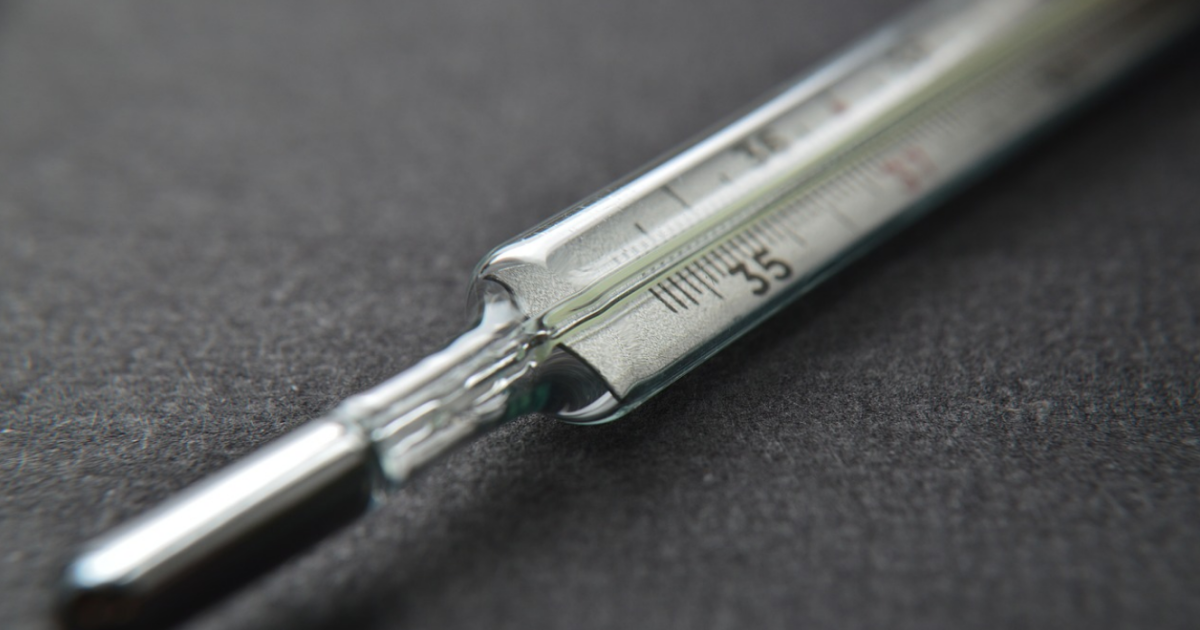
However, Parsonnet’s team observed parallel temperature drops within newer datasets, indicating that measurement error alone cannot account for the trend.
Contemporary medical guides are beginning to reflect these findings by moving away from a rigid reliance on 37 °C. Specialists emphasize that individual body temperature fluctuates according to age, sex, time of day, and personal physiology.
Older adults generally exhibit lower temperatures than younger individuals, while women tend to register slightly higher readings than men. Readings also follow a daily cycle, hitting their lowest points in the early morning and peaking toward evening.