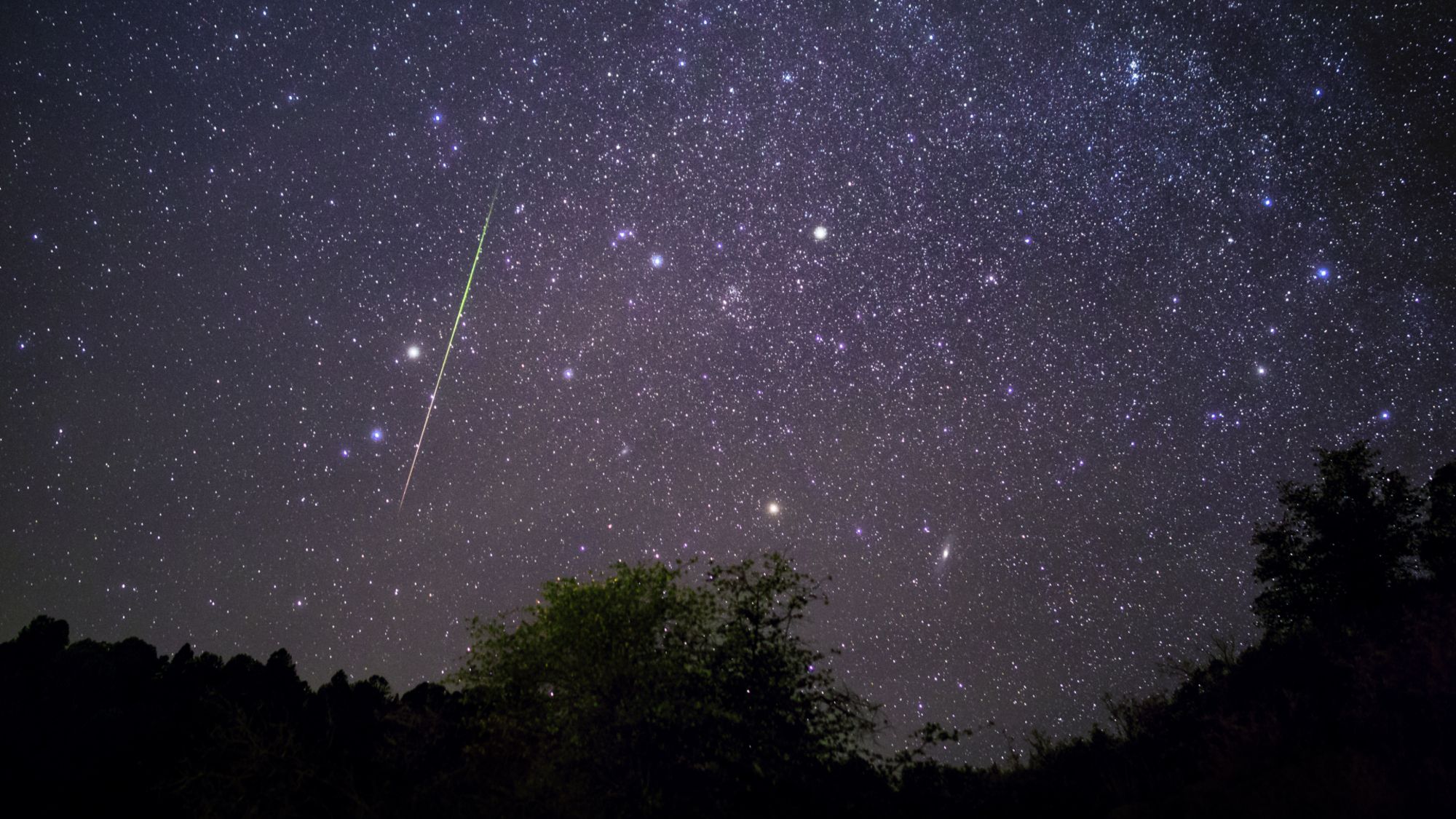
Skywatchers captured 87 meteors during the annual Leonid meteor shower as Earth passed through debris from Comet 55P/Tempel-Tuttle.
Four cameras at a rooftop observation station in Shaikpet recorded 87 meteors from the display during the night of November 17 and the early hours of November 18. Every November, the planet moves through particle streams shed by Comet 55P/Tempel-Tuttle, generating this prominent annual shower renowned for producing some of the fastest-moving shooting stars observed throughout the calendar year.
The International Meteor Organisation estimated that up to 15 meteors could appear per hour under perfect dark sky conditions during the peak. NASA, meanwhile, has given a more conservative rate of less than three meteors per hour.
During the peak night, both Jupiter and Mars sat separated by just a few degrees within the constellation Leo, aiding observers in locating the region. Astrophotographers seeking shorter trails positioned their gaze a short distance away from the radiant rather than directly at it, allowing their eyes 20 to 30 minutes to fully adjust to the dark.

Beyond standard shooting stars, the shower frequently produces bright fireballs and long-lasting Earth-grazing meteors that strike the atmosphere at oblique angles to leave extended trains. While this year brought typical annual activity, astronomers look ahead to denser debris trails from the parent comet, which orbits the sun approximately every 33 years.
According to the Planetary Society, another Leonid meteor storm could occur as early as 2031, while a study released in August 2026 predicts potentially spectacular displays in 2033 and 2034.