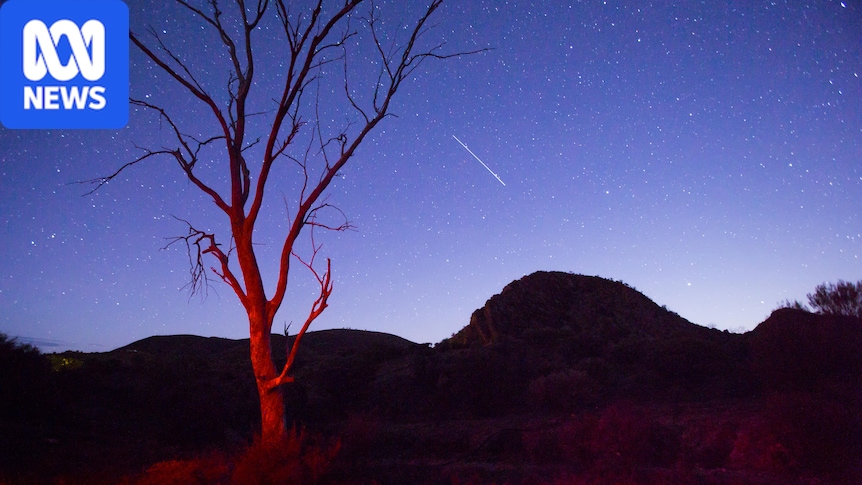
The Orionid meteor shower peaks overnight October 21-22, 2026. Observers under dark skies may see 10 to 20 meteors per hour as Earth passes through debris from Halley’s Comet, though a waxing gibbous moon will obscure visibility until the early morning hours.
The Orionids are a direct encounter with the remnants of Halley’s Comet. Earth passes through the densest part of the comet’s debris trail. These particles collide with the atmosphere at 147,600 miles per hour. This creates the bright streaks known as shooting stars
.
Find the Best Viewing Windows for October 21-22
A waxing gibbous moon will wash out fainter meteors for much of the night. Live Science reports the moon is 71% illuminated, while Space reports 74%. The optimal viewing window opens only after the moon sets. This leaves a period of darkness before dawn.
- Australia: Dr Musgrave suggests getting out between 4 a.m. and 5 a.m. on Wednesday, Thursday, and Friday. He notes that a meteor may appear every 4 to 5 minutes under dark skies.
- New Zealand: Stardome astronomer Josh Aoraki identifies the best window from 3 a.m. until sunrise.
- United States: Viewing is best between midnight and 5 a.m., specifically in the hours before dawn on October 22.
Locate the Radiant Point in the Night Sky
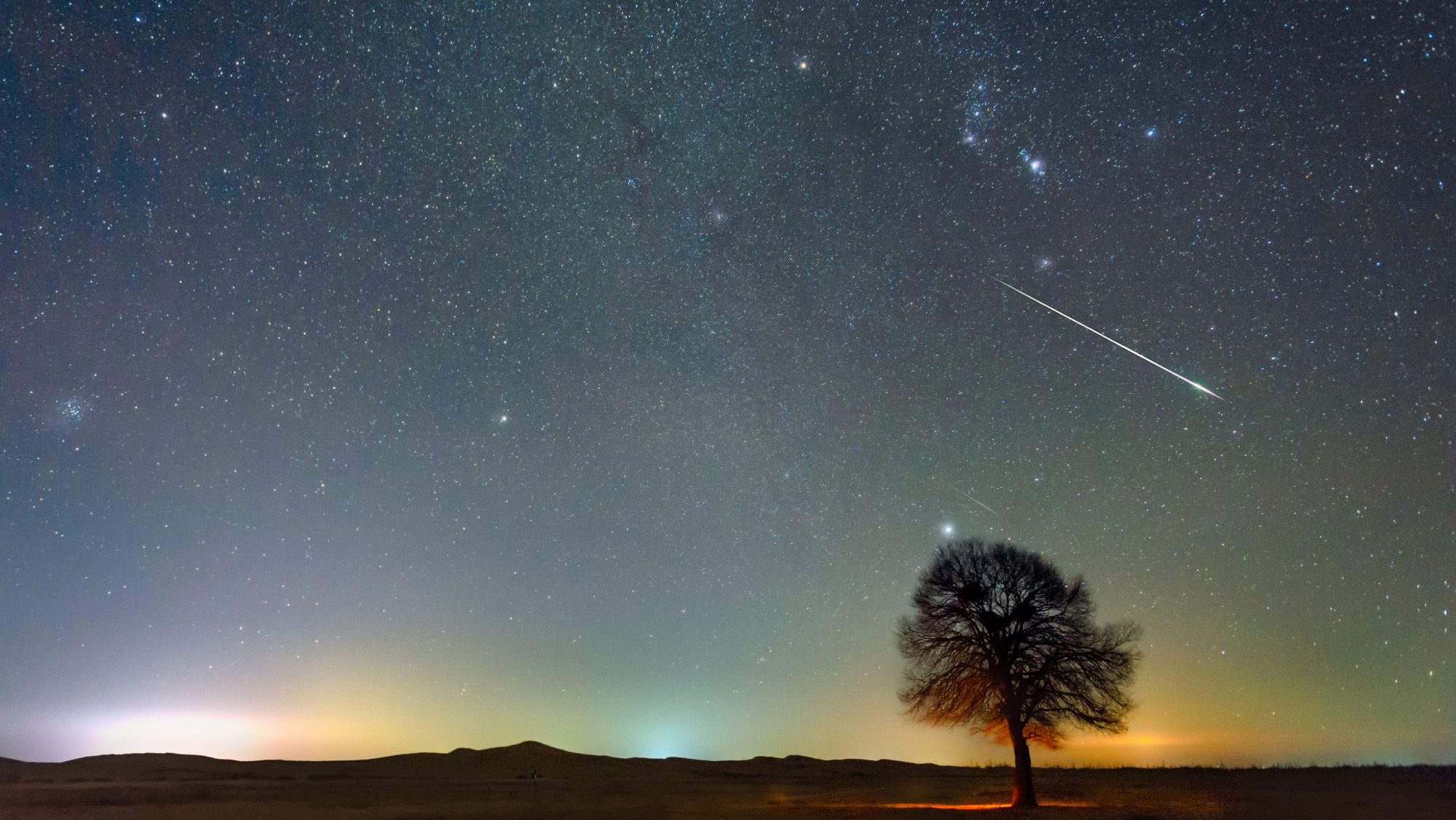
The radiant point is located near the red supergiant star Betelgeuse. For U.S. observers, this area glistens above the southeastern horizon in the early hours of October 22. The shower takes its name from the constellation Orion.
Do not stare directly at Orion. Space suggests looking 40 to 90 degrees away from the radiant to see the longest glowing trains. NASA notes that while they originate in Orion, these meteors are visible across the entire night sky.
High Speeds Create Persistent Trails
The Orionids strike the atmosphere at approximately 66 kilometers per second. This velocity often produces fireballs and persistent trains
. These are glowing trails that remain visible after the meteor itself has vanished.
That’s the very best about meteor showers. You really just need a dark sky and your eyes.
Josh Aoraki, Stardome astronomer
The Orionids and the Eta Aquarids in April and May are the two annual reminders of Halley’s Comet. Horner notes the Orionids can be thought of as a warm-up act for the Geminid meteor shower.
Weather Impacts Visibility
A nor’easter could bring cloud cover from New York City to parts of New England. Weather.com reports on these conditions. Time Out reports a bleak outlook of strong winds and rain in the UK.
| Region | Recommended Viewing Locations |
|---|---|
| Arab Countries | Desert and open locations far from lighting, open desert, rural and mountainous areas |
| Middle Tennessee | Rural areas of Middle Tennessee and Southern Kentucky |
| Australia | Dark sky sites away from inner-city light pollution |
Halley’s Comet Awaits 2061 Return
The comet itself is currently beyond the orbit of Neptune. It last passed through the inner solar system in 1986 and is expected to return in 2061.
The Southern Taurids are expected to peak on November 5 with more favorable lunar conditions. Looking further ahead, the Geminid meteor shower in mid-December is described by Horner as a better bet
for those seeking a guaranteed show.