SpaceX is preparing to launch its 14th Starship test flight on September 28, 2026, from South Texas, aiming to send the megarocket into orbit for the first time. The uncrewed mission will last nearly 10 hours, complete about six orbits, and deploy 26 Starlink V3 satellites.
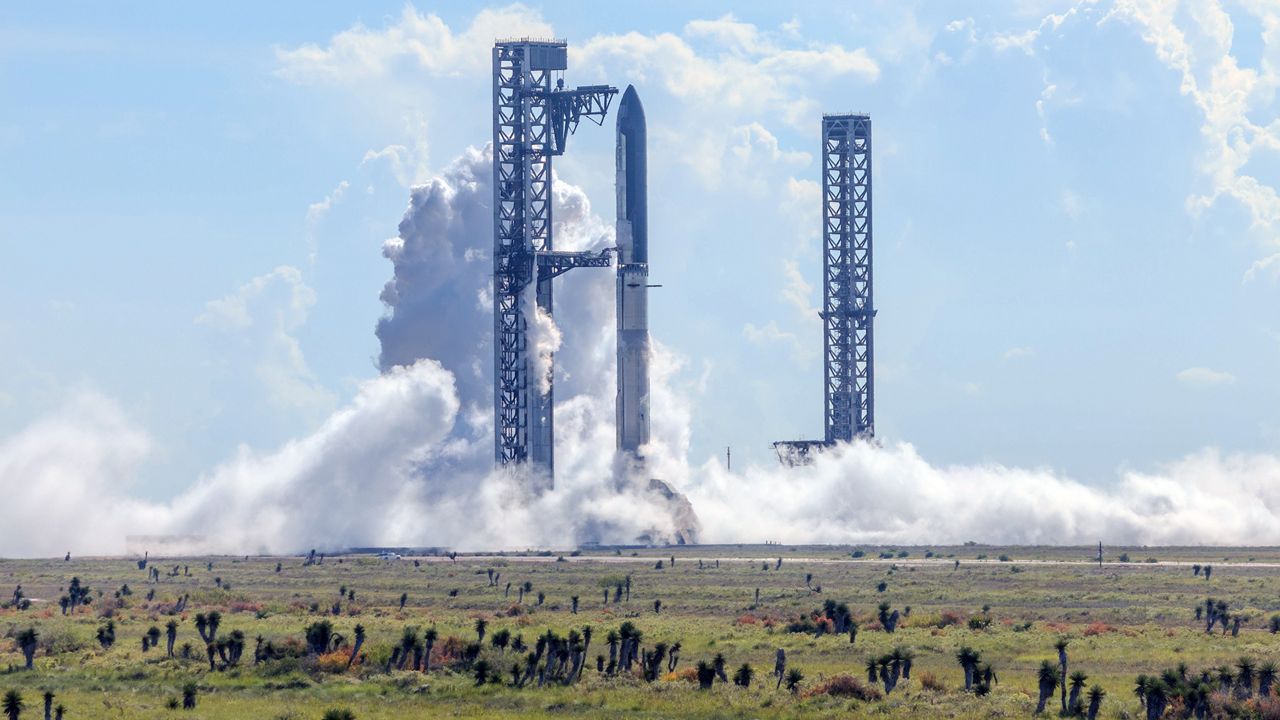
SpaceX has built the world’s largest rocket with its Starship system, and the company is now attempting to put that giant vehicle in orbit for the first time during Flight 14. Liftoff is scheduled from the company’s Starbase proving ground in Boca Chica, Texas, with a 75-minute launch window opening at 8:15 a.m. EDT on Monday, September 28, 2026. The mission follows the success of Starship Flight 13 in July, which achieved the softest upper-stage landing in the program’s history. Originally, the flight was set for Tuesday, Sept. 22. Yet, an update posted to the firm’s website indicated that the liftoff would occur as early as Sept. 28, pending regulatory approval, and no reason was given for the launch date change.
Flight Profile, Duration, and Orbital Objectives
Past test missions have generally followed suborbital paths lasting around one hour that reached altitudes between 50 and 70 miles (80 to 110 km) before descending without completing a full circuit, whereas this upcoming trial will persist for nearly 10 hours. The nearly 10-hour flight test will take the uncrewed 407-foot (124 meters) vehicle about 171 miles (275 kilometers) above Earth’s surface. Operating at a velocity of roughly 17,400mph/ 28,000 kph, the vehicle intends to execute about six orbits so that it can sustain a path between 100 and 250 miles (160 to 400 kilometers) above the planet prior to its descent back to Earth.
The first orbital insertion maneuver, using controlled engine burns to establish the correct path and velocity. The deployment of 26 Starlink V3 satellites into low-Earth orbit, adding a total of 26 Terabits per second (Tbps) of capacity on this mission alone, with each satellite adding 1 Tbps of capacity to the constellation. A specialized evaluation of the thermal protection system was also included, featuring three satellites outfitted with camera arrays designed to monitor Starship’s heatshield and relay visual data to operators to advance testing methodologies for evaluating heatshield readiness during return-to-launch-site operations on subsequent flights. The first test flight of two reflown heatshield tiles recovered from Ship 40 on Ship 41.
Booster Operations and Heatshield Upgrades
The sequence of operations for the Super Heavy rocket booster during this flight comprises Launch, Ascent, Stage separation from the upper stage, A boostback burn, and A landing burn in the Gulf. Meanwhile, upper-stage improvements stem directly from data gathered during the previous flight. Because Starship Flight 13 was a water landing in the Indian Ocean and floated for weeks, allowing SpaceX to recover it from the sea for study at Starbase.

SpaceX incorporated additional retention mechanisms on tiles in high-risk ascent areas, addressed potential flow paths for plasma behind tiles, and flew curved tile designs meant to reduce heating in gaps. The enterprise noted that successfully reaching orbit marks the kickoff of the next chapter in advancing Starship toward complete and rapid reusability.
Implications for NASA Artemis Moon Missions
Achieving a successful orbital flight is a necessary milestone if SpaceX is to fulfill its contract with NASA. A triumphant outcome will mark the initial instance of a Starship entering Earth orbit and represent the longest distance the massive rocket has ever traveled. Starship is slated for deployment in NASA’s Artemis lunar exploration initiatives, specifically earmarked for the Artemis III orbital mission where astronauts plan to dock the Orion space capsule with Starship and Blue Origin’s Blue Moon spacecraft.
If the orbital test of the Starship 14 mission goes well, the Starship 15 launch could happen in Florida.
Viewing Options and Launch Logistics
SpaceX will stream the launch live via its X account and the official mission page starting roughly 30 minutes before liftoff, with the official livestream beginning about 30 minutes before liftoff at about 7:45 a.m. EDT (1145 GMT). For spectators gathering near Starbase in South Texas, recommended viewing areas include the rocky beach near the Cameron County Amphitheater at Isla Blanca Park on South Padre Island, local establishments like Hopper Haus in Port Isabel, and designated pull-up spots along stretches of Highway 48 between Brownsville and Port Isabel.